

Have you ever thought a small upgrade could cut your bills? Smart devices learn your habits and adjust energy use on the fly. They work in sync to trim waste with little changes that add up to real savings. In this guide, we walk you through how smart thermostats and lighting lower your power bill. We share hands-on tips to turn everyday actions into choices that help your wallet.
How Smart Appliances Reduce Household Costs
Smart home systems can trim waste and lower your bills. They watch how you use energy and adjust settings in real time. For example, many homes now use learning thermostats that change heating and cooling based on room activity. Since heating and cooling can account for up to 55% of your energy use, even small tweaks can lead to noticeable savings. One user even saved money by letting the thermostat lower the heat when no one was home.
When your appliances work together, you might save between 20% and 35% on energy use, this can mean reducing your annual bills by about £200 to £600. But smart devices do more than just manage temperatures. They also provide tips on cutting waste. Lighting, which makes up roughly 5% of energy use, benefits from smart controls and motion sensors, further trimming power use.
Standby energy, sometimes known as vampire load, can add another 5% to 10% to your bills, about £100 each year. Smart plugs and power management tools help by ensuring that devices only use power when needed. For instance, one homeowner saved money by scheduling off-times for gadgets that are rarely used.
The key is constant adjustment. Smart thermostats learn your routine and tweak settings automatically. Intelligent lighting turns on only when you need it, and smart plugs cut off power from hidden drains. Together, they form a team that cuts overall energy use, turning everyday changes into lasting savings on your utility bills.
Smart Appliance Energy Savings Breakdown by Device
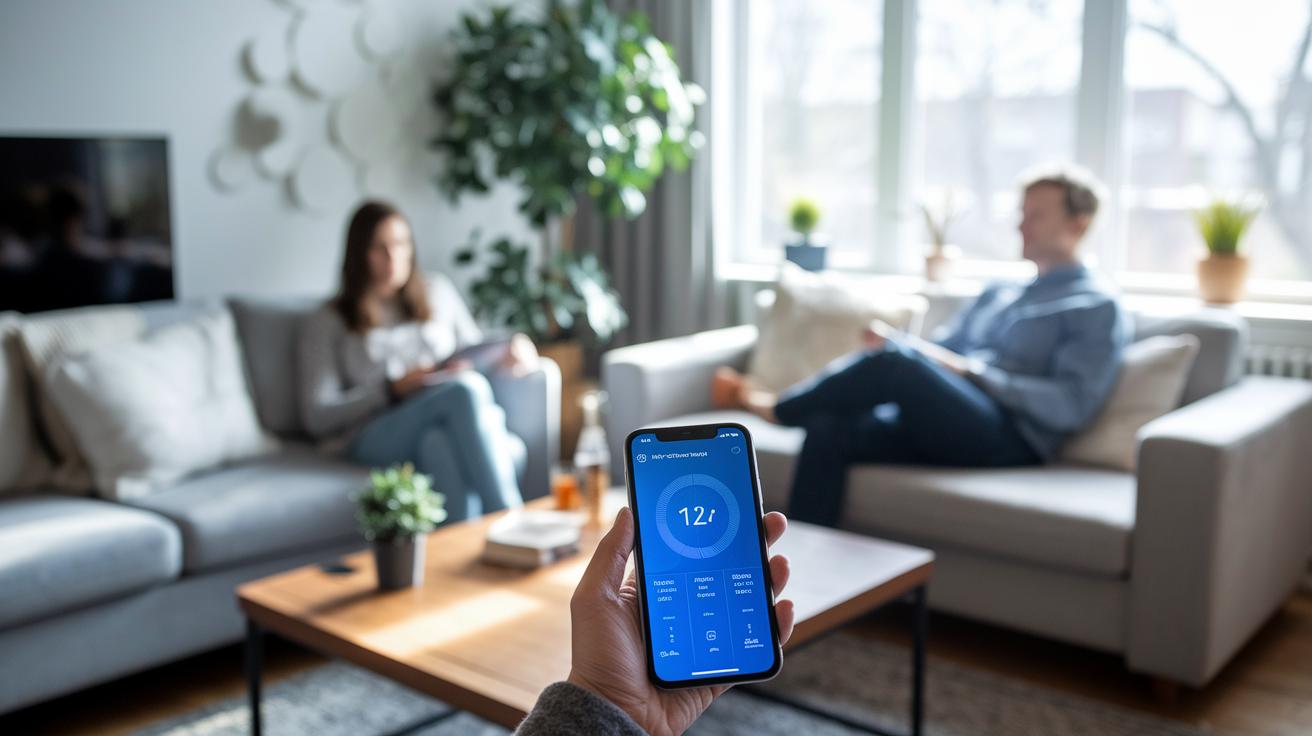
Smart thermostats learn your daily routine to help cut heating and cooling costs. They cost around £100 for basic models and up to £350 for units loaded with extra sensors. Our tests suggest these gadgets might reduce your bills by as much as 30%. Picture your thermostat getting ready to warm your home right before you wake up.
Smart lighting uses LED bulbs and built-in motion sensors to light a room only when someone is there. Even though lighting makes up about 5% of your energy bill, smart controls can trim that cost by 10-15%. Imagine the lights dimming when the sun brightens your room. It’s a small change that leads to real savings.
Smart plugs and power strips cut out wasted energy from devices that draw power even when turned off. They effectively shut off gadgets that quietly use energy in standby mode. This simple trick can save you up to £100 each year.
When you combine these devices under a full energy management system, they work together smoothly. This setup keeps an eye on your energy use and syncs everything, from thermostats to lights and plugs, to trim overall costs by 20% to 35%.
| Device | Upfront Cost Range (£) | Estimated Annual Savings (£) | Typical Payback Period (years) |
|---|---|---|---|
| Smart Thermostat | 100-350 | 150 | 2-3 |
| Intelligent Lighting | 50-200 | 25 | 2-4 |
| Smart Plugs | 15-30 | 50 | 1-2 |
| Integrated Energy System | 500-1500 | 300 | 3-5 |
This table shows each device side by side, making it easy to compare costs, savings, and payback times. It helps you choose the upgrades that best fit your plan to cut energy use while saving money.
Assessing ROI with Cost-Benefit Analysis for Smart Upgrades
When you invest in smart upgrades, the key is to see how long it takes for the savings to cover your cost. We do this by comparing what you save each year to the price you pay upfront. For example, if a smart appliance saves you £300 per year and costs £900, it pays for itself in 3 years (since 900 divided by 300 equals 3).
Take smart thermostats, for example. They usually run about £150, and they can save you around £50 every year. That means you'll get your money back in roughly 3 years. On top of that, many energy providers offer discounts, often between 20% and 50%. If you secure a £50 discount, it makes the investment even more attractive.
Remember to look at the whole picture when you check the costs. Many smart devices last between 5 and 10 years. You might also have extra costs like maintenance or subscription fees, which can range from £20 to £50 per year. Although these extra fees may slightly extend the time it takes to recoup your investment, the ongoing savings can still make it a worthwhile upgrade.
In short, by pairing ROI calculations with lifecycle cost assessments, you get a complete view of the total cost of ownership. For example, if a bundled system costs £1,000 and saves you £200 per year, you would expect to break even in about 5 years. This clear look at the numbers can help you decide if a smart upgrade is right for you.
2 smart appliance cost savings guide: Save More

Start with affordable devices that can lower your energy bills from day one. Using smart plugs and sensors gives you instant feedback on your energy use and helps cut power wasted on standby. Next, set up your devices on automatic schedules that match your daily routine so they only run when needed.
Here’s a simple checklist to boost your savings:
| Step | Action |
|---|---|
| 1 | Use smart plugs to reduce standby power |
| 2 | Install a learning thermostat and set schedules based on occupancy |
| 3 | Set up sensors for room-by-room lighting control |
| 4 | Create device scenes for off-peak times and vacations |
| 5 | Check your usage data on the app every week |
| 6 | Add central energy management once you have the basics in place |
Each step builds on the last. For example, a learning thermostat kicks in heating or cooling just before you need it, saving energy when you aren’t home. Regularly reviewing your energy data can help you quickly spot and fix any unexpected spikes. By following these tips, you'll create a plan that grows with your habits, making your home feel smart while saving energy and money.
Budgeting and Purchase Strategies for Smart Appliance Investments
When you plan to upgrade your smart appliances, choose items that quickly pay for themselves. Stick with extra devices like smart bulbs, smart plugs, and mid-range thermostats. Smart bulbs cost about £10 to £20 each, while smart plugs run around £15 to £30. A mid-range thermostat usually costs near £150. These add-ons help save money without forcing you to replace your main appliances.
Timing matters. Look out for bulk or bundle deals. Energy companies sometimes offer discounts that lower upfront prices by 20 to 30%. We recommend checking prices online and in local stores to compare. A little research can turn into bigger savings overall.
Try this step-by-step plan: start with a few smart plugs and bulbs to see immediate benefits. If the early results are good, then consider expanding your setup. The idea is to lower waste and cut your utility bills. For example, if a smart plug reduces standby power costs each year, the savings pay for the device quickly. Keep an eye on seasonal deals or exclusive discounts to make the most of your budget.
Maintenance, Service Costs, and Long-Term Sustainability
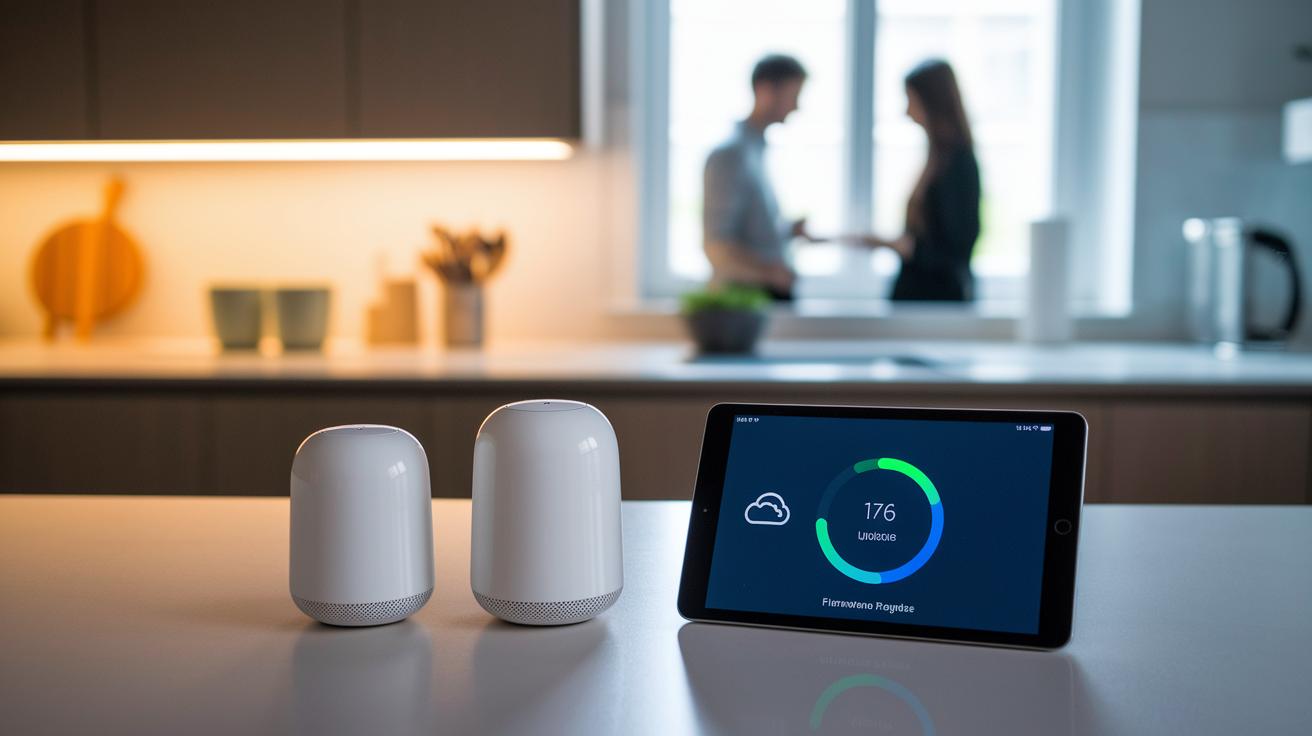
Firmware updates and sensor checks help smart devices run well over time. A planned firmware update can fix small bugs before they turn into big problems. Regular sensor tests keep everything accurate and help your device last longer.
Service plans and cloud subscriptions can cost an extra £20 to £50 each year. They cover remote monitoring and help fix issues early so you avoid higher repair bills later. Standard warranties usually last only 1 to 2 years. Adding an extended warranty or trading in your device can help save money over time. One user said, "I once upgraded my thermostat's warranty, and it paid for itself after a couple of sensor replacements."
Choosing tech made with recyclable materials lowers your environmental impact. Often, these products receive better long-term support from the makers.
| Maintenance Task | Cost Impact (£ per year) | Notes |
|---|---|---|
| Firmware updates | 0 | Usually free via manufacturer |
| Sensor calibration | Varies | Done as needed |
| Service plans | 20-50 | Subscription-based |
| Extended warranty | Cost dependent | Extra purchase option |
Considering these maintenance costs as part of your overall budget helps you manage your smart appliances in a sustainable and cost-effective way.
Final Words
In the action, we showed how smart appliances cut household costs. We kicked off with a breakdown of energy use and savings by device. Next, we explained ROI numbers and practical purchase strategies. We also offered six clear steps to set up your smart home system. Finally, we discussed budgeting for upgrades and long-term maintenance. This smart appliance cost savings guide gives you the facts to make smart investments that trim your bills and boost efficiency. Small changes today can lead to significant savings tomorrow.
FAQ
What is the Whirlpool smart appliance cost savings guide?
The Whirlpool smart appliance cost savings guide explains how smart devices cut energy bills by using automation and efficient operation. It details savings on energy use when paired with Whirlpool systems.
How do I lookup an energy guide label?
The energy guide label lookup tool provides free access to estimated energy consumption figures for appliances. It helps you compare models based on annual operating cost and energy efficiency.
What does the energy guide label indicate for air conditioners?
The energy guide label on air conditioners shows expected yearly energy use and cost. This information helps you select models that run efficiently and manage energy bills better.
What information does the energy guide label provide for refrigerators?
The energy guide label on refrigerators reveals estimated annual energy usage and operating cost. It lets consumers compare product efficiency and choose models that help reduce long-term energy expenses.
What qualifies as a smart appliance?
A smart appliance is a connected device that uses sensors and automation to adjust energy use. Examples include smart thermostats, plugs, and lighting that work together to optimize efficiency and lower bills.
How do Energy STAR appliances compare to regular ones?
Energy STAR appliances meet strict efficiency standards, using less power than regular models. This stricter standard means lower energy consumption and savings on monthly utility costs.
What does the Energy Guide label for washers and dryers show?
The Energy Guide label for washers and dryers displays estimated yearly energy use and cost. This feature helps you compare different models and choose those that offer better efficiency.
What is the 50/50 rule for appliances?
The 50/50 rule for appliances suggests that half the energy use comes from their primary function while the rest covers standby or auxiliary power, emphasizing the need to reduce idle energy consumption.
What appliances run your electric bill up the most?
Major energy consumers like heating and cooling systems mainly drive up electric bills. Additionally, older models or devices with high standby power use can further increase energy costs.
How does Mysa save money on energy bills?
Mysa saves money by using smart controls that optimize heating and cooling based on when rooms are occupied. Its adjustments help reduce energy waste and lower annual energy bills significantly.
Which appliances qualify for the IRS energy tax credit?
Generally, energy-efficient appliances that meet specific efficiency standards—such as many Energy STAR products and some smart systems—qualify for the IRS energy tax credit, subject to current eligibility rules.