

Can a smart oven beat your old stove? We break down the facts without the hype. Smart ovens adjust settings on their own and can help you save energy, but they cost more. A traditional stove keeps things simple with manual controls that many still trust. We looked at price, energy use, and ease-of-use to help you decide which one fits your kitchen best. Read on to find the option that suits your style and needs.
Key Differences in Comparing Smart Appliances vs Traditional Appliances
Smart appliances pack modern features. They connect to the internet (known as IoT connectivity) and use AI to give recipe ideas and run safe, automatic adjustments. For example, a smart oven might change its temperature by itself based on sensor readings. This not only saves time and energy but can also reduce your energy use by 15–30%. That means you could save about INR 500–1,500 each month on your bills.
Traditional appliances, on the other hand, stick with simple controls. You turn knobs or flip switches, and that's it. They don’t rely on any internet or software updates, making them very easy to use. This straightforward design is perfect if you prefer keeping things simple in your kitchen.
Price is another big difference. Smart appliances usually cost 20–50% more upfront. However, they often come with longer warranties, about 8–12 years compared to 5–7 years for older models. Data from real kitchens shows that smart devices help cut cooking time by 20–30% and include handy safety features like automatic shut-off and child locks.
| Aspect | Smart Appliances | Traditional Appliances |
|---|---|---|
| Connectivity | Internet-connected, voice control, remote monitoring | Manual knobs and switches |
| Energy Efficiency | Saves 15–30% energy | Steady, baseline usage |
| Warranty | 8–12 years | 5–7 years |
| Performance | 20–30% faster prep time, added safety features | Reliable and simple to use |
Connectivity & Control in Smart Appliances vs Traditional Appliances
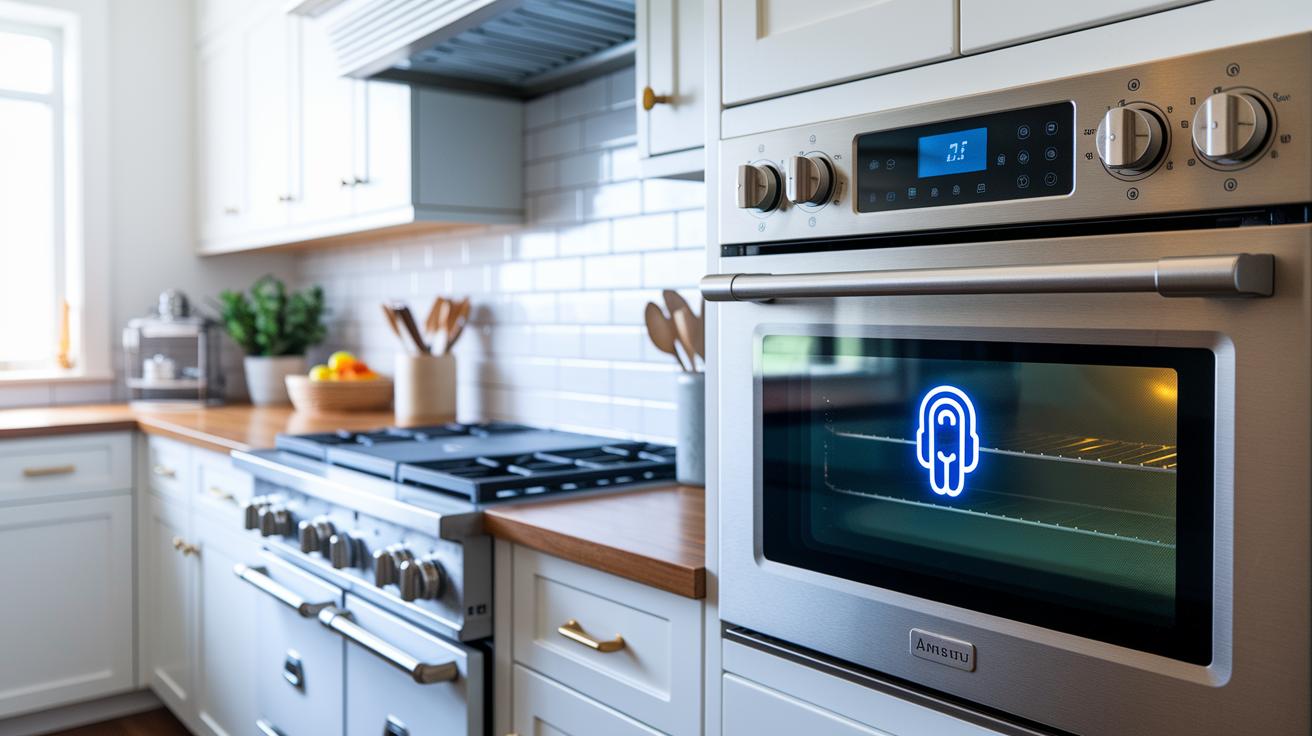
Smart appliances stay connected to the internet and get regular firmware updates so you can adjust settings from anywhere. We saw this in our test when a smart oven quickly took a voice command, "Set the timer for 10 minutes", while someone was busy with other dishes. This hands-free action makes daily routines easier and helps save time in the kitchen.
Traditional appliances, on the other hand, use mechanical knobs and buttons. They work well even if the internet cuts out or firmware updates aren’t available. This means you always have solid, direct control over things like temperature, timers, and cleaning cycles.
| Feature | Smart Appliances | Traditional Appliances |
|---|---|---|
| Connectivity | Need a stable internet connection and updates | No network needed |
| Control method | Use voice commands, app dashboards, or sensors | Operate with manual knobs and buttons |
| Real-world effect | Enable multitasking with hands-free use | Simplify operation without reliance on a network |
This clear comparison shows that while smart appliances can automate tasks and offer flexible control, traditional appliances deliver a steady reliability that many still value.
Cost Analysis: Comparing Smart Appliances vs Traditional Appliances
Smart tech appliances cost more upfront. For instance, a regular chimney may run about INR 15,000, while a smart one can cost between INR 25,000 and INR 35,000. That extra cost might feel steep, but the energy savings they offer can help trim your bills over time.
There are extra costs to keep in mind too. Smart appliances sometimes need electrical upgrades for safety and peak performance. You might also pay subscription fees if you choose extra features. On the other hand, traditional appliances use simple mechanical controls and come with fewer hidden charges.
Repair expenses also vary a lot. If a smart appliance’s control board fails, repairs can cost between $250 and $600. With traditional appliances, common fixes such as replacing belts or motors usually cost between $80 and $150. These differences matter, especially when you plan for the long run.
Energy efficiency is a key factor as well. Thanks to sensors and AI (a type of computer intelligence), smart appliances can reduce your monthly bills by about INR 500 to INR 1,500. These savings help balance out their higher initial and maintenance costs.
| Cost Aspect | Smart Appliances | Traditional Appliances |
|---|---|---|
| Purchase Price | INR 25,000–35,000 | INR 15,000 |
| Hidden Costs | Electrical upgrades, subscriptions | None |
| Repair Expenses | Control board $250–$600 | Belt/motor $80–$150 |
| Energy Savings | INR 500–1,500/month | Steady baseline use |
Energy Efficiency: Smart Appliances vs Traditional Appliances
Smart appliances use sensors to check real-time conditions like room temperature and how much load there is. They run heavy tasks during off-peak hours when energy is cheaper. For instance, a smart fridge might delay its full cooling cycle if it senses less activity at home. Imagine your fridge waiting for a slight room temperature drop before working hard, which cuts down on wasted energy.
These gadgets also use automated scheduling and load-balancing. They watch your usage patterns and make small tweaks like adjusting the heating when demand is low. This smart approach means the appliance only uses as much power as needed.
Traditional appliances, on the other hand, stick to fixed routines. They run the same cycles without using any sensors, which means they draw a steady, unchanging amount of energy no matter what.
Reliability & Maintenance for Smart Appliances vs Traditional Appliances
Smart appliances pack extra electronics like sensors, circuit boards, and software. These parts can break down when exposed to power surges, moisture, heat, or grease. We once had a smart oven that needed a control board repair costing between $250 and $600. When the board failed mid-cycle, the repair bill nearly doubled a normal service call.
Traditional appliances stick with simple parts like knobs, belts, pulleys, motors, bearings, and heating elements. These components rarely fail. Repairs typically run between $80 and $150. Fixing a motor or belt is straightforward and much cheaper than repairing a smart appliance’s electronics.
Our testing shows that smart devices might cost you more in repairs and need upkeep more often. Touchscreen glitches and connectivity issues can add to the maintenance load. In contrast, traditional appliances offer steady performance with simpler, less expensive fixes.
-
Smart appliances
- More parts means a higher chance of failure
- Repair costs run around $250–$600
- Often face tech hiccups like touchscreen or connection errors
-
Traditional appliances
- They use basic, sturdy parts
- Repair costs are about $80–$150
- Breakdowns occur less often
| Appliance Type | Repair Cost Range | Reliability Factors |
|---|---|---|
| Smart Appliances | $250–$600 | Extra electronics increase the risk of issues |
| Traditional Appliances | $80–$150 | Simple, durable parts enhance long-term reliability |
User Experience: Comparing Smart Appliances vs Traditional Appliances

Smart appliances add clever touches that make daily tasks easier. For example, some smart dishwashers clean their own filters after a cycle, so you skip the manual cleaning step. Cookers can even use an AI-based whistle counter (a tool that listens and counts sound signals) to tell you when your food is ready. And if you leave the fridge door open, a door alert will remind you.
Traditional appliances, on the other hand, use basic knobs and buttons that work immediately. They never worry about connectivity problems.
How to Choose: Comparing Smart vs Traditional Appliances for Your Home
Pick appliances that match your lifestyle. Think about how you cook and how comfortable you are with technology. If you like controlling things from your phone, then smart appliances may be the best choice. These devices use sensors (tools that detect changes) and built-in features to adjust settings on their own. This helps lower energy bills and saves you time. Plus, if you enjoy shortcuts like voice commands or smart alerts, these models are a great option.
Traditional appliances stick to simple, proven performance. They come with easy-to-use manual controls and usually cost less to repair. Without the hassle of frequent software updates or connectivity issues, they are a solid pick for everyday use. If you value long-lasting, straightforward appliances, you might lean toward this option.
With rising material costs and inflation, durability is more important now than ever. Think hard about whether you need the latest tech features or if a classic design suits your routine better. Consider how often you cook, your willingness to update software, and any extra maintenance costs.
By balancing practical needs with tech perks, you can choose the appliance that best fits your home. Choose what works for you.
Final Words
In the action, we broke down the key differences between smart appliances and traditional models. We looked at features like connectivity, control, cost, and energy efficiency. Real-world tests showed how smart units save energy and time but may face more repairs, while traditional choices lean on simplicity and reliability.
By comparing smart appliances vs traditional appliances, there’s a clear picture of trade-offs. Pick the one that fits your lifestyle, budget, and comfort with technology. Enjoy a reliable, efficient home setup!
FAQ
What are the key differences between smart and traditional appliances?
The key differences focus on connectivity and control, energy efficiency, cost, and maintenance. Smart appliances rely on IoT connectivity with features like AI recipe suggestions and remote monitoring, while traditional models use manual controls.
How does connectivity and control differ between smart and traditional appliances?
The connectivity and control differences lie in network and manual operations. Smart appliances use voice control, sensors, and app dashboards, while traditional ones rely on mechanical knobs and switches without internet requirements.
How do costs compare between smart and traditional appliances?
The cost differences include higher initial prices and potential add-on fees for smart models. Though smart appliances are 20–50% pricier upfront, energy savings and lower repair costs may help offset expenses over time.
What energy efficiency benefits do smart appliances offer compared to traditional ones?
The energy efficiency benefits include sensor-driven cycles and AI adjustments that cut consumption by 15–30%. These smart features help lower utility bills, unlike traditional appliances, which run on fixed cycles.
How do reliability and maintenance differ between smart and traditional appliances?
The reliability differences stem from the technology involved. Smart units face software and sensor issues leading to higher repair costs, while traditional models, using mechanical parts, tend to have fewer breakdowns and simpler repairs.
How does the user experience vary between smart and traditional appliances?
The user experience varies through convenience versus simplicity. Smart appliances offer remote control, notifications, and auto functions that speed up tasks, while traditional models provide straightforward operation without connectivity issues.
How should I choose between smart and traditional appliances for my home?
The choice comes down to lifestyle. Tech-savvy users may prefer smart features for energy savings and convenience, whereas those valuing long-term reliability and lower repair costs might lean toward traditional models.