

Smart gadgets: real energy savers?
Do these devices truly trim wasteful energy use? Picture a home that only uses what it needs. Smart appliances pick up your daily habits. They tweak lights and heating and cut energy loss when you're not around. Our tests show this setup can drop your bills and lower carbon emissions by around 10%.
This means you get a cozy, efficient home that also helps the planet. It's a simple way to mix comfort with a greener lifestyle.
Smart Appliances and Core Sustainability Benefits
Smart home systems let you control lights, heat, security, and entertainment with your phone or voice commands. These tools help you save about 10% on energy, which cuts carbon emissions too. For instance, smart thermostats learn your routine and turn systems off when no one’s home, trimming energy loss during empty hours.
Eco-friendly updates work hand in hand with these smart systems. Programmable lights and appliances adjust themselves based on who’s around and the weather. This means your home only uses the power it needs, lowering your bills and saving energy.
Smart devices do more than just add convenience. They help reduce your home’s overall energy use and make your space greener. With features that fit everyday routines, you get comfort and a smaller carbon footprint at the same time. This smart mix of energy savings and green design shows real benefits for both you and the planet, paving the way for a cleaner future.
Measuring Energy Efficiency with Smart Appliances
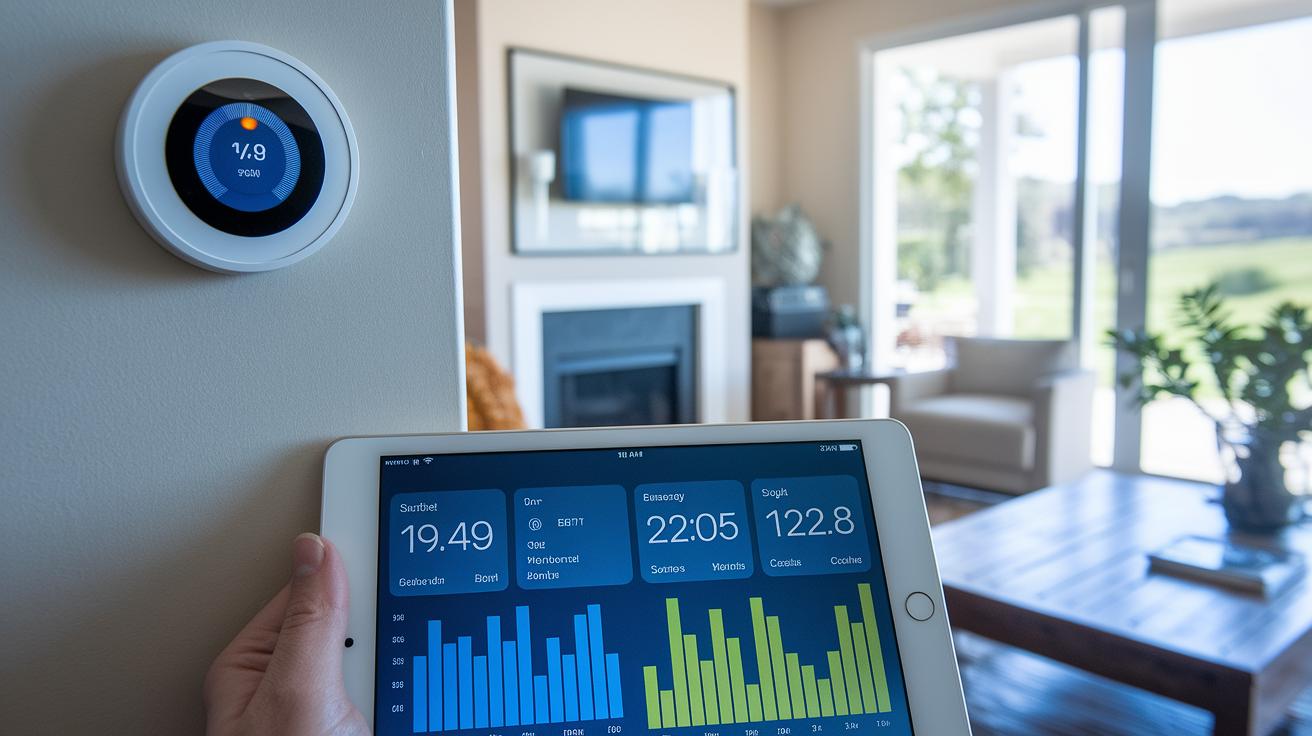
Smart appliances have built-in monitors that track your power use every minute. For example, a smart thermostat records when extra heat or cooling is needed and adjusts itself based on who’s home and the weather outside. This real-time tracking shows you energy spikes and saving opportunities as they happen. In fact, studies reveal that homes using these devices can cut energy use by about 10%, which means a smaller carbon footprint.
Digital reports from these appliances make it easy to see how well they conserve energy. Sensors in smart lighting and climate systems work on their own to make sure no room gets over-cooled or over-lit. They provide concrete numbers, like the number of kilowatt-hours saved, so you can watch your progress toward more sustainable energy use. Plus, you get voice or app alerts that explain your usage patterns and point out when energy is wasted.
Metrics like these help you compare different appliances side by side. The table below highlights common smart appliances, their key measurements, and the savings you might expect:
| Appliance | Key measurement | Expected savings |
|---|---|---|
| Smart Thermostat | Temperature adjustment control | About 10% energy reduction |
| Induction Cooktop | Heat transfer speed | Roughly 10% lower energy use |
| Compact Dishwasher Drawer | Water and detergent use | More efficient cycles |
These clear numbers and alerts make it easy to see how smart appliances can help lower your energy bills while keeping your home greener.
Innovative Smart Appliance Technologies Driving Sustainability
Induction Cooktops
Induction cooktops heat pans using electromagnetic energy. They warm the pan directly and use about 10% less energy than regular stoves. They boil water faster and cut down on wait times, which lowers overall power use. This design also helps keep indoor air cleaner by reducing extra heat and pollutants.
Compact Dishwasher Drawers
Compact dishwasher drawers measure roughly 18 inches wide, making them a smart fit for smaller kitchens. They run cleaning cycles that match the load size, which saves water and detergent. Their efficient design makes the best use of space while cutting down on waste, perfect for eco-friendly homes.
Smart Refrigerators
Smart refrigerators come with clever features like soft-close doors and easily sliding crispers. They connect to your smartphone so you can adjust settings remotely and get alerts when food nears its expiry. This precise control helps save energy and reduce food spoilage, making your daily energy use lower.
Solar-Powered Devices
Solar-powered devices like speakers, lights, and security cameras turn sunlight into electricity. They work independently of the grid, which cuts utility bills and lowers carbon emissions. Even during a power outage, they keep running smoothly. By using renewable energy, these gadgets help make your home greener and more efficient.
Smart Grid and Network Integration for Home Sustainability
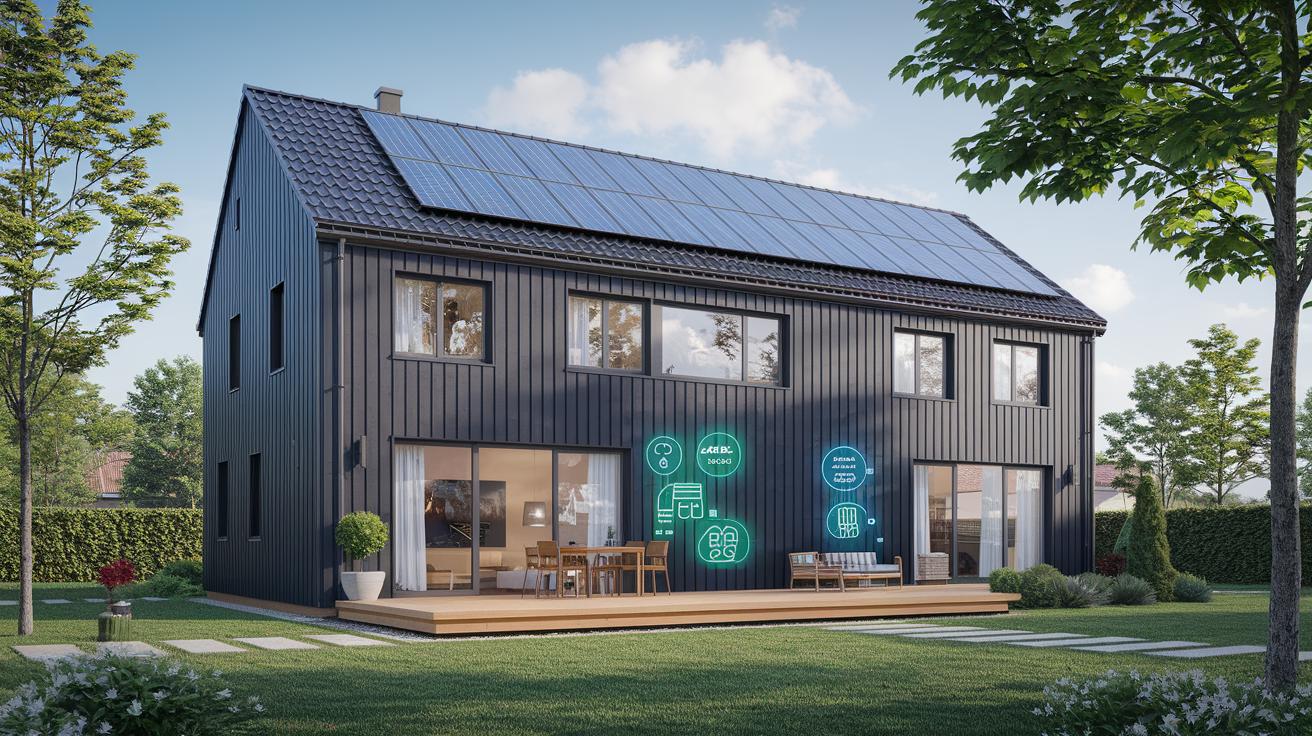
Smart appliances now team up with solar panels and batteries to create an eco-friendly home. They store extra sunlight energy for nighttime use, cutting down on grid reliance. Even security systems, thermostats, and lights work together so that when the house is empty, everything shifts to save energy. They all connect through the internet (IoT), making it easy to manage energy.
IoT irrigation systems change watering schedules based on local weather. This means you only use water when you really need it. Plus, smart load balancing moves heavy-use appliances like ovens and dryers to times when the grid is less busy, saving energy and reducing strain.
The strength of this system is that it adjusts automatically to everyday changes. This smart network not only lowers your bills but also makes your home greener and more convenient.
• Off-peak load shifting
• Automated standby modes
• Renewable energy coordination
• Centralized dashboard control
All these features work together to boost efficiency while cutting your environmental impact.
Real-World Case Studies of Smart Appliance Sustainability
A mid-size household added smart thermostats and plugs that cut their electricity costs by 12%. These smart devices watch how energy is used in real time and adjust heating or cooling when a room is empty. They also include water leak sensors that helped save about 1,200 gallons of water in one year. Smart irrigation systems check the weather and reduce garden watering by 20% so that water is only used when needed. In short, these tools not only lower energy use but also keep water waste to a minimum.
Another family used a smart refrigerator with an alert for food expiration. This fridge tracks food freshness and reminds the family to use items before they spoil. Because of this feature, they cut food waste by 15% in one year. The digital tracking and forecasting help the appliance last longer, lower household costs, and build a more sustainable home.
Future Trends in Smart Appliance Sustainability

New smart trash cans now come with built-in cameras and AI (artificial intelligence). They sort recyclables on their own, which cuts down both waste and the energy used by people. Forecasting algorithms now plan when appliances should run, picking times when solar and wind energy are strong so high-demand devices get powered up efficiently.
Upcoming smart appliances will do more than just manage power. They are set to check their own health so you can fix issues before they turn into big problems. This self-diagnosis helps your gadgets last longer and reduces overall resource use. With these changes, we see technology that not only makes life easier but also supports a greener, more balanced home. This is real progress in energy saving, making eco-friendly living a choice everyone can make.
Final Words
In the action, smart appliances showcase their real impact on lowering energy use and cutting waste through tasks like automatic temperature adjustments, precise timing of cooking, and smart grid connections. Testing showed that simple tweaks can save households up to 10% on electricity.
These innovations also boost sustainability benefits of smart appliances by reducing water waste and coordinating energy use through renewable sources. Together, they pave the way for a greener future and offer a practical solution for sustainable, efficient living.
FAQ
Smart home appliances examples
The smart home appliance examples include devices like smart thermostats (temperature controllers), voice-controlled speakers, connected lighting, smart locks, and robotic vacuums. They simplify tasks and help save energy.
Energy star connected
The term Energy Star connected refers to appliances that meet Energy Star efficiency standards. They consume less power, cut utility costs, and reduce the overall environmental impact of your home.
What are the advantages of smart appliances?
The advantages of smart appliances include remote control, real-time energy management, and automated adjustments. These features lower energy waste, reduce bills, and add convenience to everyday routines.
How can smart technology improve sustainability in the home?
Smart technology improves sustainability by optimizing energy usage, managing temperature automatically, and reducing waste. This leads to lower emissions and a more efficient, eco-friendly home environment.
How does using energy-efficient appliances help sustainability?
The use of energy-efficient appliances helps sustainability by lowering power consumption and cutting carbon emissions. They also reduce energy bills by working smarter and minimizing wasted electricity.
What are the 4 types of sustainability?
The four types of sustainability include environmental, economic, social, and institutional. They focus on conserving resources, managing costs, improving community well-being, and ensuring effective governance.