

Have you ever thought your fridge might soon order groceries for you? Smart appliances are getting smarter every day. New devices with sensors (tools that sense changes) and AI (systems that learn and decide) are making homes safer and easier to run. Nearly 38% of these gadgets now connect wirelessly, and that number keeps growing.
This means smarter systems are on the way. They promise to smoothly handle everyday tasks and change how we live in ways we might not expect.
Smart Appliance Innovations Defining the Future of Home Technology
Smart appliances have come a long way since the 1950s. Back then, machines did basic tasks with simple mechanical automation. Today, nearly 38% of devices have Wi-Fi and Bluetooth. This means you can turn them on or off from afar, and they also boost performance, safety, and energy use.
Modern appliances are packed with sensors that help them learn and adjust all on their own. For example, a smart fridge can check its own temperature and even let you know if its door isn’t properly closed. This kind of monitoring saves energy and prevents wear, making your home safer and more efficient.
Now, appliances do more than just follow commands. Think of a washing machine that changes its cycle based on the fabric type or a thermostat that adapts heating when someone enters a room. These smart features make life easier. They work quietly in the background, keeping up with your daily routine.
In short, we are moving toward a home where machines use real-time data to help manage tasks. By blending old mechanical tech with new sensor-driven intelligence, smart appliances truly become a helpful partner in everyday living.
AI Integration and Machine Learning Driving Intelligent Smart Appliances
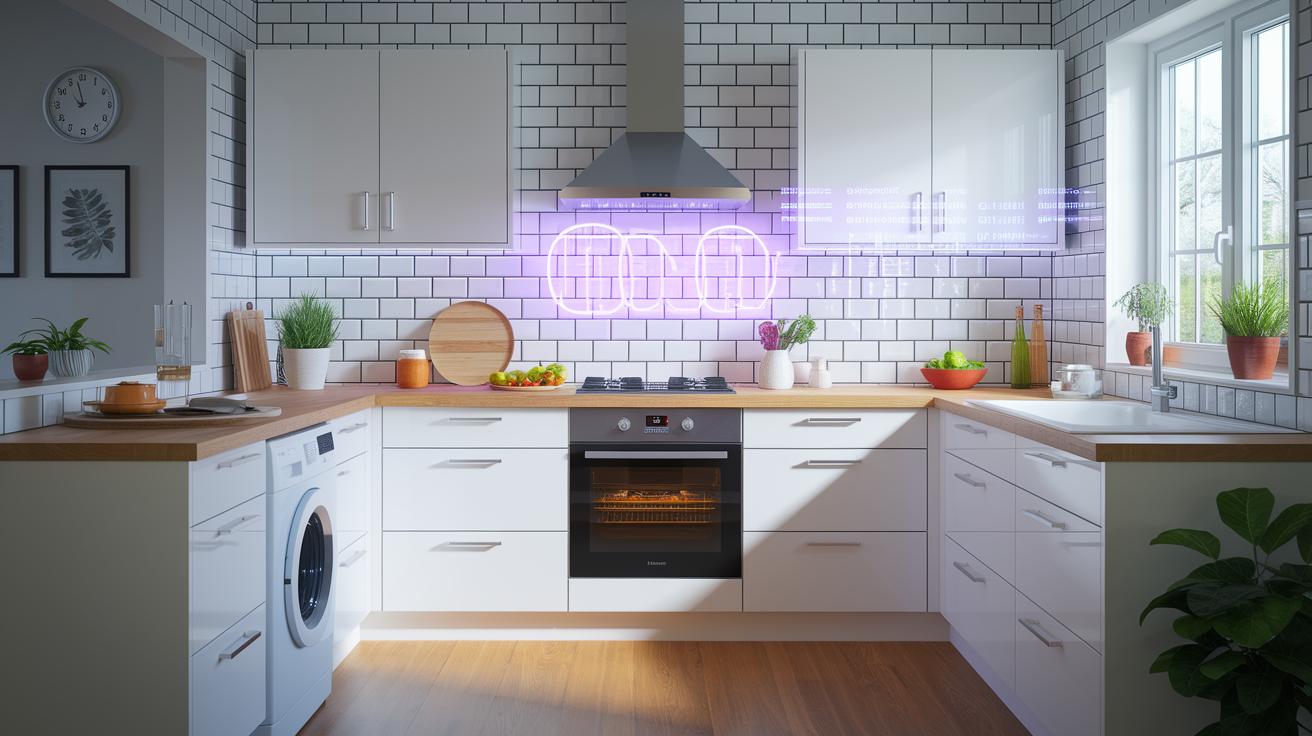
Modern smart appliances use AI (artificial intelligence) and machine learning (systems that learn from data) to do more than just connect. They change settings instantly, learn your habits, and boost both safety and energy use without you having to do a thing. They no longer rely on manual programming because they adjust in real time based on the data they collect. Picture an oven that changes its heating pattern for each meal or a washing machine that picks the ideal wash cycle for each fabric. This smart shift makes everyday tasks smoother, saves time, and cuts down on waste.
Many of these devices learn on their own. They check factors like temperature, humidity, and load to fine-tune their performance. Users tell us that these built-in tweaks improve efficiency and make the appliances easier to use, offering a mix of steady performance and smart self-checks.
Some smart features you might see include:
- Adaptive cooking cycles that change based on what you're cooking.
- Wash cycles that adjust to care for different fabrics.
- Predictive cooking times that help you plan your meals.
- Alerts that flag potential safety issues.
- Thermostats that learn your temperature preferences and schedule themselves.
These innovations are shaping the future. With AI and machine learning, home technology is getting smarter, more responsive, and more personalized to fit your needs.
IoT Connectivity and Cloud-Based Management for Smart Appliances
Almost 40% of today's appliances come with Wi-Fi and Bluetooth. That means you can turn them on or off from anywhere. They now share real-time data so each device knows what the others are doing. Picture this: your oven pings you when preheating is done, and your air purifier tweaks itself based on indoor air quality, all controlled from one app.
Cloud platforms help tie everything together. They let you watch your devices in real time and set schedules from afar so that everything works smoothly. When your appliances connect to a central hub, everyday routines get a boost. For example, your washing machine might sync with your dryer or even work with your utility service to use energy better.
All this smooth operation rests on solid connectivity protocols. Check out the table below for a quick look at the common protocols today:
| Protocol | Range & Bandwidth | Key Benefits |
|---|---|---|
| Wi-Fi | High bandwidth, broader range | Fast data exchange, remote control |
| Bluetooth | Short-range, moderate speed | Energy-efficient, direct communication |
| Zigbee | Low power, mesh networking | Reliable, multi-device orchestration |
These connectivity options make home automation simple by linking all devices into one smart network. Cloud management keeps everything updated and checks performance for you without any extra effort.
Energy Efficiency and Eco-Friendly Designs in Future Smart Appliances

Next-gen smart appliances now come with smart sensors that adjust energy use on the fly. For example, a smart oven may cut power when it sits idle, and a washing machine can sense how full the load is to lower water and energy use. In one test, a smart fridge trimmed standby power by almost 20% just by adjusting its cooling cycles during off-peak hours.
These gadgets do more than just let you control them from afar. They run smart power-saving routines to cut waste. Many users say these tweaks lower bills and make homes greener. Plus, manufacturers are designing products with eco-friendly parts and recyclable materials to lessen environmental impact.
Energy monitors are getting clever too. They track your energy use and give tips on how to save more. Imagine a dishwasher that learns your schedule and runs when energy is cheaper and cleaner. Such smart insights can help you change habits and get more out of every cycle.
By focusing on eco-friendly design, future smart appliances show that saving energy doesn't mean a drop in performance. They prove you can cut energy use while still getting the power you need.
Next-Generation Kitchen and Laundry Smart Appliances Revolutionizing Home Trends
Imagine an oven that starts preheating when you say the word and a washer that tailors its cycle based on the clothes inside. These smart moves offer new insights without rehashing our past sections on smart kitchen gear and connected tech.
Here are some standout features:
- Ovens that begin cooking when you say "Start the roast."
- Washers with sensors that pick the right wash cycle for your load.
- Refrigerators that text you when you're low on essentials.
| Device | Unique feature |
|---|---|
| Oven | Voice-controlled preheating |
| Washer | Sensor adjusts wash cycle |
| Refrigerator | Alerts when staples run low |
Automated Cleaning Systems and Robotic Smart Appliance Innovations
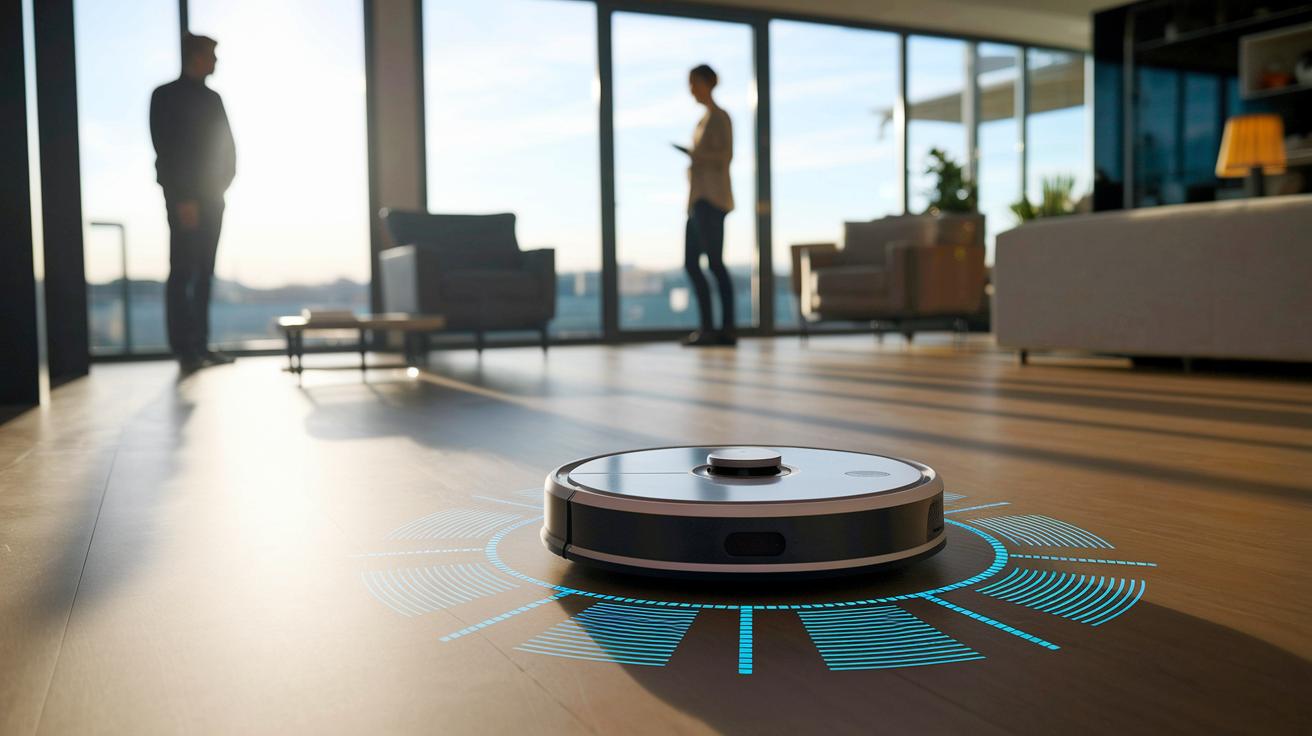
Smart cleaning robots have raised the bar. They use modern sensors (gadgets that detect obstacles) and mapping tools to figure out your home's layout. These robots make detailed maps and plan smart routes that cover every spot. Many users love that they can sync with home routines, so your robot might wait until after dinner to start cleaning without disturbing you.
They do more than just respond to remote commands. They work with other smart devices and adjust their cleaning paths using real-time data. Users enjoy how these robots detect obstacles quickly and choose clear paths. Here are a few key perks:
- They navigate well around furniture and obstacles.
- They adjust routes quickly based on how rooms are set up.
- They link with home automation systems to pick the best cleaning times.
This level of smart coordination and route planning really sets today’s cleaning robots apart from basic cleaners.
Enhanced User Experience: Voice, App, and Gesture Controls for Smart Appliances
Smart appliances are easier to use today. You can talk to them, control them with an app, or even use hand motions. This mix of controls makes daily tasks simple and enjoyable. Clear touch screens and easy-to-read menus make these gadgets feel like a natural part of your routine.
Many households now enjoy a hands-free setup. Imagine your oven starting to preheat when it hears your voice, or your thermostat adjusting with a tap on your phone. Our tests show that these controls cut out extra steps, helping you manage your home more smoothly.
Key control methods include:
- Voice commands that act fast.
- Mobile apps that let you schedule and monitor devices.
- Gesture controls that change settings with a swipe.
- Digital interfaces that combine ease with power.
- Multilingual voice assistants for diverse households.
These features do more than add convenience. They make your home feel smart, turning everyday actions into smooth, automatic responses.
Predictive Maintenance, Security, and Over-the-Air Updates for Smart Appliances
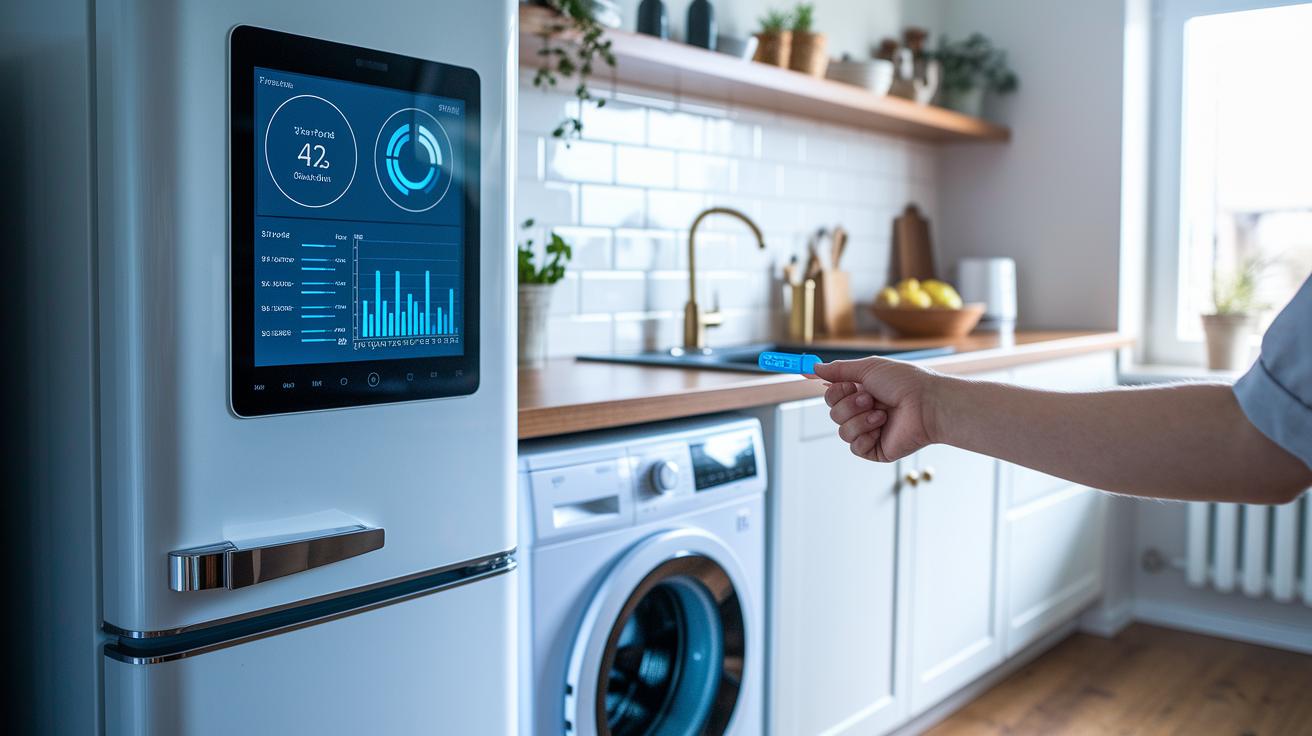
Smart appliances do more than just make life easier. They are built with smart features that help keep them running well. For example, many come with self-check systems that spot problems early, so small issues don't turn into big ones.
Manufacturers use a method called predictive maintenance (using sensors and data to track device health) to keep an eye on your appliance. This helps cut down on downtime and makes your device live longer. It also gives you or your service provider a heads-up when something needs fixing.
Security is a top priority. These devices get regular updates that fix security gaps and protect your personal data. Remote troubleshooting lets experts fix issues quickly without having to visit your home.
- Over-the-air firmware updates that keep your appliance current.
- Self-diagnostic functions that find faults early.
- Remote troubleshooting tools that solve issues fast.
- Privacy fixes that protect your data.
- Cybersecurity boosts that secure each update.
These smart features lead to fewer service interruptions and a safer home. Regular updates and quick fixes help your appliance run smoothly while protecting your sensitive information. With these strong safety and maintenance updates, smart appliances are more dependable for everyday use.
Regular over-the-air updates and smart alerts give you peace of mind. Quick fixes help reduce risks, making smart appliances a smart choice for your home.
Market Forecasts, Consumer Adoption, and Challenges Impacting Future Smart Appliance Trends
Market forecasts look bright for smart appliances. More people are trusting these devices to make daily chores easier. Almost 38% of today’s gadgets connect to the internet, which shows that retailers are promoting a linked home.
Consumers who have tried smart appliances often say they’re happy with them and plan to keep using them. This good feedback fuels even more interest. We’ve come a long way from simple mechanical tools to smart devices with sensors that react to their environment. This history sets the stage for even more Internet of Things (IoT) and artificial intelligence (AI) features.
Households appreciate smart appliances because they help cut energy use, run their own checks, and let you control them from afar. Data tells us that simplicity and real energy savings are key to how fast more people are adopting this tech. Still, some issues need solving. Many experts are working on rules for safety and energy efficiency, which will influence how these devices are made.
Retailers and tech companies are joining forces to meet both customer expectations and new laws. Meanwhile, fast-paced innovation and tough market competition push manufacturers to balance speed with quality. Many are also shifting to eco-friendly materials and lowering energy use when the device isn’t on. Overall, strong customer interest, rising industry standards, and smart retail partnerships ensure that smart appliances will keep growing in importance in our homes.
Final Words
In the action, we saw smart appliances evolve from basic connectivity to AI-driven, energy-saving devices. The blog walked through enhanced control via voice and apps, the growth of cloud-based monitoring, and advanced security features that keep devices running smoothly. We also explored how these changes improve everyday use while cutting energy waste.
Future trends in smart appliances promise more intuitive and reliable home tech that blends seamlessly into your life. The outlook is bright as these innovations make homes safer, smarter, and more efficient.
FAQ
What does the future of smart appliances and smart home technology look like?
The future of smart appliances and smart home technology features stronger AI integration, enhanced connectivity, and improved energy efficiency, offering smarter, more responsive devices that boost everyday living.
What are key trends in smart home technology?
Key trends in smart home technology include IoT connectivity, voice and app controls, AI-driven personalization, energy-saving designs, and predictive maintenance that keep devices safer and more efficient.
What are the top smart home devices I should consider?
The top smart home devices span Wi-Fi-enabled thermostats, smart speakers, connected security cameras, smart locks, and integrated lighting systems, all designed for convenience and improved home control.
How is research impacting the smart home industry?
Smart home research drives innovation by testing connectivity standards, refining AI algorithms, and guiding manufacturers to develop devices that meet real-world needs and improve user satisfaction.
What is the 50/50 rule for appliances?
The 50/50 rule for appliances suggests that, during regular use, an appliance should run at about half its rated power to indicate energy efficiency and help gauge potential savings.
Which appliance typically uses the most energy?
Large appliances like older refrigerators and air conditioners often waste the most energy, as they consume excess power even during idle cycles, making them prime targets for upgrades.
Will appliance prices rise by 2026?
Appliance prices may increase by 2026 due to advanced smart features, rising component costs, and evolving supply chain factors that push manufacturers to adjust retail prices.