

Think your phone camera is just for quick snaps? Think again. We put several phones to the test. Each one packs a high-resolution sensor (a tool that captures lots of detail), smart editing features, and a battery that keeps up with your busiest days. The result? Sharp, clear photos that turn everyday moments into lifelike images. So whether you're preserving family memories or kicking off a creative project, one of these phones could be the upgrade you need for standout shots.
Best Phone Camera Overview for Outstanding Mobile Imaging
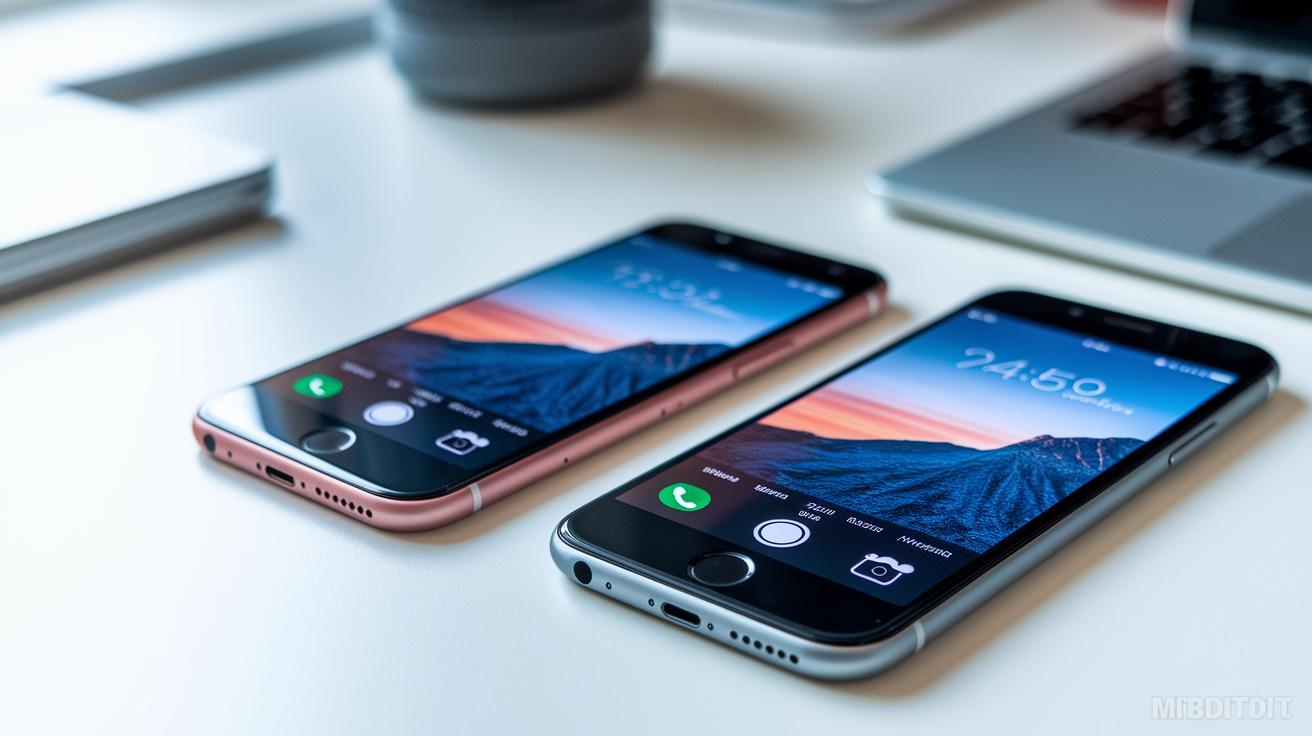
We picked phones that do much more than capture simple snapshots. These phones feature high-resolution sensors, easy-to-use smart software, and batteries built to last through long shooting days. We checked out models with upgraded ultrawide lenses, built-in AI editing tools (software that helps improve photos automatically), and creative designs. Whether you're snapping casual photos or diving into professional projects, there's a phone here to suit your needs.
Here are our top picks:
- Apple iPhone 16 Pro/16 Pro Max: These phones come with improved ultrawide lenses and batteries that can comfortably get you through the day, making sure every capture is smooth and effortless.
- Google Pixel 9 Pro/9 Pro XL: With smart features like Gemini Live and Pixel Studio turning text into creative images, these phones offer a boost in performance and a neat way to experiment with your shots.
- Samsung Galaxy S25 Ultra: Equipped with a Snapdragon 8 Elite processor and a 200 MP main sensor, this phone is all about fine detail and versatile video tools that feel professional.
- Samsung Galaxy Z Fold 7: A standout foldable design that packs a 200 MP main camera for creative multitasking. Its unique build is perfect for those who need extra flexibility, even if it comes at a higher price.
- Standard iPhone 16/Pixel 9: These options deliver advanced photography controls and a clean software experience at a friendlier price point, so you get quality without breaking the bank.
Different users may favor different features. Some might lean toward the steady performance and long battery life of the iPhone 16 Pro series, while others could prefer the Pixel’s creative AI tools. If you want cutting-edge hardware and multitasking, the Galaxy S25 Ultra or Z Fold 7 are top contenders. And for solid imaging that won’t cost a fortune, the standard iPhone 16 or Pixel 9 are great bets.
Top Contenders in Photography Device Comparison
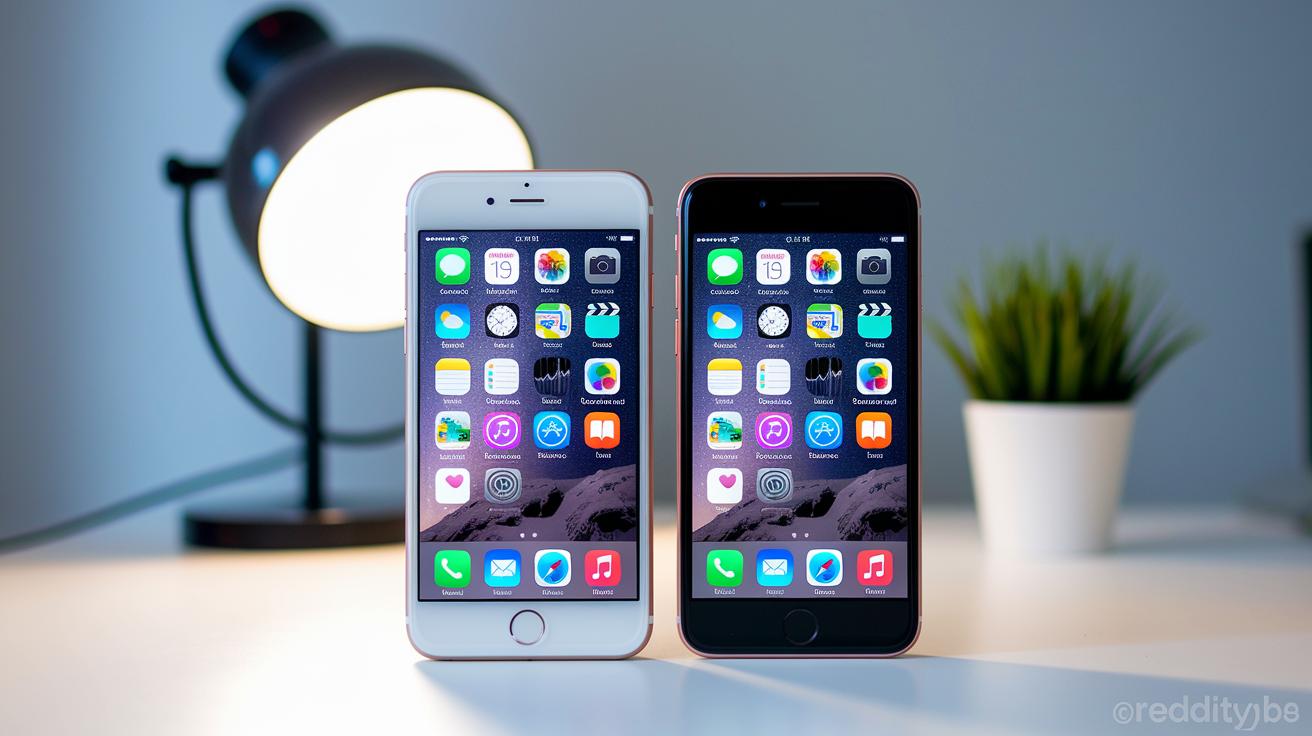
When we compare smartphone cameras, the numbers tell a clear story. We took a close look at a mix of top-end and midrange models, checking out main sensors, ultrawide lenses, and telephoto features along with price. Whether you want more creative control or need a balanced all-rounder, these details can help point you in the right direction.
| Model | Main Sensor (MP) | Ultra-Wide (MP) | Telephoto (Optical Zoom) | Price (USD) |
|---|---|---|---|---|
| iPhone 16 Pro | 48 | 12 (f/2.2) | 3× | $1,099 |
| Pixel 9 Pro | 50 | 12 (f/1.7) | 5× | $999 |
| Galaxy S25 Ultra | 200 | 50 | 5× | $1,299 |
| Galaxy Z Fold 7 | 200 | 12 | 3× | $1,999.99 |
| Pixel 9a | 64 | 8 | , | $499 |
We saw big wins with the Galaxy S25 Ultra and Galaxy Z Fold 7, each packing a 200 MP main camera that takes smartphone imaging to the next level. At the same time, the iPhone 16 Pro and Pixel 9 Pro offer solid performance with lenses that work great for everyday and creative shots. For anyone watching their spending, the Pixel 9a delivers a sharp main sensor and a friendly price, though it skips the telephoto part.
This clear look at the specs lets you weigh sensor size, lens variety, optical zoom, and cost to pick the camera that fits your style best.
Evaluating Low-Light Imaging and Night Mode Performance on Phone Cameras
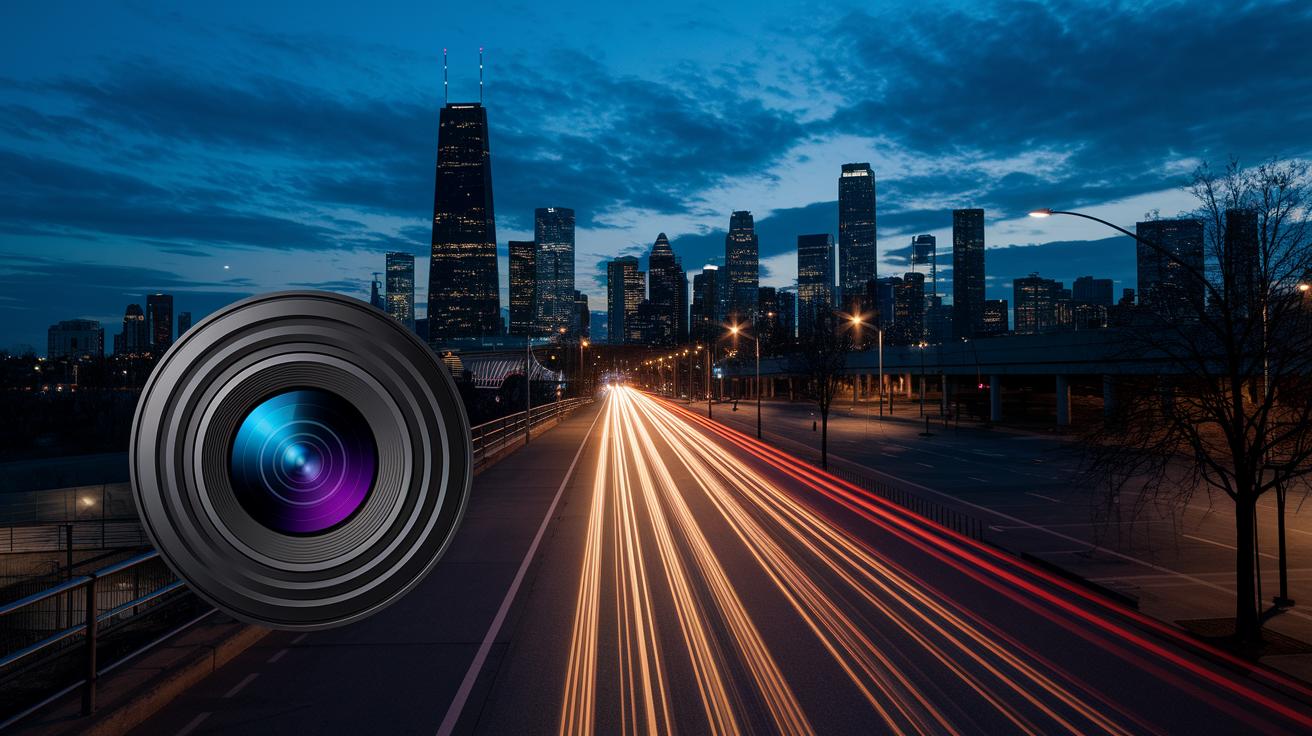
In low light, a camera's sensor size and lens setup matter most. Bigger sensors capture more light, which makes dark scenes clearer. A wide aperture (the opening in the lens) and pixel binning (merging small pixels to act as one large pixel) also boost brightness. For example, the iPhone 16 Pro and Galaxy S24 Ultra use smart sensor designs and well-tuned apertures to pull out details when light is scarce. It’s like opening your window wider to let in more light and keep the image from looking grainy.
Night mode builds on this by taking and combining multiple shots for one crisp picture. The Pixel 9 Pro, for instance, has a mode that gathers several frames to cut noise and lift shadows. These methods adjust the picture’s range and details so colors stay true and fine features show through. Even in very dim settings, you get photos with clear details and natural color.
Budget-Friendly Imaging Options for High-Quality Photo Technology
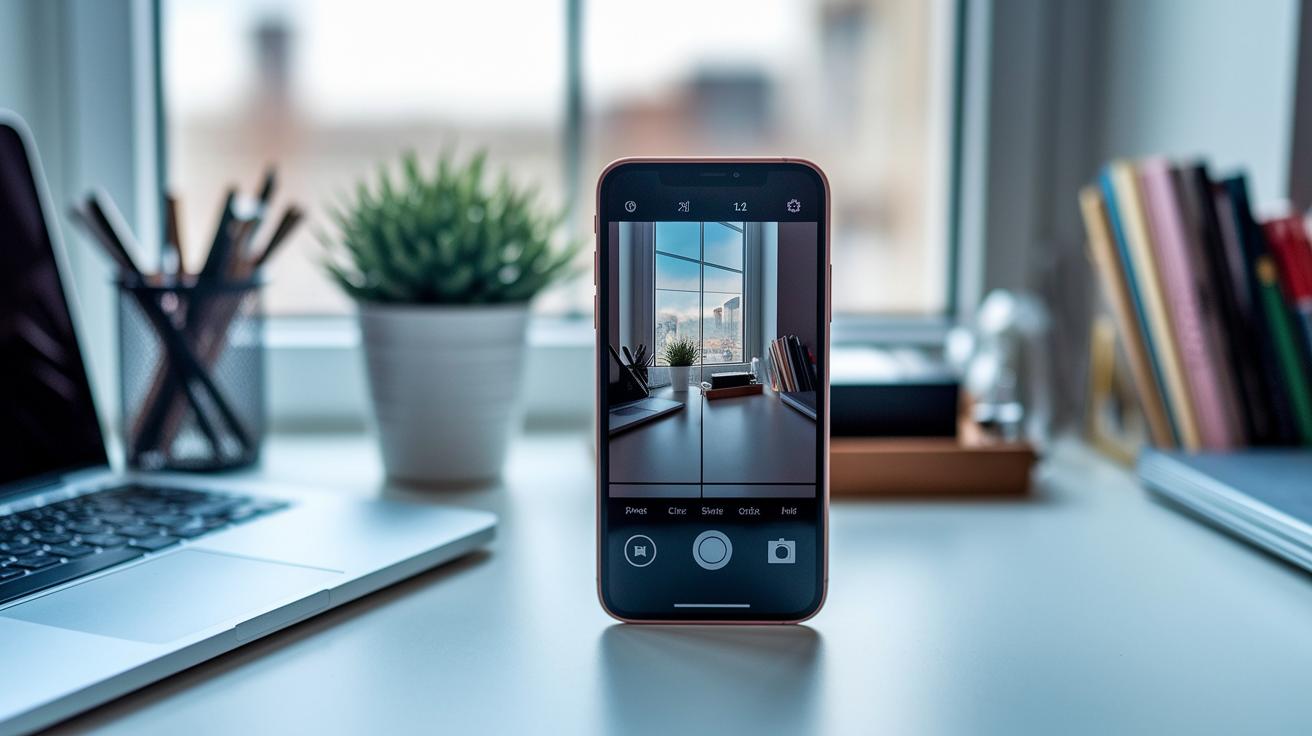
You don’t need to spend a lot to get great photos. Phones like the iPhone 16 series and the Google Pixel 9a offer strong photo controls without a high price. The iPhone 16 and 16 Plus give you smart photography features at a lower cost than the Pro versions. Meanwhile, the Pixel 9a runs on a Tensor G4 chip (a processor that handles tasks) and comes with capable camera hardware and software. It skips mmWave 5G but still produces clear, reliable images. Think of it like choosing a solid notebook over an expensive laptop – you get what matters without the extra cost.
Midrange phones can impress too. The Samsung Galaxy S25, for example, costs about $680.78 and packs a 3x optical zoom and optical image stabilization (a tool that steadies your shots). This phone balances price and performance for users who want standout imaging without overspending. Have you noticed how smart processing makes a difference in low-light photos? The Galaxy S25 shows that you can enjoy great image quality even on a budget.
Next-Gen Mobile Optics: Zoom, Stabilization, and DSLR-Style Photo Quality
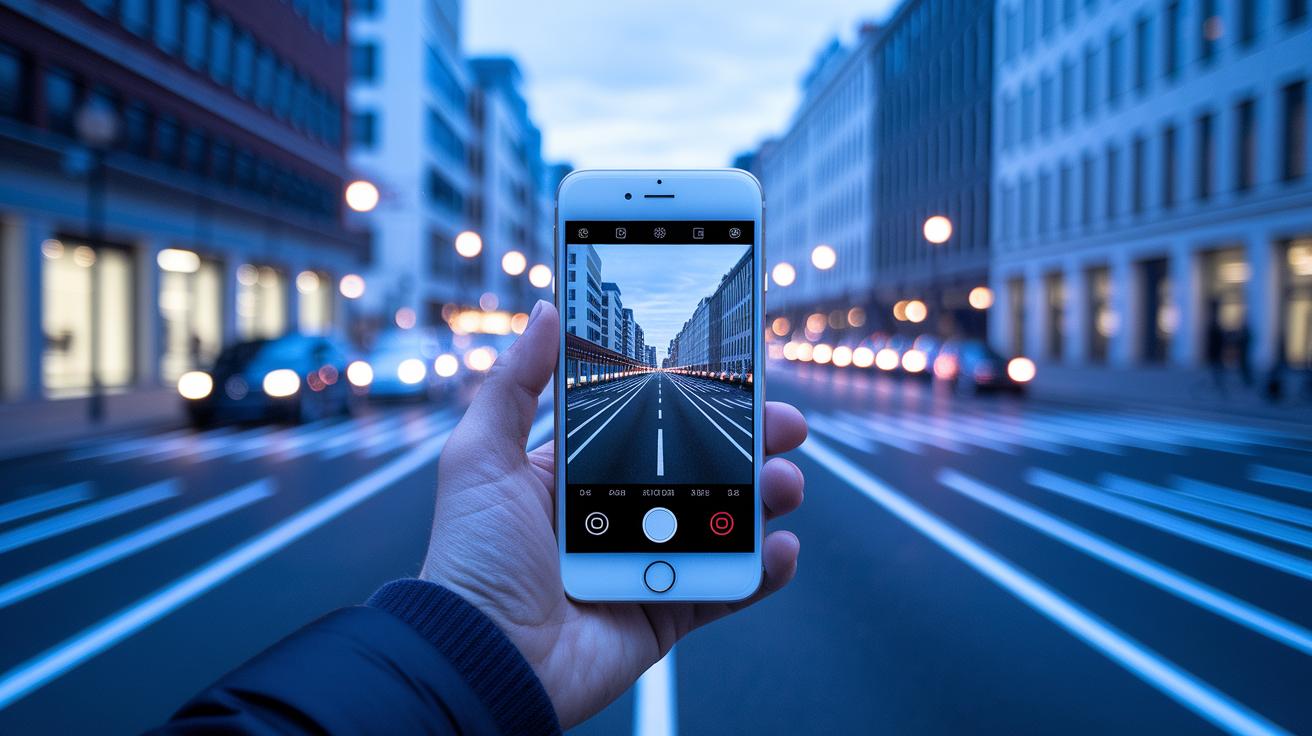
Smartphones now include many features that help you snap photos with clarity similar to DSLRs. New zoom designs, better stabilization, and smart sensor technology work together to capture sharp photos and smooth videos, even in tough light or shaky hands.
Optical zoom technology
New telephoto setups use pixel binning (merging pixels to boost light) and hybrid zoom (a mix of optical and digital zoom) to push zoom limits. For example, the Galaxy S25 Ultra has a 5× optical zoom and a 100× hybrid zoom that pairs real lens power with digital tricks. This means even faraway subjects come through with more detail. The iPhone 17 Pro Max sports a 4× telephoto lens that works great for medium-distance shots. According to guidelines from Mobile Phone Benchmarks, blending real zoom with clever software can produce nearly DSLR-like clarity in everyday use.
Image stabilization systems
Optical Image Stabilization (OIS) is key when you’re shooting in low light or on the move. Phones like the Galaxy S25 Ultra and Galaxy Z Fold 7 come with dedicated stabilization that keeps images and videos sharp, even during long exposures or on bumpy rides. There’s also hybrid stabilization, which uses both hardware and software to smooth out video and cut down blur. This makes a big difference when you’re recording for a long time or filming while moving.
DSLR-style sensor innovations
Today’s sensor designs use techniques like multi-pixel binning (combining several pixels to boost light capture) and sensor fusion (merging data from multiple shots) to up the imaging game. The iPhone 17 Pro Max, for instance, uses three 48 MP Fusion sensors that blend data into one detailed picture. Meanwhile, the Pixel 10 Pro offers 4K video at 60 frames per second and even 8K at 30 fps with its Video Boost. It also has an AI-driven Camera Coach to guide you with the best settings and framing tips.
These advances give you several ways to get a pro-like image, whether you need more zoom, better stabilization, or top sensor performance.
Best phone camera: Stunning Shots, Remarkable Clarity
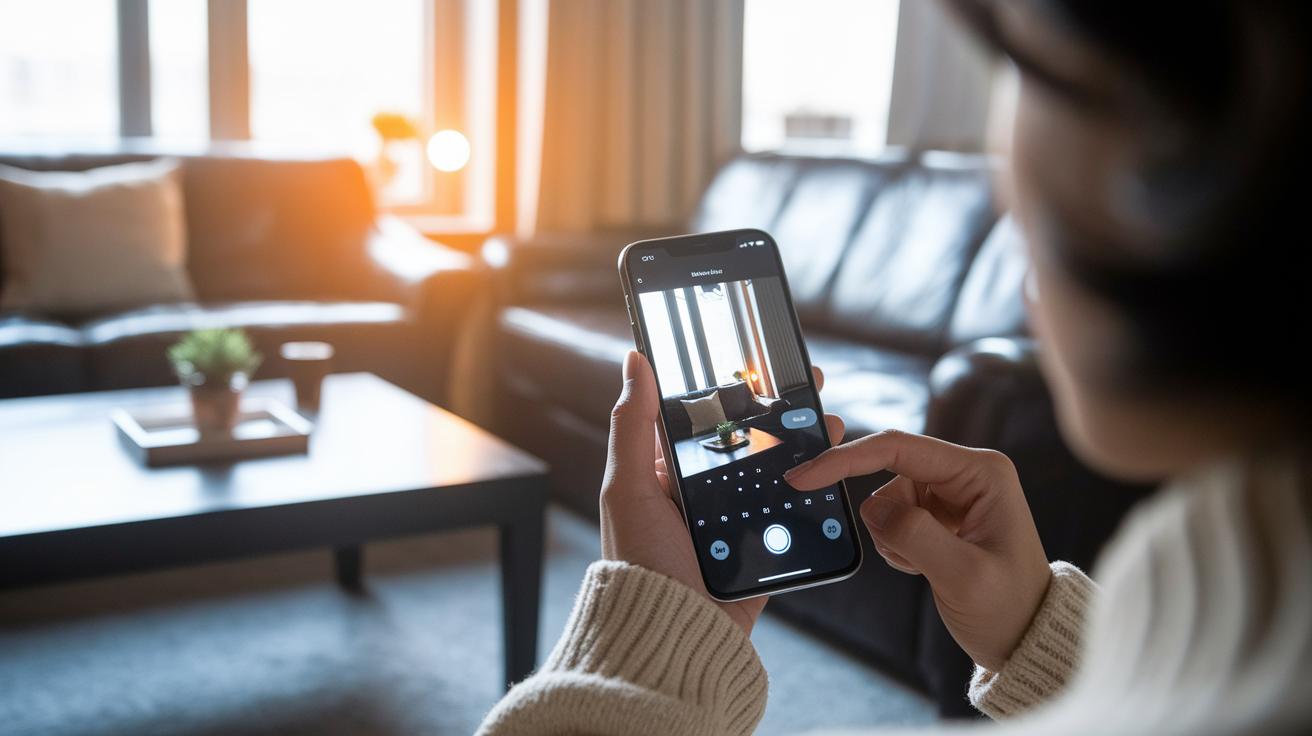
Modern smartphones now have smart tools that turn everyday snaps into high-quality photos. For example, the Pixel 9 Pro uses Gemini Live AI (a feature that talks you through creative shots) and Pixel Studio's text-to-image tool to help you capture a great picture. Samsung’s Galaxy AI suggests changes like removing backgrounds and tweaking lighting on the spot. Your phone practically becomes your own photo expert, making sure every shot looks its best.
Built-in editing tools make things even easier. Take the iPhone Pro models, for instance. They let you record in ProRes (a high-quality video format) and work directly with Apple’s editing apps. This means you can adjust colors, crop photos, and share your work fast without switching between apps. It keeps the process friendly and professional at the same time.
Many third-party apps also boost your editing power. Whether you’re on Android or iOS, you can add filters, make detailed adjustments, and even use creative overlays. As noted in the Google Pixel 9 review, these extra apps give photographers more control and bring your phone closer to a full editing station.
Final Words
In the action, we broke down top smartphone photography options, from flagship models to budget-friendly picks, highlighting detailed specs, low-light performance, advanced zoom, and AI editing tools.
Our tests showed how different designs offer unique strengths. You might favor a model for its clear night shots or its extensive software support. Every device delivers in its own way, with the best phone camera making a real difference in your shots.
Enjoy choosing a tech tool that fits your style and budget.
FAQ
Best phone camera quality?
The best phone camera quality is measured by sensor performance, lens clarity, and advanced processing techniques that produce detailed, vibrant photos even in challenging lighting.
Best phone camera app?
The best phone camera app gives you manual controls, intuitive editing tools, and enhanced stabilization, making it easier to adjust exposure and focus for improved shooting accuracy.
Top 10 best camera phone in the world?
The top 10 best camera phones include models known for stellar sensor quality, quick processing, and cutting-edge software, ensuring exceptional imaging performance in both daylight and low-light situations.
Best phone camera megapixels?
The best phone camera megapixels typically range from 48 MP to 200 MP, where higher megapixel counts can capture more detail, provided the sensor size and image processing effectively manage noise.
Best phone camera reddit?
The best phone camera, according to Reddit users, blends sharp autofocus, balanced color reproduction, and reliable low-light performance, making it a top choice for enthusiasts who share their real-world experiences online.
Best camera smartphone under 20000?
The best camera smartphone under 20000 delivers solid imaging with balanced hardware and software, offering clear, detailed photos without the high cost of flagship devices.
Best phone camera Xiaomi?
Xiaomi’s best phone cameras combine high megapixel sensors with smart processing and affordability, appealing to users seeking top-notch imaging quality without a steep price premium.
DSLR quality camera phone?
A DSLR quality camera phone mimics traditional cameras by using larger sensors, multiple lens setups, and advanced image processing to produce detailed and controlled photos under various conditions.
Whose camera quality is better, iPhone or Samsung?
iPhone and Samsung both deliver excellent camera quality; iPhone often provides natural color balance and consistency, while Samsung tends to offer higher resolutions and broader dynamic range, fitting different user preferences.
What phone has the highest quality camera and is considered the mobile best camera phone?
Phones with the highest quality cameras typically come from top flagship lines, blending advanced sensors, versatile lenses, and sophisticated processing to deliver standout image performance for both stills and video.
Which mobile is best for photography?
The mobile best for photography offers a balanced mix of sensor performance, manual controls, and processing power, ensuring premium image quality and flexibility for casual shooters and professionals alike.