

Imagine a dishwasher that cleans your dishes while keeping you updated. Smart dishwashers let you hit a button on your phone to start or stop a cycle. Sensors change the water, heat, and flow (that is, the amount of water moving) to match each load, so your dishes come out clean every time. It even sends real-time updates and can order detergent automatically. This post explains how smart features make dish duty simple and stress-free.
Overview of Smart Dishwasher Features
Smart dishwashers add a handy twist to your kitchen. They use Wi-Fi so you can control them from your phone or smart home hub. You can start, pause, or delay cycles with a tap. Plus, you get real-time updates, like when a cycle finishes or if the door isn’t sealed right.
These dishwashers use sensors (devices that measure things) to check soil levels, water temperature, and load size. They adjust washing cycles automatically for items like baby bottles, wine glasses, or greasy pots. Eco-friendly modes save water and energy, which helps both the environment and your bills. Some models even order detergent or rinse aid when you run low.
They may cost more at first and sometimes face software hiccups. Still, the ease of use and daily efficiency make them a smart choice for modern kitchens.
Smart Dishwasher Connectivity and App Control

A dishwasher with built-in Wi-Fi lets you control wash cycles from anywhere using your phone. You can start, pause, or delay cycles by tapping the mobile app. Plus, you get real-time updates, like a push notification when the wash is done or if the door isn't shut properly. It really makes kitchen chores easier.
The dedicated app keeps you informed with live updates, and it even updates itself with new features and security fixes. If you use Alexa, Google Home, or Apple HomeKit, you can control the dishwasher with your voice. Some units even auto-reorder detergent, cutting down on extra trips to the store.
With smart connectivity, managing your dishwasher becomes as simple as sending a text. Voice commands and remote notifications let you stay in control, whether you're at home or away. This smart design brings convenience and efficiency right to your kitchen.
Smart Dishwasher Sensor-Driven Performance
Smart dishwashers use sensors to check soil levels, water clarity, and temperature. They adjust the cycle time, water pressure, and heat by themselves. This means every wash is tuned to match how dirty your dishes are. For example, when the system spots greasy pots, it boosts the spray power so you get a deep clean without extra work.
They also sense how many dishes you load and where they are placed. This lets the machine change its spray pattern to cover every corner. The precise water jets target stubborn spots while cutting down on water waste. Over time, the dishwasher even learns your habits to make each cycle work better for you.
Using sensors helps reduce waste and keeps the cleaning consistent every time. The smart system manages water and detergent doses, saving you on bills and effort. In short, these advanced sensors and clever settings make your kitchen routine easier, so you can focus on other things while your dishwasher handles the tough jobs.
Energy-Efficient Smart Dishwasher Cycles
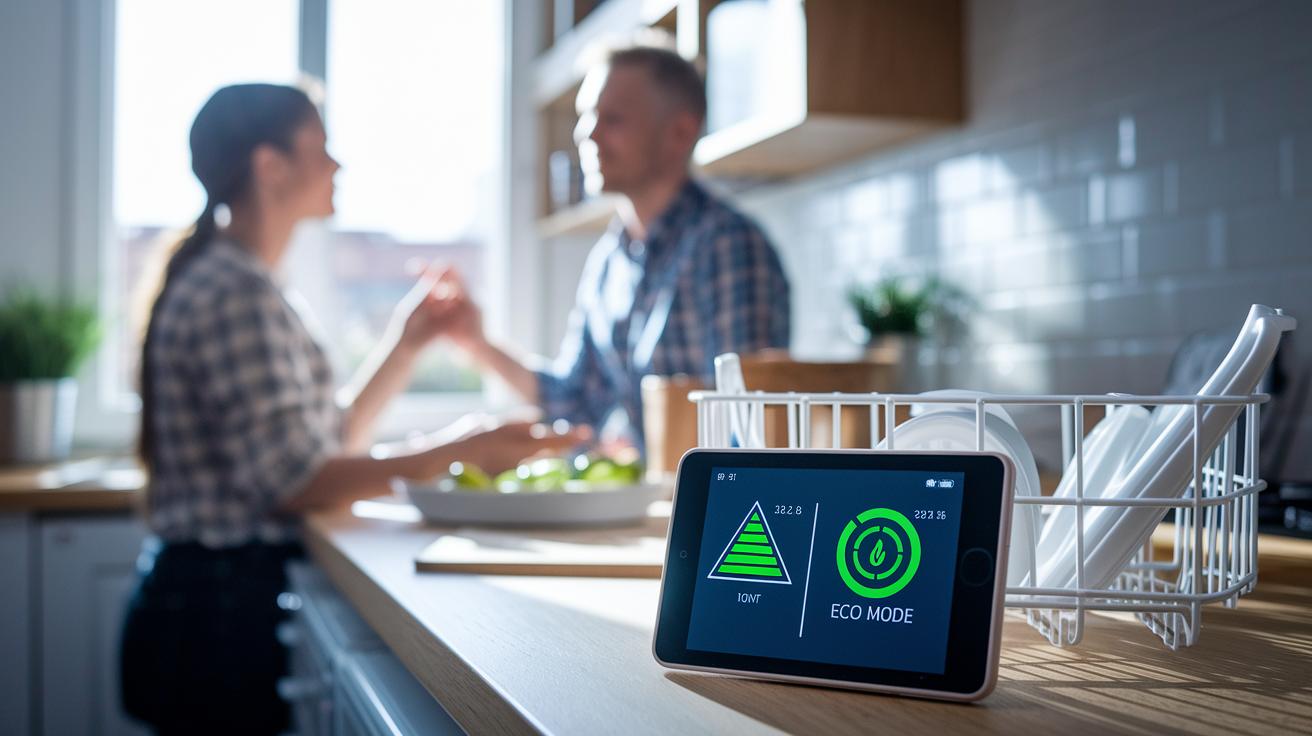
Smart dishwashers now come with clever cycle settings that save both energy and money. They adjust water temperature, detergent dose, and water volume based on how many dishes you load. This fine-tuning can cut your utility bills by as much as 30%, which is a win for both your wallet and the planet.
Many models offer eco-friendly modes that run a bit longer at lower temperatures. This extra time helps lower electricity use without sacrificing cleaning power. It’s like having a smart helper that knows just how much energy is needed for every wash.
Modern dishwashers also include real-time dashboards in their apps. These let you track water use and energy in kilowatt-hours (kWh) for each cycle. You can see exactly how many gallons are used, so you really know the machine’s impact. Some models even pause mid-cycle to mix in rain-collected water or adjust when local water demand is high.
This automated water management makes sure the dishwasher only uses what it needs. The result is a thorough clean that also helps cut down on wasted water and lowers monthly bills. It’s a design that works well for busy households and anyone who cares about the environment.
Smart Dishwasher Near-Silent Operation Technology
Top models run at a quiet 38–44 dBA (a unit for sound levels) thanks to insulated cabinets, brushless DC motors (motors that reduce friction), and sturdy anti-vibration mounts. Sensors keep an eye on any unusual shakes and will adjust motor speeds or timing automatically. For example, if the machine detects extra movement at the start of a wash, it may slow down to keep noise to a minimum.
These smart dishwashers are built with your comfort in mind. Some even come with a night mode that kicks in during off-peak hours, so the loudest parts of the cycle happen when you're not around. Picture coming home late and barely noticing the dishwasher buzzing away in the background. Every part of the design, from the high-performance sensors to the sound-proof materials, works hard to reduce noise and make your kitchen a quieter place.
This near-silent operation shows that smart dishwashers do more than clean, they adapt to your lifestyle while keeping the sound low, even during heavy cycles.
Customizable Smart Dishwasher Cycle Settings and Automated Dosing
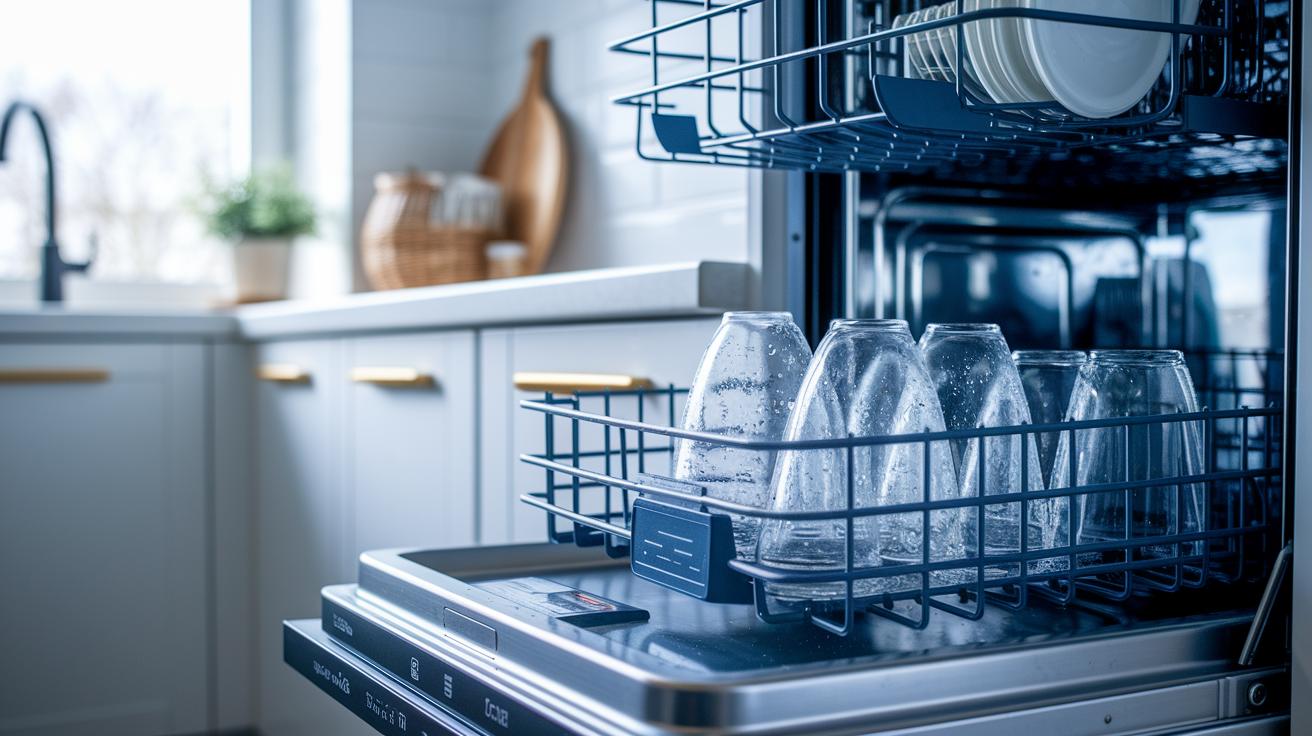
Smart dishwashers let you build wash cycles that work for your everyday needs. You can pick options like water temperature, wash power, and drying speed to create the perfect setting. For instance, you might use a gentle cycle for delicate glasses with soft water jets and slow drying, while choosing a hotter, longer wash for dirty pots.
These machines also come with a smart detergent system that checks the dirt in your dishes and adds just the right amount of pod or liquid detergent. This removes the guesswork and saves detergent by matching the dose to each load.
Some models even monitor the rinse aid in a built-in reservoir. When supplies run low, you'll get a phone alert or the system will order more automatically. With these easy-to-use settings and smart dosing, every wash is tuned for great cleaning and a smoother kitchen routine.
Smart Dishwasher Predictive Maintenance and Diagnostic Alerts
Smart dishwashers now run built-in checks before each cycle. They test the pump, heater, and valves to catch issues early. If a glitch shows up, the error code goes straight to your mobile app. This warning helps you fix problems before they get worse.
Key parts of these systems are:
- They do self-checks on main components.
- They monitor wear and signal when filters need cleaning or parts need replacing.
- They send error codes that point to potential faults.
- They offer a step-by-step guide to fix common issues, cutting down on service calls.
By scanning for problems before the cycle starts, these dishwashers reduce downtime. Predictive alerts and remote fixes ensure your appliance runs smoothly. This smart approach can lower service calls and extend the life of your machine, making upkeep almost effortless.
Weighing the Benefits and Drawbacks of Smart Dishwasher Features
Advanced smart dishwashers offer solid cleaning power and handy remote control features that many users find useful every day. Our tests show that these machines automatically adjust wash cycles based on how full and dirty the load is, which saves water and detergent. One user shared, "I can start a cycle from my phone during a work call, and it fits my busy schedule perfectly."
Below is a table that sums up the real-world upsides and downsides based on user feedback and tests:
| Pros | Cons |
|---|---|
|
Better cleaning performance Handy remote control Saves water and energy Firmware upgrades can boost features over time |
Costs 20–30% more than regular models Occasional Wi-Fi dropouts Needs regular app and firmware updates May not work well with all smart-home systems |
Users note that while the remote access and energy savings add a modern touch, connectivity glitches can interrupt smooth operation, especially in homes with gadgets from different brands. For example, one user experienced Wi-Fi dropouts during peak use, which suggests you might need a strong network setup.
Tip: If you rely on smartphone control, check your home’s network before starting a cycle. One reviewer recommended doing a quick network test to avoid interruptions mid-cycle.
Final Words
In the action, we tackled key smart dishwasher features that boost convenience and efficiency. We broke down connectivity, sensor-driven performance, and energy-saving cycles, along with near-silent operation and customizable settings. Each point showed how these devices simplify daily chores while cutting down utility bills. The review also balanced benefits against higher upfront costs and occasional tech glitches. Keep these points in mind for a smart, confident purchase decision, and enjoy the ease that modern, connected appliances bring to your home.
FAQ
What is a smart dishwasher WiFi?
A smart dishwasher with WiFi means it connects to your home network so you can start, pause, or check cycles remotely with a smartphone app and integrate with voice assistants like Alexa.
Which is the best smart dishwasher?
The best smart dishwasher blends sensor-based performance, remote control via apps, energy-saving cycles, and voice integration. Models from Samsung, Bosch, LG, and GE each deliver unique strengths based on these features.
How does a smart dishwasher app work?
A smart dishwasher app lets you control the appliance remotely. It starts and pauses cycles, sends notifications when cycles finish, and alerts you to maintenance needs, ensuring a hands-on yet convenient user experience.
What makes Samsung smart dishwashers distinct?
Samsung smart dishwashers feature robust WiFi connectivity and voice control integration. They use advanced sensors to adjust cycles, delivering efficient cleaning and energy-saving performance while merging seamlessly with your smart home setup.
What are the key features of Bosch smart dishwashers?
Bosch smart dishwashers offer sensor-driven cycle adjustments, quiet operation, energy-efficient modes, and WiFi connectivity. They adapt detergent and water use based on load size, ensuring optimal cleaning with minimal waste.
How do LG smart dishwashers stand out?
LG smart dishwashers combine remote control via mobile apps with adaptive wash cycles. They optimize water usage based on sensor input, providing a balanced approach to cleaning efficiency and ease of use in a connected home.
What does a GE smart dishwasher offer?
GE smart dishwashers provide remote cycle management, sensor-based cleaning adjustments, and diagnostic alerts. They integrate with major smart home systems and offer predictive maintenance tips to help reduce downtime.
What are the features of smart dishwashers?
Smart dishwashers come with features like built-in WiFi, sensor-driven cycle adjustments, customizable programs, remote app control, and predictive maintenance alerts. These elements work together to offer efficient and convenient cleaning.
What is the difference between a smart dishwasher and a regular dishwasher?
A smart dishwasher offers connectivity through WiFi, sensor-based cycle customization, and remote control via apps, while a regular dishwasher uses pre-set, fixed cycles with no integrated connectivity or advanced diagnostics.
Why should you put a bowl of vinegar in your dishwasher?
Adding a bowl of vinegar in your dishwasher helps remove residue and odors. This natural cleaning method keeps the appliance working efficiently and prevents buildup, enhancing overall performance.
What are the pros and cons of smart appliances?
Smart appliances offer added convenience, tailored cleaning cycles, and energy monitoring through remote apps. However, they come at a higher cost, may face occasional connectivity challenges, and require periodic software updates.