

Ever thought your dishwasher might know when it needs an extra rinse? Picture appliances that tell when your laundry is truly dry, watch your energy use right away, and move heavy tasks to cheaper times. These smart features aren’t just neat tricks, they help lower bills and save energy. In this post, we break down the key features that can turn your home into a smarter, more efficient space. Small tweaks can truly make a big difference.
Top Essential Smart Appliance Features for Smart Buys
- Automated sensor technology uses built-in sensors to tell when laundry is dry or when a dishwasher might need an extra rinse. This helps cut down on wasted water and energy.
- Real-time energy monitoring shows your current power use so you understand how much energy your appliance draws right away.
- Peak demand management and smart scheduling shift heavy-load cycles to off-peak times when energy costs are lower.
- Adaptive learning technology watches your household routines and fine-tunes the appliance operations automatically to save energy.
- Variable capacity technology works like a dimmer switch to adjust power output precisely, giving you better control over energy use.
- Weather-based optimization uses local forecast data to adjust settings in advance, making systems like your HVAC more efficient.
- Preventive diagnostic alerts continuously check appliance performance and warn you of potential issues before they lead to costly repairs.
These smart features come with solid, test-backed benefits. They help lower water and energy use while keeping your appliances running smoothly. Choosing products with these capabilities means you invest in long-term savings and convenience. Have you ever seen a dishwasher change its cycle on its own? That kind of smart, hands-on innovation really makes a difference every day.
Smart Appliance Energy Management and Efficiency Controls

Smart appliances help you save money and reduce energy waste. They keep an eye on your power use in real time (tracking usage as it happens) and shift heavy tasks to times when electricity is cheaper. They even adjust settings based on the weather, so your home runs efficiently no matter what. Tests show you can save about $100 to $300 every year.
| Feature | Benefit |
|---|---|
| Real-time monitoring | You get instant feedback on energy use |
| Peak scheduling | Heavy tasks run during lower-rate times |
| Weather-based optimization | Adjusts settings using local weather data |
| Variable capacity technology | Keeps motors and compressors running just right |
This table gives a clear look at how each feature works to cut energy costs and boost efficiency.
Connectivity and Control Options for Smart Appliances
Smart appliances talk to your home network using standards like Wi-Fi, Bluetooth, Zigbee (a low-energy protocol) and Z-Wave (another low-energy option). Wi-Fi lets your device connect over long distances with your router, while Bluetooth works best when you’re nearby. Zigbee and Z-Wave use less power, making them a solid pick if you want to link many devices without draining the battery.
You can control these gadgets with different methods:
- smartphone apps
- voice assistants (like Alexa or Google)
- touchscreen panels
- gesture control
- web dashboards
Before you buy a smart appliance, check that its connection types match your home network and support remote control. Devices that meet these standards get updates and work well with apps, voice commands, touchscreens, gestures, and online dashboards. Choose models that give steady performance and strong signals. Appliances built on common standards are easier to integrate and tend to be more reliable.
It pays to read user reviews and check testing results. Good connectivity makes daily tasks simpler and helps avoid glitches that might interrupt your routine. Reliable systems make smart home upgrades smoother every day.
Advanced Sensor and Automation Technologies in Smart Appliances
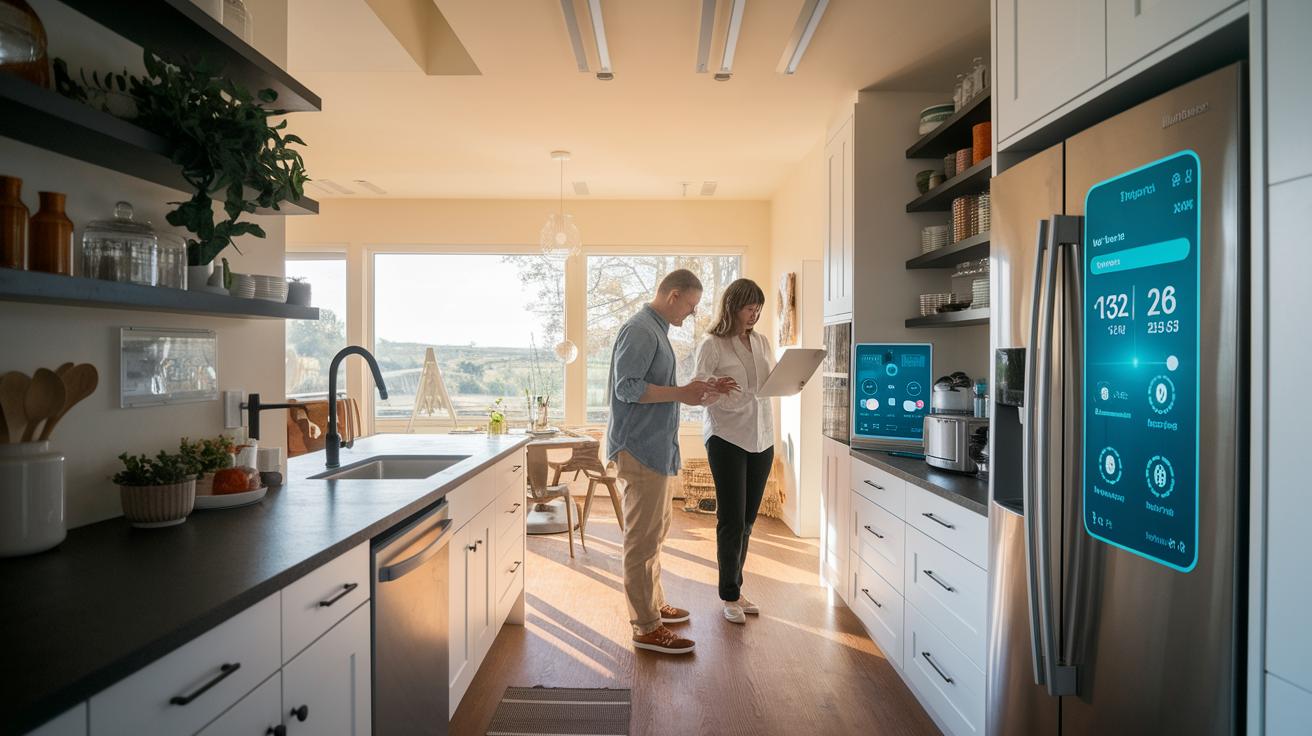
Modern smart appliances use several sensors to check humidity, temperature, and load. They mix these signals to boost efficiency and cut waste. For example, commercial dishwashers now fine-tune their rinse cycles based on moisture levels, saving up to 15% water.
Adaptive Learning Systems
Appliances with adaptive learning adjust their cycles by studying real use patterns. One user mentioned, "My washer now adjusts its water intake perfectly for heavy loads after several weeks." This system goes beyond fixed settings by using real data to improve both energy use and overall performance.
Predictive Scheduling Algorithms
Some appliances plan their runs by looking at local utility rates and weather conditions. For instance, certain dryers start when electricity is cheaper and the weather is right, which cuts energy use without lowering performance. With these smart tools, users spend less time making adjustments, and the appliances work hard to last longer.
Maintenance Alerts and Security Features in Smart Appliances
Smart appliances take care of you by keeping an eye on themselves. They run constant self-checks and update automatically so you always know what's going on. You might even get a heads-up with real-time alerts if something seems off, and small issues get fixed without you having to do a thing.
Maintenance features include:
- preventive diagnostic alerts: These checks look for signs of wear or trouble, letting you know when something might need attention
- OTA firmware updates: This feature updates the system automatically with small fixes and new functions so the device works well without you doing extra work
Security measures cover:
- encrypted data channels: Your data is scrambled (or coded) as it moves between the appliance and your other devices, keeping it safe
- secure boot processes: The appliance checks its core software every time it starts so that no harmful changes slip in
- user authentication options: These add a layer of safety by making sure only someone with the right login can change settings or access key features
Together, these functions help keep your appliances running smoothly and safely. They fix small problems before they grow and guard against security risks. This means you can trust your smart home to work reliably every day.
Integrating Smart Appliances into Connected Home Ecosystems

When you update your home with smart devices, it’s key that they work well together. Appliances that sync with systems like SmartThings, HomeKit, and Alexa can easily share information. This smooth talk between products makes managing your home simpler and saves you time setting up or fixing issues.
- Check that your device supports common protocols (like Zigbee or Z-Wave).
- Look for devices with open APIs, which let different gadgets share data.
- Use hubs or platforms that let you control everything from one place.
- Make sure the devices get regular firmware updates for security and performance.
- Plan ahead to ensure your network can handle more devices as you expand your setup.
Following these tips makes daily tasks easier and helps your smart home grow without extra headaches. It sets you up for a system that stays fresh with new technology over time.
Final Words
In the action, we covered must-have features such as energy savings, hands-on connectivity, smart automation with sensor inputs, and preventive maintenance. These points show how real-time monitoring, peak scheduling, and adaptive learning can lower costs and boost efficiency.
Each section builds a clear picture of essential smart appliance features to consider. Rely on these insights to choose a device that meets your needs and adds value to your everyday use.
FAQ
What essential smart appliance features should I consider for brands like Whirlpool and Samsung?
The essential features include energy monitoring, automated sensor technology, smart scheduling, adaptive learning, and remote control. They help optimize efficiency and prevent energy waste while offering practical functionality.
What smart features do Whirlpool appliances and their app offer?
Whirlpool smart appliances provide remote control capabilities, energy monitoring, and diagnostic alerts. Their app enables users to track energy use, manage schedules, and receive maintenance notifications for improved appliance performance.
What smart features are available in a smart refrigerator or Whirlpool refrigerator?
Smart refrigerators offer real-time energy monitoring, adjustable cooling systems, inventory tracking, and remote control features. Whirlpool models also include automated sensor adjustments and proactive alerts for efficient food preservation and upkeep.
What are the features of smart appliances and smart devices?
Smart devices feature real-time energy monitoring, automated sensor controls, adaptive learning for optimized performance, and remote connectivity. These functions help reduce waste, lower utility bills, and simplify appliance management.
What is the 50/50 rule for appliances?
The 50/50 rule for appliances is a guideline suggesting that energy-efficient models should ideally cut energy consumption by about half compared to older units, making them a more cost-effective investment over time.
What are the five major appliances?
The five major appliances typically include refrigerators, ovens, dishwashers, washing machines, and dryers. These core household systems handle food storage, cooking, cleaning, and laundry, forming the backbone of daily home routines.