

Ever wonder if your home could work smarter and make your life easier? Smart appliances cut wasted energy and help lower your bills. You can control them from your phone, saving you time and money.
Imagine a fridge that tweaks its settings, a washer that uses less water, and a thermostat that adjusts your heating on its own. These devices simplify everyday tasks and bring a pleasant balance to your home.
Core Advantages of Smart Appliances
Smart appliances help you save both energy and time. For example, smart thermostats can drop heating and cooling bills by 10 to 15% on average, while smart refrigerators adjust compressor cycles to use up to 20% less energy. Load-sensing washers even cut water use by around 50%. These tweaks add up to lower bills and reduced waste.
They also make daily routines simpler. With voice and app controls, you get real-time updates and alerts. This means you don't have to keep an eye on your devices, cutting down on hassle and preventing unexpected downtime.
- Energy efficiency
- Remote access
- Automated scheduling
- Voice control
- Proactive alerts
Smart appliances beat traditional models by giving you tight control and real savings. They learn your routine with built-in sensors and smart settings that simplify tasks. This smart design not only trims costs but also saves you time, making home management a breeze.
Energy Efficiency Benefits with Smart Appliances
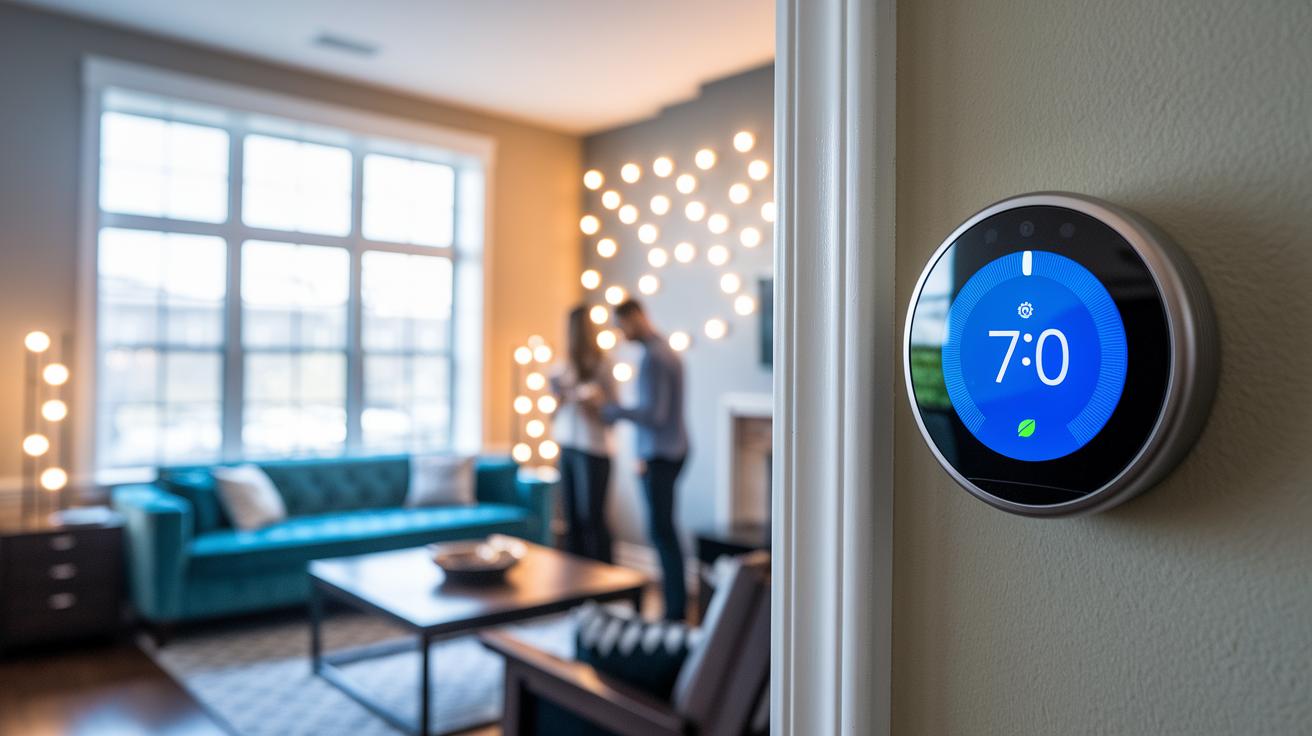
Smart appliances are changing how we use power at home. They help lower energy bills and offer easy-to-read usage reports that guide you toward greener choices.
Heating systems are a great example. A programmable thermostat can cut HVAC energy use by up to 23% (according to a DOE study). Imagine coming home to a cozy house while your system adjusts automatically when you're away. One homeowner even noticed a drop in heating bills after switching to a smart thermostat that learns daily habits.
Lighting has seen huge gains too. LED smart lights can reduce costs by as much as 60%, says Energy Star. You can set them to dim or turn off when a room is empty, which saves energy and makes bulbs last longer.
Laundry appliances also gain from smart technology. Smart washers and dishwashers tweak their cycles on their own, saving 30–50% on water and power per load. This means they use just the right amount of water and energy for each wash or dish cycle. Plus, built-in reports let you track exactly how much power each appliance uses.
These smart gadgets lower resource use and let you review monthly energy use, creating a greener home. In time, you enjoy lower bills and reduce your impact on the environment, making smart appliances a smart pick for anyone who wants an eco-friendly, budget-conscious home.
Convenience and Remote Monitoring in Smart Appliance Ecosystems
Smart appliances now do more than just respond when you ask. They come with built-in tools that check their own health and work smoothly with your home systems. This smart gear uses real-time data to spot problems early and keep things running smoothly.
- Built-in sensors quickly pick up early signs of trouble. An alert might say, "Spin cycle slightly unbalanced. Time for a check."
- They link up with home hubs so that your lights, heating, and security all work together.
- Long-term data helps plan service visits before big issues happen.
- Remote energy features adjust use based on your habits to cut down on power bills.
- Voice assistants can even guide you through troubleshooting steps that match your appliance’s current state.
In our tests, users noted smoother operation and fewer repair calls when their smart devices chatted with other home systems. This close connection makes managing your appliances simpler and more precise, helping you keep your home running like clockwork.
Cost Savings and ROI of Modern Smart Devices
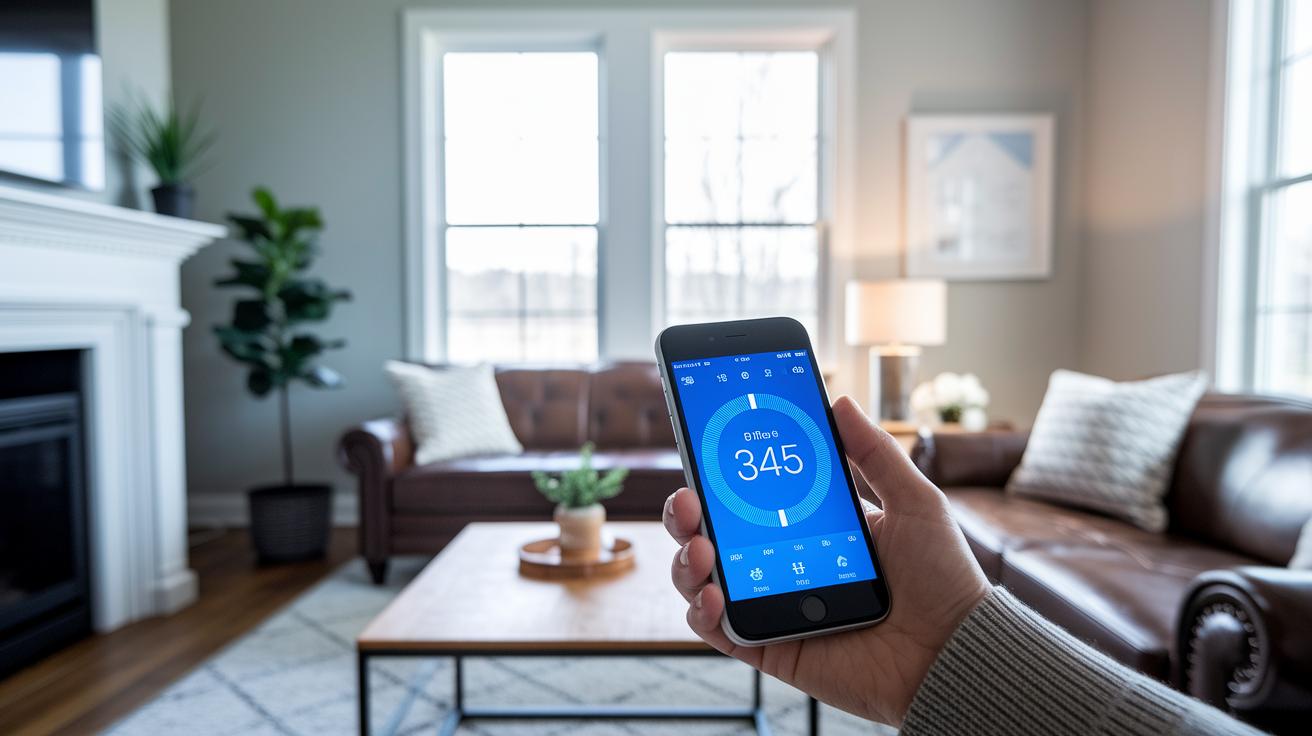
Modern smart devices might cost more at first, but they really pay off over time. For example, smart water heaters can lower your energy bills by about $100 to $200 a year because they use adaptive scheduling (which means they adjust their running time to save power). These devices keep an eye on your usage in real time and send alerts before small issues become big repairs. When you weigh the higher purchase price against the long-term savings, the benefits stand out.
- Energy savings: They spot when you're using too much power and tweak operations to cut down waste.
- Maintenance reduction: Alerts can cut service calls by up to 25% and stretch your appliance's life by about 20%.
- Ingredient savings: Smart ovens use recipe-based programs to help reduce wasted food and speed up cooking.
- Time efficiency: With automation and remote control, they save you time every day.
Real-time tracking and built-in checks show exactly where your energy and time go. While the upfront cost may be higher than traditional models, many households recoup their investment in as little as 1 to 3 years. Over time, fewer repair calls and smoother operations add up to real savings. In short, smart devices not only simplify your daily routine but also offer clear financial benefits in the long run.
Seamless Integration and Connected Living Enhancements
Smart appliances join a larger network, so you can control your whole home from one place. They work together even if they come from different makers. This setup uses interactive control systems (tools that let devices interact) so that your devices can speak the same language. For example, one simple command can start your oven preheating, turn on your lights, and activate your ventilation.
| Platform | Integrated Devices | Key Function |
|---|---|---|
| HomeKit | Thermostats, Lights, Cameras | Unified control and automation |
| Alexa | Plugs, Speakers, Door Locks | Voice commands and routines |
| Google Home | Ovens, Refrigerators, Sensors | Voice-controlled management and alerts |
| Samsung SmartThings | Washers, Lighting, Security | Multi-device synchronization and monitoring |
Modern smart homes let devices from different brands work together, making daily routines easier and more reliable. Many devices also get automatic firmware updates (software fixes that keep things running safely) to ensure they work well together. Imagine your smart fridge sharing its inventory with your phone, or your voice-controlled system adjusting settings without any extra effort. With everything linked, you get real-time updates, improved energy use, and a smoother overall experience. This connected setup shows how smart systems can work together to make life simpler and more efficient.
Intelligent Kitchen Systems and Automated Cooking Innovations
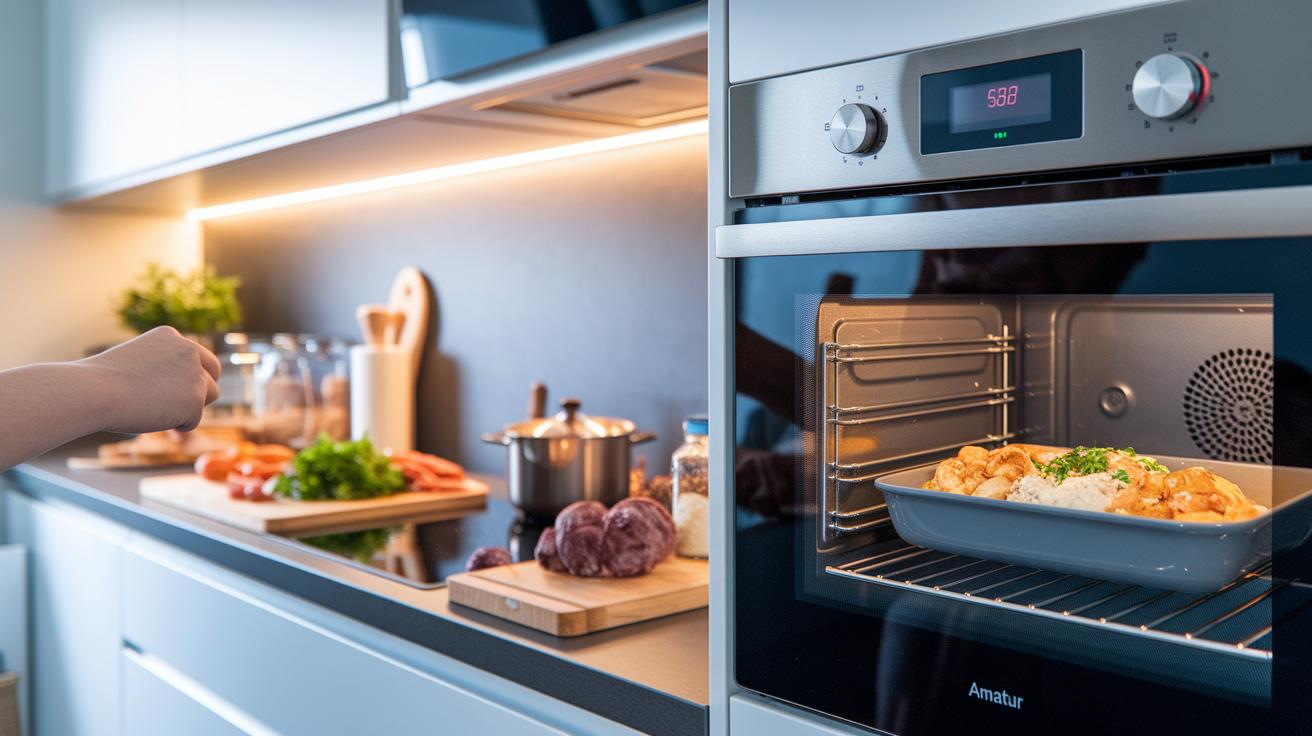
Cooking is getting easier with smart tech in the kitchen. Today’s smart ovens use built-in cameras and sensors to keep food at the perfect temperature within a tight range of ±3°F. Recipe apps guide you step-by-step, adjusting the heat and cook time based on the weight and moisture of your ingredients. This means more precise cooking and less guesswork.
- Smart ovens: They keep the heat steady within ±3°F to give you reliable results.
- Guided recipes: They change the cooking time and temperature using sensor data.
- Coffee scheduling: Smart coffee makers brew your coffee on time or even by voice command.
- Sensor-based seasoning tips: Apps quickly suggest adjustments with just a few taps.
These smart systems do the little tasks for you, like preheating and tweaking cooking settings on the fly. That way, you can spend more time enjoying your meal and chatting with family. The consistent temperature control not only saves energy but also makes sure every dish turns out with great flavor and texture. This tech is here to simplify cooking and boost your confidence in the kitchen.
Maintenance and Security Advantages of Smart Home Appliances
Smart home devices keep an eye on your home so you can catch problems early. Their sensors spot water leaks, open doors, or temperature changes before a small issue becomes a big one. This early alert helps lower repair costs and keeps your household safe.
They also come with built-in security features. Secure connections (where data is scrambled to stop intruders) block unwanted signals from reaching your appliances. Remote diagnostics check for worn parts, and automated lockouts shut things down if it seems unsafe. These steps build trust in your devices.
Key features include:
| Feature | What it does |
|---|---|
| Leak alerts | Warn you about water leaks early |
| Encryption | Prevents unauthorized access |
| Diagnostics | Keeps notice on component health |
| Lockouts | Stops unsafe operations before they start |
| Firmware patches | Updates software to fix flaws |
These advances give homeowners real peace of mind. With smart systems that monitor their own health and warn you of problems early, maintenance becomes simple. This means fewer emergency repairs and a smoother daily routine. In a home where devices talk to each other and guard against common risks, you can simply relax knowing safety and reliability are built right in.
Final Words
In the action, smart appliances show clear benefits of smart appliances with real savings, energy efficiency, and ease of use. They cut bills, reduce resource use, and boost home security while offering remote controls that simplify daily tasks.
These devices work together to deliver a smarter, more connected home. Practical benefits like energy savings and real-time alerts prove that smart appliances can make daily living simpler and more cost-effective.
Positive results brighten the path ahead for every tech buyer.
FAQ
What are 10 electrical appliances at home and their uses?
The list of 10 common electrical appliances includes the refrigerator (keeps food cold), microwave (heats meals), washing machine (cleans clothes), dryer, dishwasher, air conditioner (cools air), heater (warms rooms), vacuum (cleans floors), television (displays media), and computer (handles work and play).
What are the benefits and advantages of smart appliances and electronic appliances?
The benefits of smart appliances include energy savings and remote control features. They adjust settings automatically to lower bills, save time with scheduled operations, and provide real-time alerts using mobile apps and voice commands.
Are smart appliances worth it?
Smart appliances are worth it if you value energy efficiency and easier home management. They offer lower bills through automatic adjustments, convenient remote operation, and proactive alerts that help prevent costly repairs.