

Have you ever wondered if your smart speaker can turn your living room into a concert hall? We put a few of them to the test in real-world settings to see which one fills a room with clear, crisp sound and responds naturally when you speak. Think of it like choosing between a smooth ride and a bumpy one. This guide compares each model based on sound quality, ease of setup, and price so you can find the right fit for your home. Ready to hear the difference?
Smart Home Speakers Comparison and Selection Guide
We tested our smart speakers under real-life conditions. In our lab, we measured how loud they get up to 30 feet away, checked how well they understand voice commands, and looked at how easy the app is to use. We also measured how clearly each speaker fills a room with sound and how smoothly it works with other devices for streaming music in multiple rooms. I even timed how fast a simple command like "play jazz" was picked up to see which speaker responded with a natural feel.
The smart home audio market has many options for different budgets and needs. We looked at price, sound quality, and ease of setup. Think of it like picking out a car by checking its fuel efficiency, comfort, and features. At $220, the Amazon Echo Studio gives a rich and balanced sound. The Echo Spot at $80 is great if you are watching your budget. The Google Nest Mini (2nd Gen) at $49 is perfect for those who like using Google Assistant, and the Apple HomePod mini at $99 is ideal if you use HomeKit. If you have a large room, the Sonos Era 300 at $479 fills the space with quality sound. The Bose Portable Smart Speaker at $319 stands out when you need something you can easily move around.
| Model | Price | Best For |
|---|---|---|
| Amazon Echo Studio | $220 | Best overall |
| Echo Spot | $80 | Budget option |
| Google Nest Mini (2nd Gen) | $49 | Google Assistant users |
| Apple HomePod mini | $99 | HomeKit integration |
| Sonos Era 300 | $479 | Large rooms |
| Bose Portable Smart Speaker | $319 | Portability |
When choosing a speaker for your setup, think about room size, what features you need, and your budget. A speaker that blasts strong sound is best for a large living room, while a smaller speaker might work better in a bedroom. Use this guide to quickly find the device that matches your audio needs.
Smart home speakers: Superior Sound and Setup
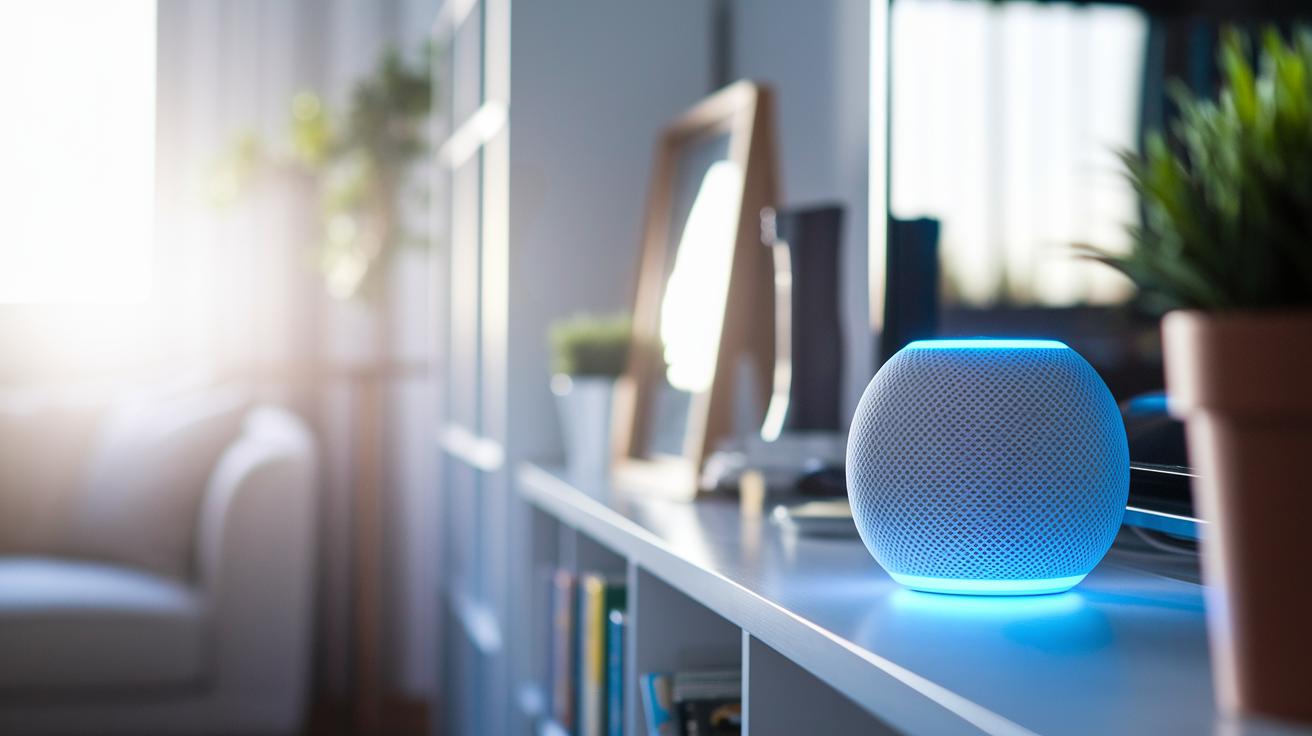
Smart speakers mix great audio with hands-free voice control. They have built-in microphones and digital assistants that understand your voice as if you were chatting with a friend. Our tests show they deliver crisp sound with multiple drivers and Dolby Atmos (a sound tech that makes audio feel 3D), giving you clear details and deep bass even in larger rooms.
- Voice command recognition: picks up what you say quickly and accurately.
- Sound quality metrics: checks how well the drivers work and how clear the sound is.
- AI-driven tuning: adjusts the sound (EQ) on the fly based on your room.
- Connectivity protocols: makes Wi-Fi music streaming smooth and keeps devices connected.
- Multi-room streaming: syncs audio across several speakers so every room sounds the same.
These smart features make day-to-day tasks easier and boost your listening experience. Whether you're asking for a weather update or setting the mood for dinner, clear voice commands and smart EQ tweaks ensure your requests are met with solid performance. Plus, with strong connectivity and multi-room streaming, smart speakers fill your home with quality sound and mesh effortlessly with your routine.
Smart Home Speakers Pricing and Budget Considerations
Smart home speakers come at different price points. Lower-priced options, like the Google Nest Mini at $49 or the Echo Spot at $80, deliver basic voice controls and clear sound in small rooms. They cost under $100.
Mid-range models fall between $100 and $300, with options like the HomePod mini for $99 and the Echo Studio for $220. These speakers offer better sound quality, sturdier build quality, and features like multi-room audio streaming.
Higher-end speakers, such as the Sonos Era 300 at $479 or the Bose Portable Smart Speaker at $319, bring enhanced drivers (parts that produce sound), richer audio, and even smart home hub functions in some cases.
Price differences reflect changes in driver counts, build materials, display features, and extra functions. Budget models have the essentials, while premium speakers deliver advanced tuning and extra capabilities. Test results show that well-built units perform best in larger spaces, and even portable speakers can impress.
Pick a speaker based on your room size, the sound quality you expect, and the features you need. Basic options are great for small spaces, while mid-to-premium speakers offer a fuller experience.
Compatibility and Integration for Smart Home Speakers

Smart home speakers need to work well with your other devices. They do more than just play music; they help control lights, plugs, and even security systems. When your speaker fits right into your setup, your smart home runs smoother.
Amazon Alexa Ecosystem Integration
Echo devices like the Echo Dot Max have a built-in Zigbee hub (a tool for connecting smart home gadgets). This means you can control sensors, bulbs, and locks directly without extra hardware. You can also set up Alexa routines to plan your day and use new AI features for more natural voice responses.
Google Assistant Ecosystem Integration
Nest speakers, such as the Nest Hub, connect through the Google Home app. This link makes it easy to manage devices like smart plugs and lights. Plus, Google Assistant routines let you run a series of actions with a single command. Soon, Gemini for Home will add new features that make the system even more efficient.
Apple HomeKit Ecosystem Integration
HomePod uses HomeKit protocols to securely pair with iPhones and Apple TV. This setup lets you create HomeKit scenes that control several devices at once while keeping your privacy safe. When paired with a HomePod mini and Apple TV, you get a full stereo sound experience that boosts both music playback and smart home control.
Before you buy, think about which ecosystem matches your current devices. Whether you choose Alexa, Google, or HomeKit, the right fit makes managing your smart home much easier.
Setup and installation guide for smart home speakers
Start by powering up your smart speaker and launching its mobile app. Plug in the speaker and let it join your home Wi-Fi network. Once connected, link the speaker to your voice assistant account to enable hands-free commands. Use the app to assign the speaker to a specific room. This helps the speaker pick up your voice clearly. Run a quick microphone test to check the voice command settings.
Next, set up multi-room streaming. Use the app to add all your speakers into one group, giving each room its own label. This makes sure that music plays at the same time everywhere and keeps the sound even as you move around your home. A good group setup helps avoid issues like delays or uneven volume.
Finally, check for firmware updates in the app. Updates can improve performance and help your speaker understand your voice better. Follow the on-screen instructions to update, then test features like custom voice training. These steps ensure your smart speaker runs smoothly and is always ready for your commands.
Deep Dive Reviews of Smart Home Speaker Models
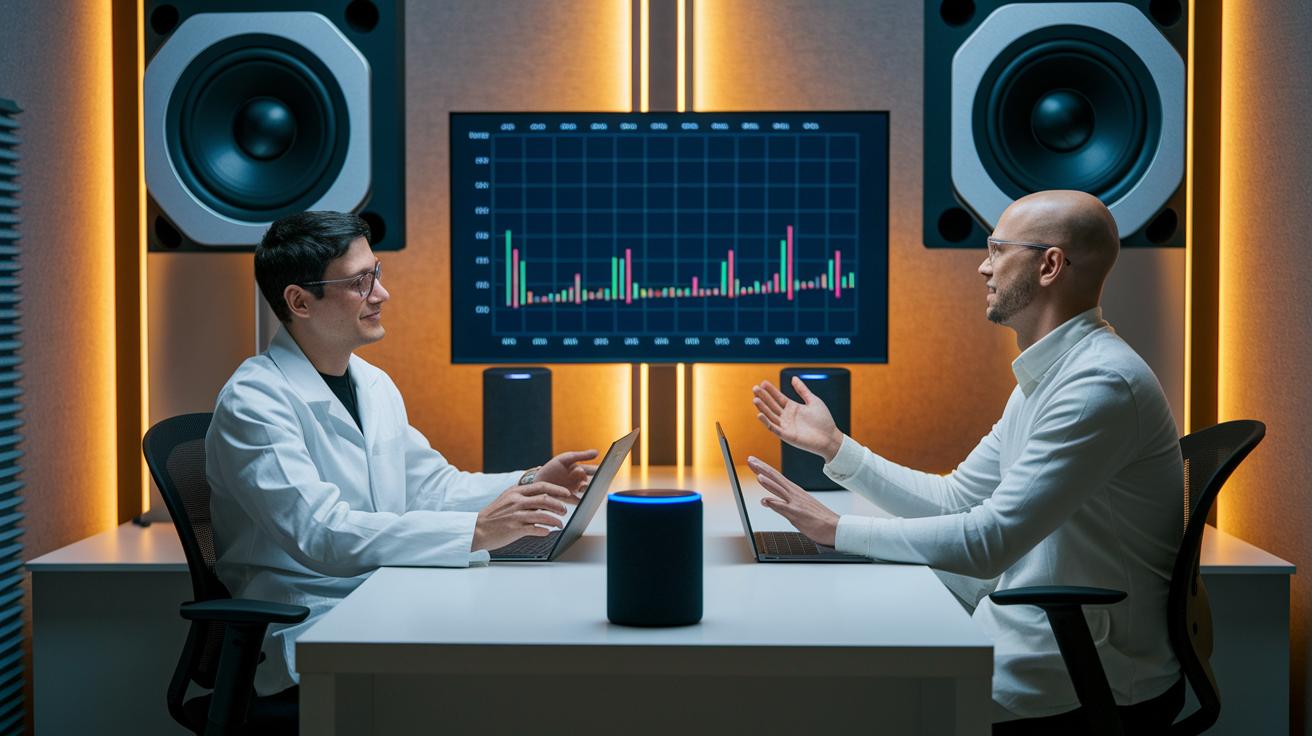
We tested these smart speakers in our lab to see how they perform in real life. We checked how clear the sound is from different distances, measured how fast each speaker responds to voice commands, and made sure they work well with smart home systems. Our side-by-side tests let us see key differences in sound drivers, control layouts, and smart features.
Amazon Echo Series
The Echo Dot Max shines with better sound and easy-to-reach front controls. It lets you get to your favorite features fast. Echo Studio offers a rich driver setup and well-balanced audio. It is a solid choice if you want good sound without extra bells and whistles. Then there’s Echo Hub. Priced at $180, it boosts smart home control with a built-in Zigbee hub (a device that connects smart home products) and the newest Alexa+ AI upgrades. These upgrades help smooth out routines and speed up command responses.
Google Nest Series
Nest Audio delivers a clear bass in a small, neat design, perfect for tight spaces. The Nest Mini (2nd Gen) remains a strong pick for fans of Google Assistant. The Nest Hub Max steps it up with a 10-inch screen that also works as a digital photo frame. With the upcoming Gemini for Home upgrade, Google is working to improve smart features and voice accuracy even more.
Apple HomePod Family
The HomePod (2nd Gen) offers high-fidelity sound and smooth HomeKit integration (Apple’s smart home system). The HomePod mini gives you similar clear sound at a friendlier price. Both models are great if you use Apple devices and care about privacy in your smart home.
Sonos and Bose Premium Units
Sonos Era 100 gives you great sound and better microphone performance. The Era 300 is built for bigger rooms. On the Bose side, the Portable Smart Speaker is truly portable and delivers premium sound. Meanwhile, the Authentics 200 impresses with clear midrange tones and a balanced overall sound.
In short, choose the speaker that balances sound quality, smart features, and price for your own home needs.
Smart Home Speakers Use Case Scenarios
Smart home speakers work well in many rooms. In the kitchen, for example, devices like the Echo Show 11 or Nest Hub (2nd Gen) help with recipes and give quick news updates on clear touchscreens. In the living room, these speakers let you control lights, play background music, or check simple settings with just your voice. They are perfect for beginners who want easy news, weather, and music without complex setups.
These speakers also have special features for different spaces. In the bedroom, a Nest Hub can track your sleep and set alarms easily. Music lovers can enjoy richer sound from the HomePod (2nd Gen). Kids get a fun experience with the Echo Dot Kids, and even bathrooms work well with an Echo Dot or Nest Mini for timers and audio cues. In an office, a Nest Hub Max handles video calls and calendar reminders, making work feel a bit smarter.
Troubleshooting and maintenance for smart home speakers

If you run into Wi‑Fi dropouts, channel conflicts, or problems with voice commands, start by checking your network connections and reassigning channels when needed. Often, retraining the microphone fixes voice recognition issues, and a factory reset or a manual firmware update can clear up bugs. These quick fixes often resolve many connection problems and help your smart speaker play nicely with the rest of your smart home setup.
Regular upkeep is essential to keep your speaker working well. A simple reboot and a routine software check can prevent unexpected lapses in performance. Running basic diagnostics and keeping an eye on user feedback can also provide clues to common fixes and overall system reliability. This proactive approach keeps your speaker ready for your commands and helps your home network run without interruptions.
Final Words
In the action, we broke down everything from testing methodology to real-world integration and troubleshooting. We reviewed smart home speakers across price points, detailing audio quality, ecosystem compatibility, and setup ease.
We offered clear steps to match devices to unique needs and budgets. The guide steers you through sound quality, voice assistant use, and daily performance. Positive results from our thorough comparisons help you shop smart and enjoy a great setup.
FAQ
Frequently Asked Questions
What are some of the best smart home speakers?
The best smart home speakers vary by need. Testing shows the Echo Studio offers outstanding audio, Echo Spot is great on a budget, and Google Nest Mini suits those who prefer Google Assistant integration.
How do smart home speakers differ from Bluetooth speakers?
Smart speakers connect through Wi‑Fi, run built‑in voice assistants, and manage home devices, while Bluetooth speakers only play audio streamed from a paired device.
Which smart speakers feature built-in screens?
Speakers with built‑in screens, like the Nest Hub and Echo Spot, display visuals and support touch controls alongside voice interactions for better hands‑on use.
What Amazon smart home speakers are available?
Amazon’s lineup includes the Echo Studio, Echo Spot, and Echo Dot series, all integrating Alexa routines and, in some models, built‑in hubs for smart home device control.
What functions does a smart speaker perform?
Smart speakers play music, answer questions, control connected devices, and manage everyday tasks with voice commands, making daily routines smoother and more interactive.
Are there any smart speakers that feature ChatGPT?
Some new models and firmware updates now incorporate ChatGPT‑like AI features, offering more natural, conversational responses to boost the smart speaker’s interactive capabilities.
Is there a device better than Alexa?
Some users find that speakers using Google Assistant or Apple’s voice system better match their ecosystem needs, offering alternative features and smart home integrations that may suit different preferences.
What features does a Google Home speaker offer?
Google Home speakers use Google Assistant to control smart devices, stream music, answer questions, and support multi‑room setups, making them a strong choice for a connected home.