

Ever thought about a home that runs itself? Smart home tools do more than look cool. They cut down on chores and help save energy.
Imagine switching your lights, thermostat, or security system with just your voice or a quick tap on your phone. We tested a few setups and found that simple controls can make your day run smoother.
These gadgets team up using Wi-Fi and Bluetooth (short-range wireless connections). They work with smart locks and even kitchen tools to keep your home safe and easy to manage.
In short, smart devices make everyday tasks simpler and help keep your home secure.
Smart home appliances: Enjoy Modern Living
Smart home devices are internet-connected gadgets that make everyday tasks easier. They let you control things like lights, security, and temperature from your phone or voice assistant. You can check on your home even when you’re away, which helps with both safety and energy use.
These devices cover many types, from smart locks and thermostats to security systems, plugs, and even kitchen tools. They work with voice systems like Alexa, Google Assistant, or HomeKit. When you look at their reviews, you'll see clear lists of features, easy comparisons, and useful tips on installation, pricing, and energy savings.
Up next, the article takes a closer look at how these products perform in real life. We break down connectivity standards, share detailed reviews, and offer simple installation and setup guides. This roadmap is here to help you pick smart home appliances that match your needs and make your modern life simpler.
Connectivity Standards and Protocols for Smart Home Appliances
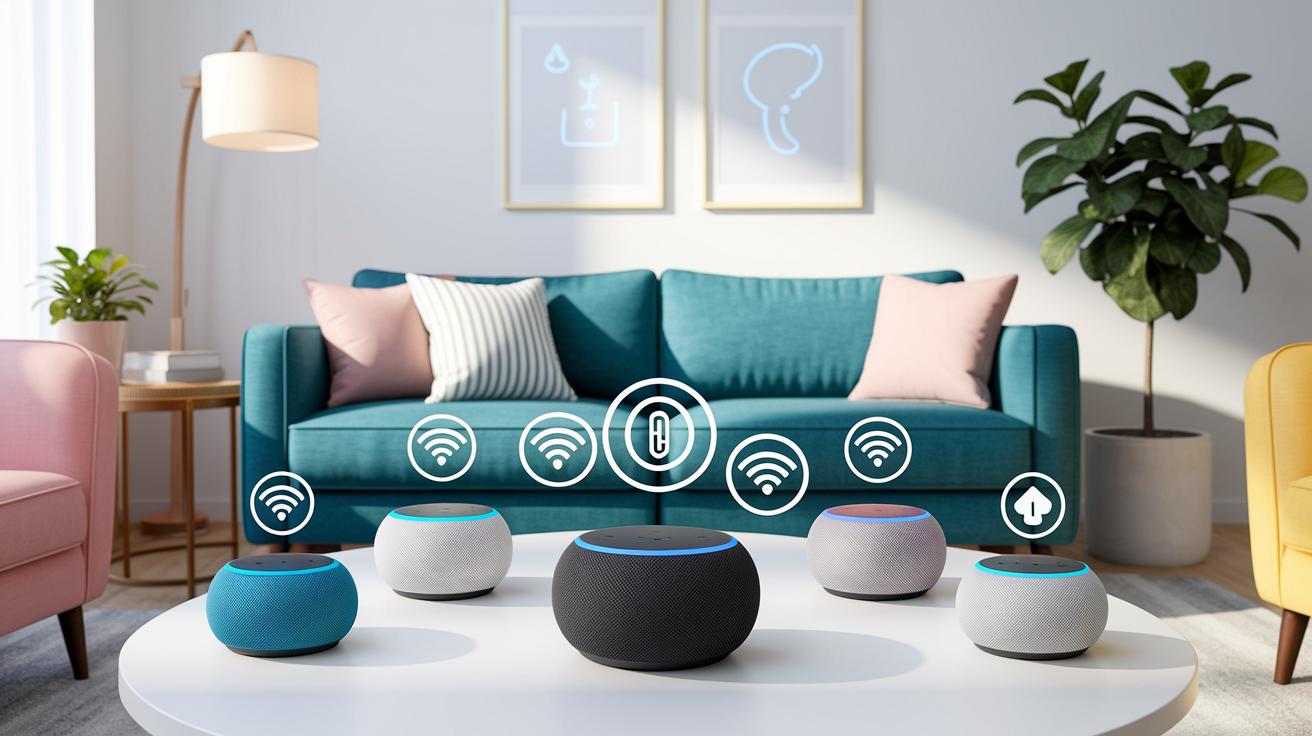
Smart home devices connect using familiar signals like Wi-Fi and Bluetooth, and they even work with new standards like Matter. This helps your gadgets talk to each other and sync with voice assistants like Alexa, Google Assistant, and Apple HomeKit.
More devices today use systems like Thread (a low-energy way for gadgets to communicate) and Zigbee (another wireless standard) so everything works together smoothly. They help make your home feel truly connected.
- Fast voice commands with built-in assistants
- Easy pairing across different brands
- Smooth data flow between devices
- Little lag when switching commands
- Unified control for your entire home
To keep your smart home safe, start by giving each device a strong, unique password and keep its software up to date. Set your Wi-Fi to use strong encryption and check that your router’s security settings are current. You might even want a separate network for your smart devices. This way, you reduce the risk of unwanted access and keep your data safe while your devices chat with each other.
Core Categories of Smart Home Appliances for Every Home
Smart home devices make everyday life easier. They let you control your home with a tap on your phone or a simple voice command. These gadgets handle many tasks. They can keep your food fresh or clean your floors without any hassle.
With smart fridges that track what you have, washers that send you alerts, and ovens that even take recipes from afar, every room can use a bit of modern help. You can pick and choose appliances that match your style and needs.
| Category | Key Features | Example Product |
|---|---|---|
| Refrigeration | Voice control, keeps track of your inventory | SmartFridge Ultra |
| Cleaning | Maps your home, cleans specific areas, spot cleaning | RoboVac Max |
| Laundry | Schedule washes remotely, sends notifications, cares for fabrics | LaundryPro Smart Washer |
| Cooking | Receives recipes, preheats for you, cooks multiple dishes | CookMaster Smart Oven |
| Climate Control | Works with thermostats, saves energy, uses smart sensors | ClimateEase Smart Thermostat |
Your choice of devices depends on your lifestyle and how your home is built. Some might need a fridge that watches over their groceries. Others might prefer an oven that lets them cook from a distance. Look at the special features like automatic controls, mobile alerts, or voice commands. This way, you can set up your home to work exactly how you want, making everyday tasks simpler and more fun.
Top Smart Home Appliances: In-Depth Reviews and Recommendations
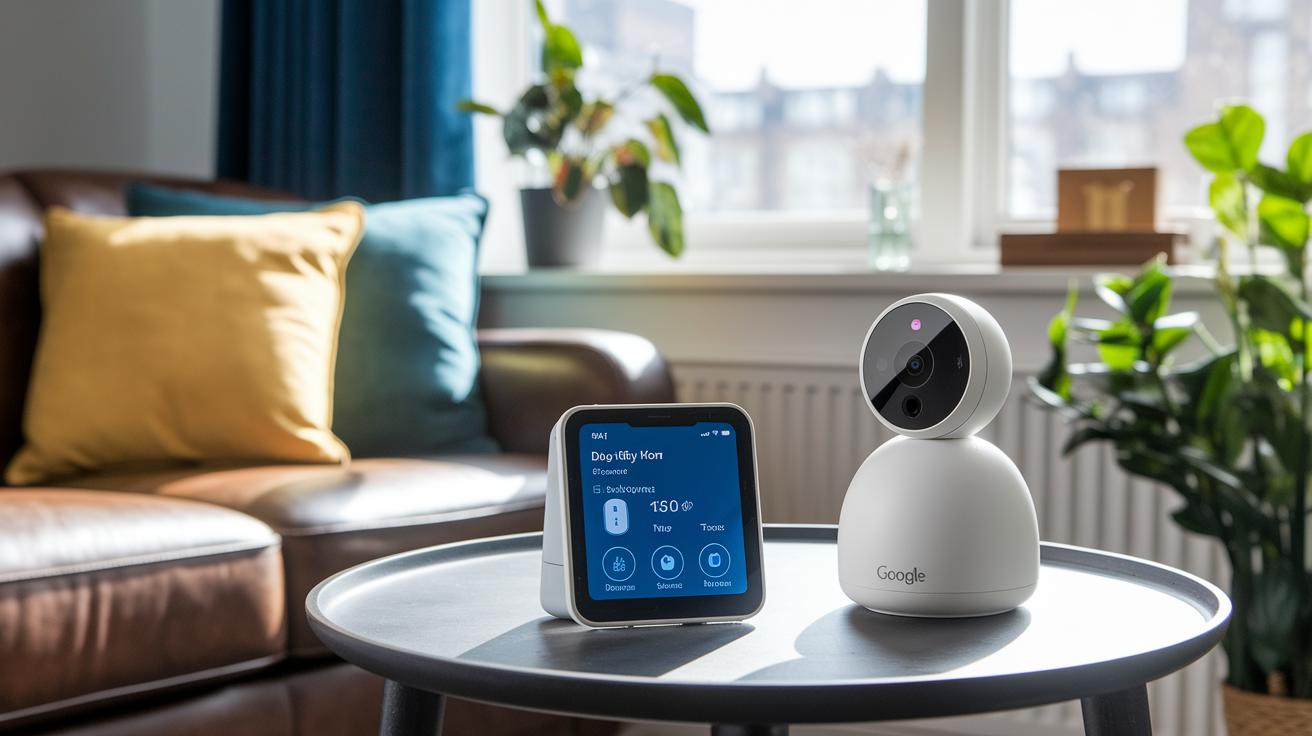
We’ve put these smart home picks to the test. Our goal was to find devices that give solid value, reliable performance, and useful features, all at a fair price. We stuck with products that work well in everyday home setups.
The Emporia smart plug shows real-time energy use and lets you control it from afar. Users praise its steady performance and low cost.
The SwitchBot Air Quality Monitor gives you a clear look at the air inside your home. Its easy-to-read app makes tracking indoor air quality simple and effective.
With the Google Nest Cam floodlight, you get high-resolution video paired with smart outdoor lighting. It’s built to detect motion quickly and holds up well in varied weather.
The Echo Show 11 is a smart display that responds to your voice. It offers clear visuals and a range of functions that help with daily tasks.
The Kelvin smart heater keeps your room cozy while saving energy. Its precise settings and consistent heat output make it a smart choice.
The Petcube wireless pet fountain makes pet care a breeze with fresh water and remote monitoring. Its smart features help ensure your pet stays hydrated no matter where you are.
SnapPower Guidelight 2 offers gentle light for nighttime without disturbing your sleep. Its sleek design and simple Wi-Fi setup have impressed many users.
The SwitchBot leak detector warns you immediately if there’s a water issue. With its easy installation and clear alerts, it adds extra safety to your home.
The Arlo Home Security System provides round-the-clock monitoring in a compact package. With customizable options and steady function, it builds trust for home security.
Take a look at these reviews. Think about features, price, and dependability to help you pick the right device for your home.
Installing and Configuring Smart Home Appliances
Before you start, make sure your Wi-Fi is secure. Verify that you have any necessary hubs and the latest version of the apps installed. Your router should use strong encryption, and you might need separate networks if you're planning to add voice-controlled fridges or smart laundry systems. A dedicated smart home hub can help keep everything in order right from the beginning.
Next, power on your devices and open your home automation app (like Alexa, Google Home, or HomeKit). Follow the on-screen steps to pair each gadget. Many devices come with simple instructions. For example, with the SnapPower Guidelight 2 nightlight or the SwitchBot leak detector, you press the pairing button, wait for the light to blink, and then confirm the connection in the app.
After pairing, check for firmware updates to keep your device running the latest software. Many makers now offer automatic over-the-air updates that help with energy efficiency and performance. Start the update in the app and let each device sync with its server. This step helps stop bugs and keeps all your devices working well together, including robotic cleaners.
If you run into issues, take another look at the device manual for common fixes. Ensure each device is within good range of your Wi-Fi signal and that nothing is causing interference. Often, simply rebooting your router or the gadget can fix sync problems.
Energy Management and Maintenance of Smart Home Appliances
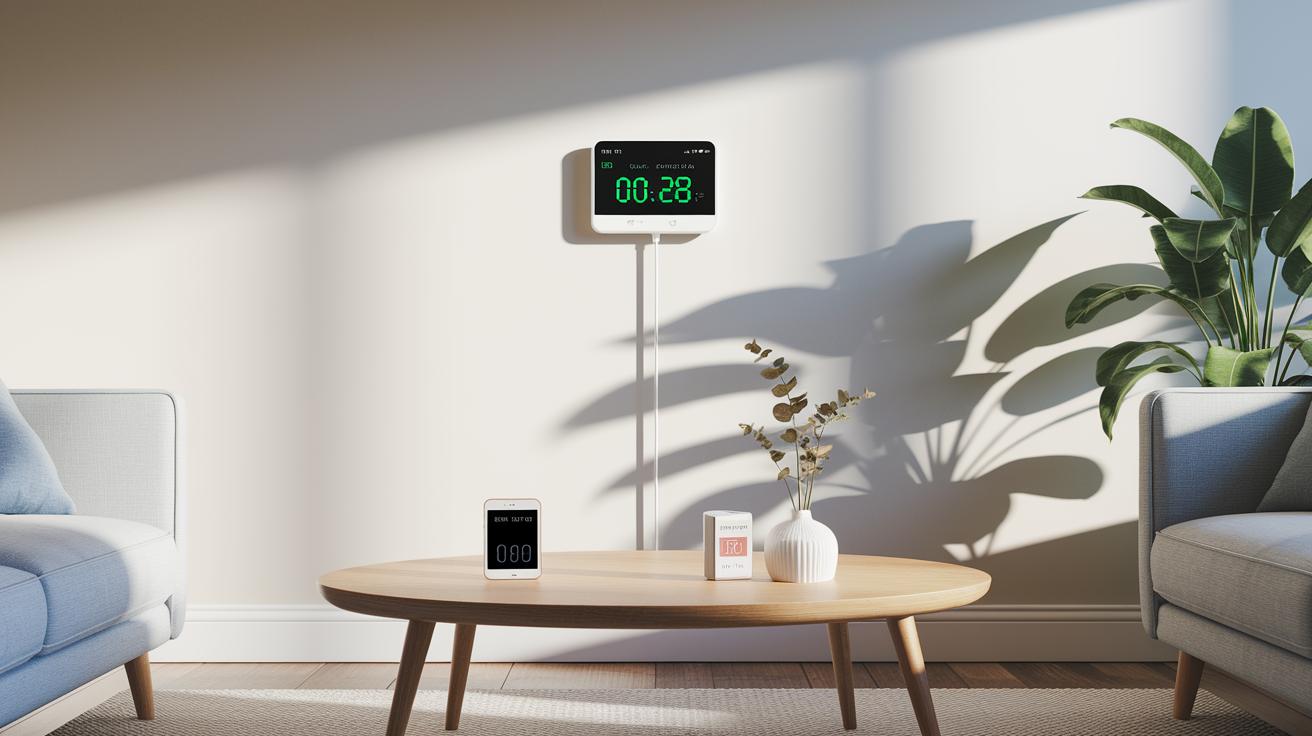
Smart home devices have built-in energy tracking that helps cut power use and save money. Take monitors like Emporia, for example, they record power use live so you can tweak your settings. This real-time data shows you how much energy you use every day, making it easier to adjust your home automation.
Taking care of your smart appliances is key to keeping them running well. Often, appliances like fridges send a heads-up when it's time to change a filter, and vacuum robots remind you about cleaning or part swaps. Predictive maintenance helps you fix things before they break down. Simple steps like cleaning sensors and updating firmware keep your devices working their best for longer.
Diagnostic tools add another layer of care by tracking performance trends and usage across your devices. They even send automated alerts when something seems off, so you can handle issues before they turn into expensive repairs. This approach not only cuts energy waste but also boosts your system’s overall efficiency and security.
Emerging Trends in Smart Home Appliances
The next few years are set to bring smarter devices that learn your habits with AI. This means your gadgets will adjust settings automatically and work smoothly with each other. For instance, a smart oven might use past cooking times to suggest your next meal’s cooking duration. The new Matter standard is making it easier for devices from different brands to communicate without hassle. Plus, modular designs let you upgrade parts of your system without replacing everything.
Design is also taking a green turn. Manufacturers are cutting energy use and boosting how well voice assistants and apps work together. Many devices now include self-checks that let you know when it's time for a little maintenance. In short, the next wave of smart home appliances works hard while keeping energy in check and connecting all your devices seamlessly.
Final Words
In the action, our guide walked through the basics of smart home appliances and residential automation systems. We covered connectivity tips, key categories, hands-on reviews, installation and configuration, energy monitoring, and emerging trends.
The step-by-step insights aim to save time and avoid costly mistakes. Enjoy exploring the smart home appliances that fit your needs and make your everyday life easier.
FAQ
What are smart home appliances and examples of smart home products?
Smart home appliances are network-connected devices that let you control home features remotely. Examples include connected refrigerators, smart lights, and automated security systems that add convenience and energy control to everyday living.
What are the most popular smart home devices and top picks?
The most popular smart home devices include smart speakers, thermostats, security cameras, and plugs. They top lists for their ease of use, broad support across platforms, and quick setup that adapts to daily routines.
Which smart home appliances brands and products are considered among the best?
Top-rated brands offer devices that score well in reliability and features. Reviews often highlight models with robust integrations, energy-saving functions, and strong support for voice assistant systems as top choices.
Where can I find smart home appliance reviews and guides?
Smart home appliance reviews are available on tech websites, consumer electronics blogs, and major retail sites. These sources offer detailed comparisons, real-world test data, and buying advice to help with informed choices.
What smart home essentials and smart gadgets can enhance home and kitchen functions?
Essential smart gadgets for home and kitchen use include automated lighting, voice-controlled hubs, smart ovens, and connected scales. These devices streamline daily tasks, improve energy management, and bring added efficiency to your living spaces.
Where can I shop for smart home appliances?
Smart home appliances are sold by major electronics retailers, specialty online stores, and big-box stores. Shoppers should compare reviews, pricing, and compatibility details to find the best options for their connected homes.