

Have you ever thought your smart appliances might be driving up your bills? It might be time to use them smarter. We’ve got three easy tips to help your devices save energy and lower your costs. First, adjust the eco settings (the controls that help reduce energy use). Next, seal off any leaks where energy might escape. Finally, update the firmware (the software that runs your device). With these simple steps, you can cut wasted power and see real savings at home.
Maximize Home Savings with Smart Appliance Energy Hacks
Smart appliances work hard every day to keep your home comfy and cut down on wasted energy. They automatically adjust power use so that areas using a lot of energy stay in check without you having to constantly tweak settings. Choosing Energy Star appliances means your devices meet strict EPA and DOE standards, which helps your home use less power overall. This hands-on method not only lowers your utility bills but also makes everyday living easier.
Start with a simple home energy assessment to find where most energy is lost, such as through gaps in doors or outdated insulation. Next, add a smart thermostat with remote scheduling and geofencing features to adjust temperatures when the house is empty, reducing heating and cooling costs. You can also use smart plugs and advanced power strips to cut standby power waste. Energy Star-rated lighting and appliances work together to boost efficiency. These practical steps easily fit into your daily routine and help save energy.
- Seal gaps around windows and doors to keep your air inside.
- Use eco modes on appliances to lower energy use right away.
- Keep firmware updated to enjoy the latest efficiency improvements.
- Monitor device performance through easy-to-use smartphone apps.
- Set Energy Star settings on every capable gadget.
- Schedule temperature changes based on when your home is occupied.
Intelligent Device Power Conservation Strategies for Smart Appliances

Smart appliances help cut waste and lower your bills by managing power use smartly. They adjust heating, lighting, and even standby power to match what you really need.
Smart Thermostats
Smart thermostats let you control the temperature in different rooms. They use geofencing (detecting when you're near) and remote scheduling so you can set heating or cooling even when you're away. When paired with heat pumps, you can tap into cheaper off-peak energy rates. It’s like lowering the heat during the day when no one’s home.
Smart Lighting
Smart lighting cuts energy use by switching to Energy Star LED bulbs, which can lower power consumption by as much as 75%. Motion sensors and daylight detectors adjust the lights automatically, dimming or shutting them off when a room is empty. You can also set dimming schedules from your home app for a perfect balance of brightness and savings.
Smart Plugs & Power Strips
Smart plugs and advanced power strips reduce wasted energy by turning off devices when they’re not actively used. With built-in timers and auto-off features, they stop idle gadgets like TVs and gaming consoles from drawing power. Plus, their usage dashboards help you see which devices use the most energy so you can make smart adjustments.
| Appliance | Strategy | Estimated Annual Savings |
|---|---|---|
| Thermostat | Remote scheduling & geofencing | $120 |
| Lighting | LED bulbs & automated switches | $90 |
| Plug Strip | Standby-power cutoffs with timers | $60 |
| Washer/Dryer | Usage monitoring & smart cycles | $80 |
These methods create a home that actively saves power. When every gadget does its part, you see real savings on your energy bill every day.
Automated Scheduling and Time-of-Use Tips for Smart Appliance Efficiency
Using time-based controls can help you save on your energy bills with minimal hassle. By setting appliances to run when rates are lower, you can move heavy energy loads to off-peak times. This approach helps run high-energy appliances like dishwashers and washers when electricity is cheaper, cutting down wasted power.
- Set your dishwasher and laundry machines to start during off-peak hours with a delayed start.
- Rely on dryer moisture sensors to stop the cycle once your clothes are dry.
- Program your thermostat to reduce heating or cooling when no one is home.
- Put your water heater in vacation mode to lower energy use while you're away.
- Schedule runs during times of high solar output to use renewable energy.
- Use smart plug timers to switch off electronics during high-rate periods.
- Adjust your lighting based on natural light with dynamic scheduling.
These strategies help match your energy use with your rate plan, often resulting in noticeable monthly savings. Have you ever seen your energy bill drop after making these changes? They let you keep comfort while cutting costs and using power wisely.
Maintenance and Optimization Tactics for Eco-Friendly Smart Appliances
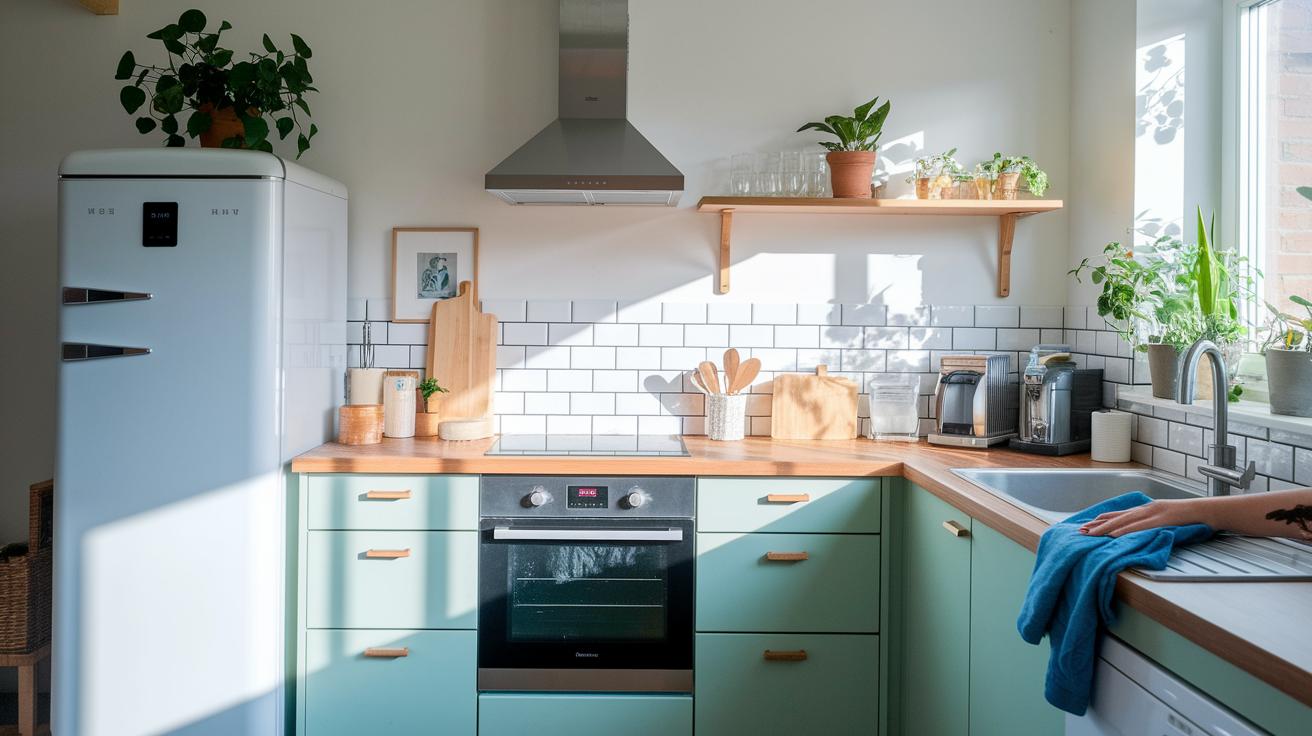
Taking care of your smart appliances helps them run well and saves energy. A little routine cleaning and timely software updates can keep your devices working at their best while cutting down on wasted power. Even small steps can add up to big savings and a greener home.
Here are some easy tips:
- Clean and defrost your fridge, oven, and HVAC filters on a regular basis.
- Install firmware updates (software that runs your device) to keep things running smoothly and add new features.
- Calibrate smart ovens and fridges to stick close to the factory-recommended temperature settings.
- Check sensors frequently so you can spot problems before they cause extra power drain.
- Replace filters as soon as their performance drops to keep your systems at their peak.
Smart Water Heater Features
Smart water heaters are built to save energy when you don't need as much hot water. They offer a vacation mode to lower heating when you're away, so you don't use power unnecessarily. Built-in leak sensors and auto-shutoff valves kick in if a leak or malfunction happens, preventing extra energy use. And with tankless designs, these heaters avoid the standby losses that traditional water heaters can have.
They also adjust their operation based on real-time needs. This means they only heat the water you need, reducing waste and cutting down your utility bill. Plus, by managing water temperature with care, they help protect your home from water damage.
Regular maintenance and smart scheduling help your appliances run closer to their peak while shaving energy costs and lowering long-term replacement expenses.
Grid Integration Insights and Peak Demand Reduction for Smart Appliances
Grid-aware appliances work with power companies to even out energy use and save money. They use smart monitors and sensors to show live energy use, spot sudden spikes, and reveal how each device uses power. This data lets you move heavy power loads to quieter times and mix in renewable energy for a greener home.
- Track your whole-house energy and catch spikes early with smart monitors.
- Join programs that pay you for cutting back power use briefly.
- Time your solar and battery systems to run appliances when demand is low.
- Set up smart HVAC zones with shades and sensors to keep rooms comfy.
- Link EV charging systems to the grid to use cheaper, off-peak power.
- Get alerts for unusual energy use so you can act before costs soar.
These steps work together to lower peak power bills and reduce your environmental footprint. Combined with clean energy choices, you could save up to $154 a month while helping create a more efficient power grid.
Final Words
In the action, we tackled practical home energy hacks that cut waste and save money. We ran through quick fixes, smart scheduling, routine maintenance, and grid integration methods. Breaking down steps from energy assessments to automated controls helped show what makes a connected home tick.
The post lays out smart appliance energy efficiency tips that are both practical and time-saving. We hope these insights spark better decisions and more comfort in your home.
FAQ
What are smart appliances and which types are common?
The term smart appliances refers to internet-enabled devices that help manage energy use. Common examples include smart fridges, ovens, thermostats, washers, dryers, and smart plugs.
What are the best smart appliance energy efficiency tips?
The best smart appliance energy efficiency tips include using eco modes, updating firmware, sealing gaps, and scheduling tasks during off-peak hours to cut energy use and lower bills.
What do smart home energy saving statistics show?
The smart home energy saving statistics show measurable reductions in energy use, with many users reporting lower utility bills and improved overall system performance.
Which smart appliances are ideal for the kitchen?
The smart appliances for the kitchen include connected refrigerators, ovens, dishwashers, and microwaves that provide smart features to reduce energy waste and improve convenience.
What is the SMART energy saving LG monitor and what does Energy Star connected mean?
The SMART energy saving LG monitor uses auto-dimming and other features to reduce power draw, while Energy Star connected devices meet strict efficiency standards for lower energy consumption.