

Ever wonder if your speaker really fills the room with sound? We tried out some top smart speakers that offer clear audio and solid bass. Our tests show these speakers pack a punch in both small and large spaces. We checked how they perform, how easy they are to use, and how they connect with your smart home. Read on to see which speaker brings true living room sound to your home.
Best Smart Speakers: Top Picks & Quick Comparison
Amazon Echo Studio leads the pack with Dolby Atmos support. At $220, it produces deep, rich sound that fills large rooms. It almost feels like having a mini home theater in your living space.
Amazon Echo Spot is a great fit for smaller rooms. Priced at $80, or just $61 in a bundle with a smart bulb, it offers a compact design that works well by your bedside or in the kitchen. It also connects easily with other smart devices around your home.
Google Nest Mini 2nd Gen, at $49, is perfect for compact spaces. It delivers clear sound from a small package and works smoothly with other Google products for reliable voice control.
Apple HomePod mini comes in at $99 and is ideal if you're already in the Apple ecosystem. It supports spatial audio (a feature that spreads sound around the room) and Matter (a system that makes smart devices work together) while providing clear and balanced tone in mid-sized rooms.
For those who need strong audio in large spaces, the Sonos Era 300 is a solid choice at $479. With the ability to pair two speakers for stereo sound, it delivers detailed audio that fills every corner of a big room.
If portability is a must, the Bose Portable Smart Speaker at $319 is hard to beat. With battery power and multi-room linking, it’s easy to move your music from room to room while keeping a consistent smart-home connection.
Each speaker has its own strengths. Your choice will depend on your room size, sound needs, and which smart system you prefer.
Smart Speaker Reviews & Audio Performance Comparison
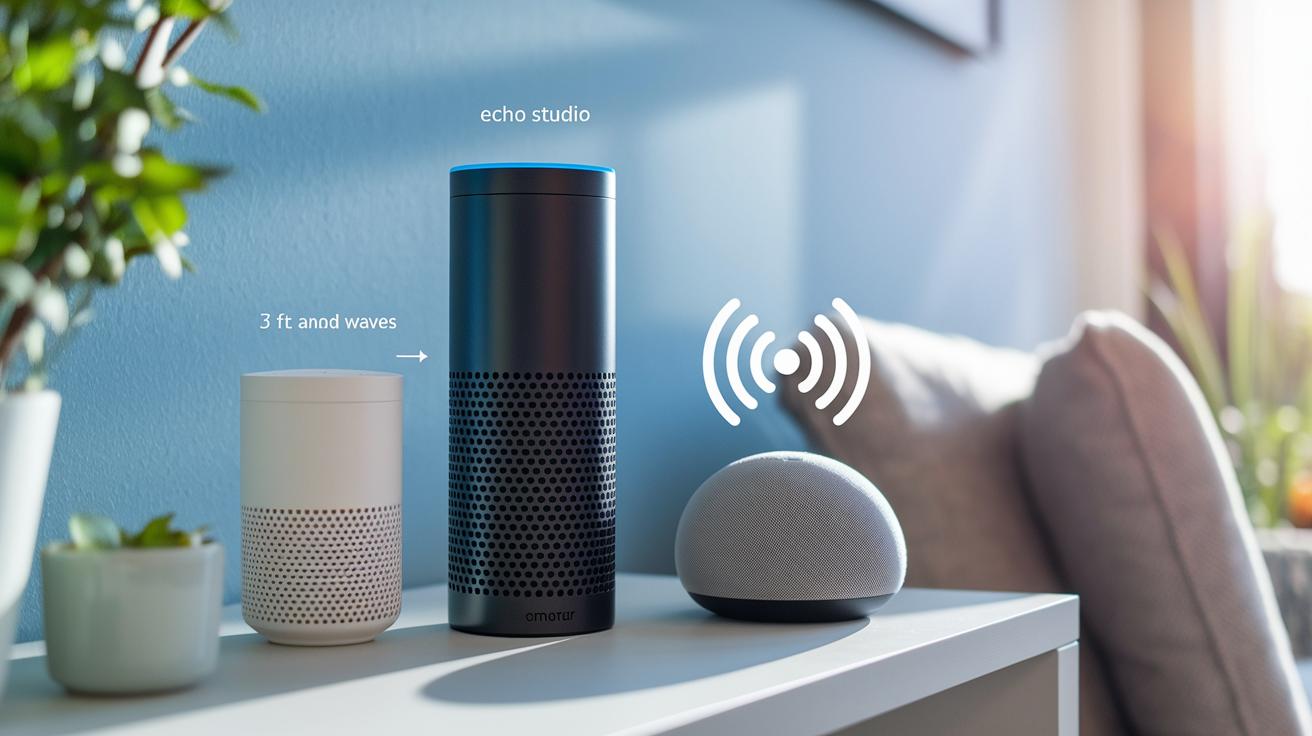
We ran real-world tests to see how each smart speaker performs up close (3 ft) and at a distance (30 ft). In one trial, the Echo Studio delivered clear sound and deep bass that remained strong even at 30 ft. We also checked voice-assistant response times in quiet and noisy environments, and we monitored how each device managed multi-room audio via Wi-Fi and Bluetooth.
The speaker apps were simple to use, and smart-home connections worked without major hiccups. The Echo Spot quickly picked up voices when you were close but had a slightly narrower sound stage compared to larger speakers. The Google Nest Mini 2nd Gen offered crisp highs, though its bass didn’t hit as hard. The HomePod mini balanced its tone well and kept lag to a minimum, even though it sometimes delayed voice commands. When paired for stereo, the Sonos Era 300 filled the room with sound and had low lag at off-center listening spots. The Bose Portable Smart Speaker performed well both indoors and outdoors, with smooth Bluetooth streaming and steady Wi-Fi.
Pros and cons for each model were clear:
- Echo Studio:
- Pros – strong bass and wide sound.
- Cons – a slight drop in clarity at long distances.
- Nest Mini:
- Pros – crisp vocals.
- Cons – bass response is less punchy.
Our tests show that each speaker provides high-quality sound with solid smart-home integration for everyday use.
Comparison of Voice Assistants in Smart Speakers
Amazon Alexa is a solid choice if you want routines that work well out of the box. It handles daily commands easily, though some features come with a Plus subscription fee. Alexa speakers also work with a range of smart devices, including a smart home hub.
Google Assistant is known for its strong voice recognition and quick command processing. A new Gemini upgrade is on the way in spring 2026. This update will offer 360° audio, ring light alerts, and a Premium option for $10 a month or $100 a year. It’s a good pick if you like the idea of evolving audio features.
Siri, found on HomePod mini and HomePod 2nd Gen, fits neatly into the Apple world. It controls Matter-certified devices and other connected items with ease. For those deep in the Apple ecosystem, Siri’s simple and steady performance feels right at home.
Each voice assistant offers its own benefits. The best choice really depends on the devices you already use and your budget. Alexa’s extra routines may cost more, while Google’s upcoming upgrade could add ongoing fees. Siri stands out with low-cost operation and smooth syncing for Apple users.
Best smart speakers: Enjoy Superior Sound Quality
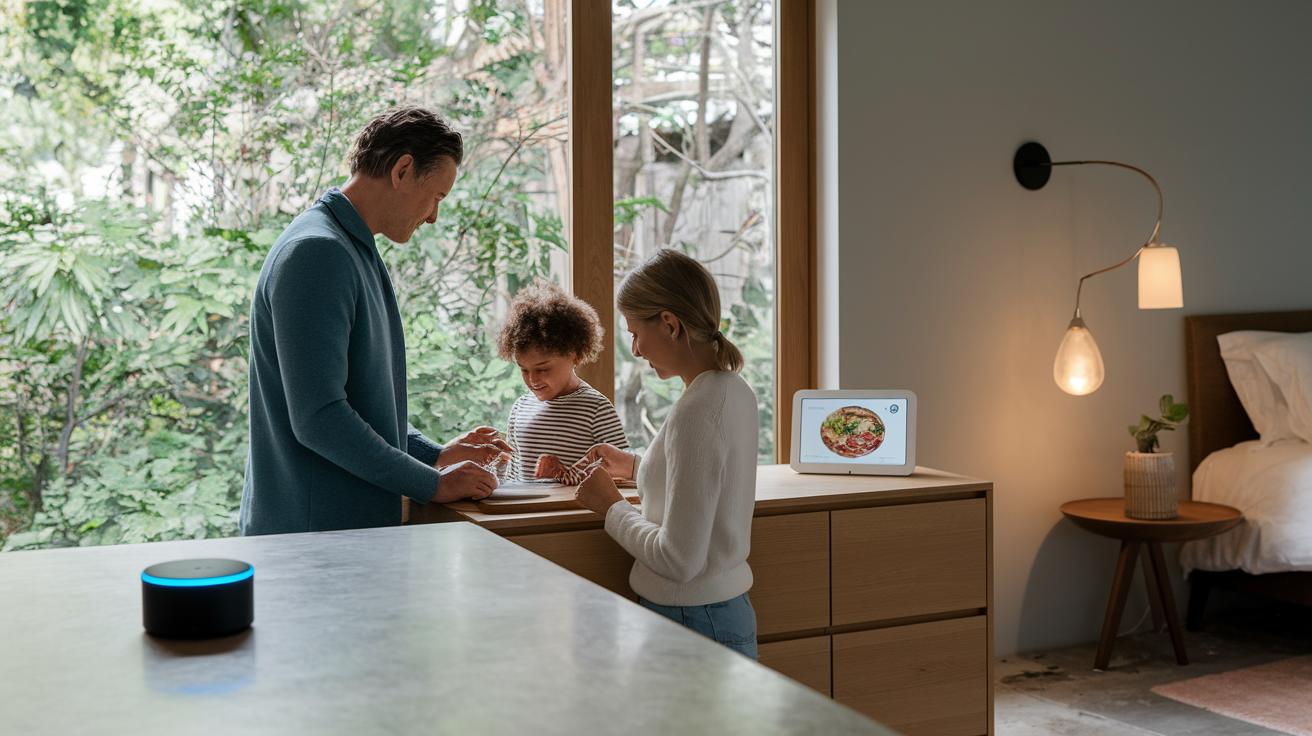
If you're new to smart speakers, the Amazon Echo Dot 5th Gen is a great start. It sets up easily and gives you clear sound for news and music. Families can also try the Echo Dot Kids Edition, which is made safe for kids while still sounding good.
In the kitchen, the Echo Show 11 is very useful. It has a bright 1080p screen that helps you follow recipes, check ingredients, watch videos, or even make video calls as you cook. For your bedside, the Google Nest Hub 2nd Gen is a smart pick. Its voice control makes it easy to set alarms, view weather updates, and handle your home routines.
If you care most about music, the Apple HomePod 2nd Gen is worth considering. It fills medium rooms with rich sound and works well with other devices for smooth switching between music services. For work or meetings, the Google Nest Hub Max is ideal. It supports video calls and helps you track appointments, making home office setups easier.
- Amazon Echo Dot 5th Gen – best for beginners and casual use.
- Echo Dot Kids Edition – designed with family safety in mind.
- Echo Show 11 – ideal for kitchens and recipe guidance.
- Google Nest Hub 2nd Gen – suitable for bedside and home routines.
- Apple HomePod 2nd Gen – excellent for audiophiles.
- Google Nest Hub Max – great for office tasks and video calls.
Smart Speaker Buying Tips: What to Look For
When you're picking a smart speaker, start by matching your budget with the sound quality you want. More expensive speakers often offer richer, fuller sound. But if you don’t need deep bass or super clear highs, a cheaper model can work just fine.
Think about the room where you'll use it. A small speaker might be perfect for a bedroom or kitchen. Larger rooms may need a device with stronger drivers or stereo pairing so the sound spreads evenly without being too loud.
Next, check how the speaker streams music. Some use Wi-Fi and others use Bluetooth. Wi-Fi usually gives steadier, higher-quality sound, while Bluetooth is handy if you want to move the speaker around. Also, if you plan to use more than one speaker, make sure they can link together for a smooth, multi-room setup.
Battery life can be key if you need to carry your speaker from room to room. Some models are built for portability, while others stay put. A quick setup using a friendly app is a bonus if you want things up and running right away.
Also, see if the speaker works with smart home standards like Matter (a common language that helps devices from different brands work together). Finally, check the warranty and any extra fees, like subscriptions for added features, so you know what you’re paying for.
Key points to check:
- Budget vs sound quality
- Room-size fit
- Wi-Fi vs Bluetooth streaming
- Multi-room linking and portability
- Easy app setup and smart home support
- Warranty and subscription fees
Future Trends in Smart Speaker Technology
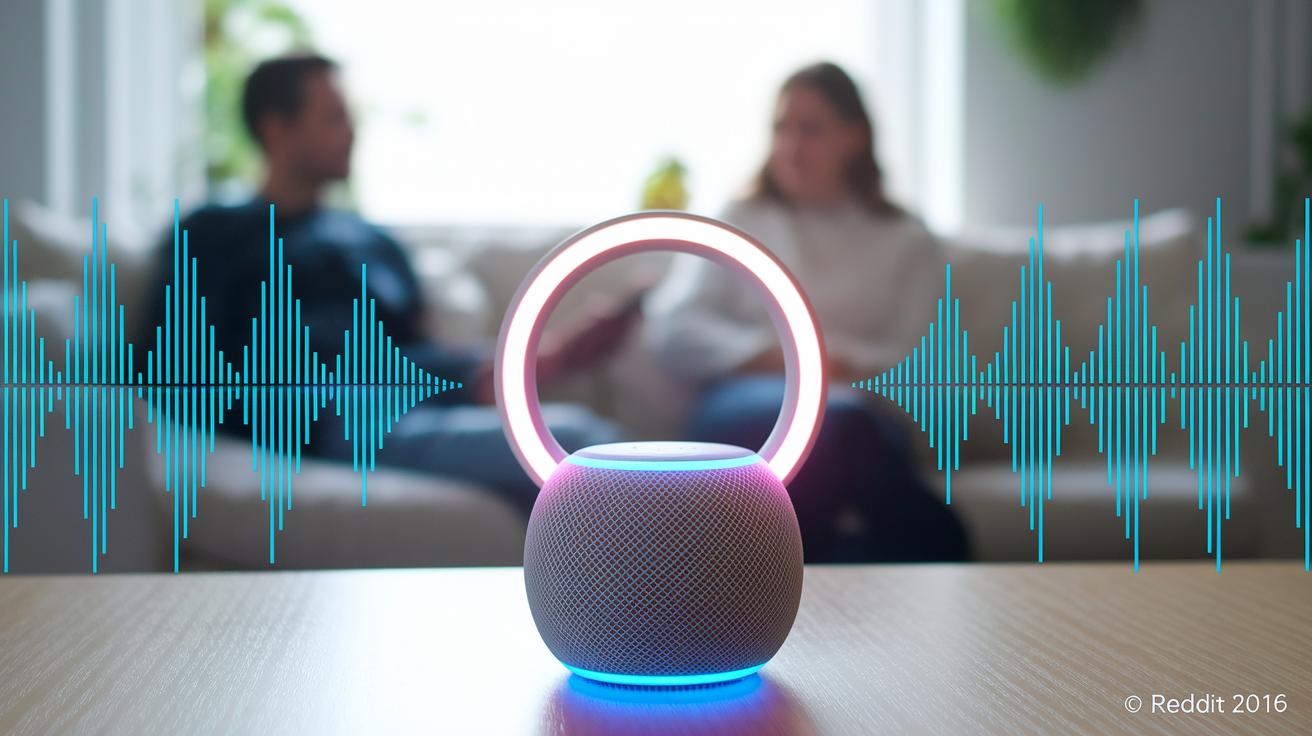
Big changes are coming for connected speakers. Google is launching its new Home Speaker with Gemini for Home in spring 2026 for $100. It features ring-light notifications and 360° sound. This new device aims to change the way we interact with technology by offering smarter conversations and more natural responses.
Sound systems powered by AI are on the rise. Manufacturers add smarter algorithms that help your speaker understand everyday talk and adjust the sound on the fly. New support for advanced audio codecs means you get richer, clearer sound in music and voice calls.
We also expect faster responses thanks to improvements in on-device processing. These upgrades will boost privacy controls and better protect your data. In the coming years, smart speakers will work more smoothly with digital assistants and smart home hubs, making your home sound experience even better.
Final Words
In the action, we broke down top models, voice assistant comparisons, use-case recommendations, practical buying tips, and future trends. We checked every feature from audio clarity to connectivity so you can spot the best fit. Our test data and hands-on impressions help you compare premium sound devices with budget options side by side. With clear breakdowns and simple steps, you’re set to pick the best smart speakers for your needs. Enjoy your next purchase and the sound quality that fits your space perfectly.