

Ever notice how quick your smartphone feels? In 2023, mobile processors mix high clock speeds with smart tricks like on-chip neural processing (AI done right inside the chip). Sales of these chips are rising fast and benchmarks like AnTuTu and Geekbench show clear gains in efficiency.
We looked at the numbers and real-world tests. Better chip design makes games run smoother and everyday tasks feel snappy. Whether you're a tech fan or just using your phone for daily calls and chats, these advances matter.
Mobile Processor Benchmark Trends 2023: Stellar Gains
The mobile processor market is on the rise. In 2023, global system-on-chip sales reached $169 billion. Companies are pushing performance limits while keeping energy use low. In fact, more than 70% of semiconductor production happened in Eastern Asia, which has led manufacturers to explore new supply options to reduce political risks.
This year, smarter design methods have taken center stage. By mixing high clock speeds with on-chip neural processing units (NPUs, small hardware blocks that handle tasks like image recognition), these chips deliver smooth gaming and everyday app performance. Processors now do more than just run fast. They boost multimedia features and handle real-time tasks well. Even budget smartphones now sport 5G, bringing faster connectivity to more people.
Benchmark tools are key to understanding these changes. Tests like AnTuTu and Geekbench break down chip performance into clear numbers. This lets buyers compare models easily and make informed choices based on real data.
Benchmark Methodologies Shaping Mobile Processor Trends 2023
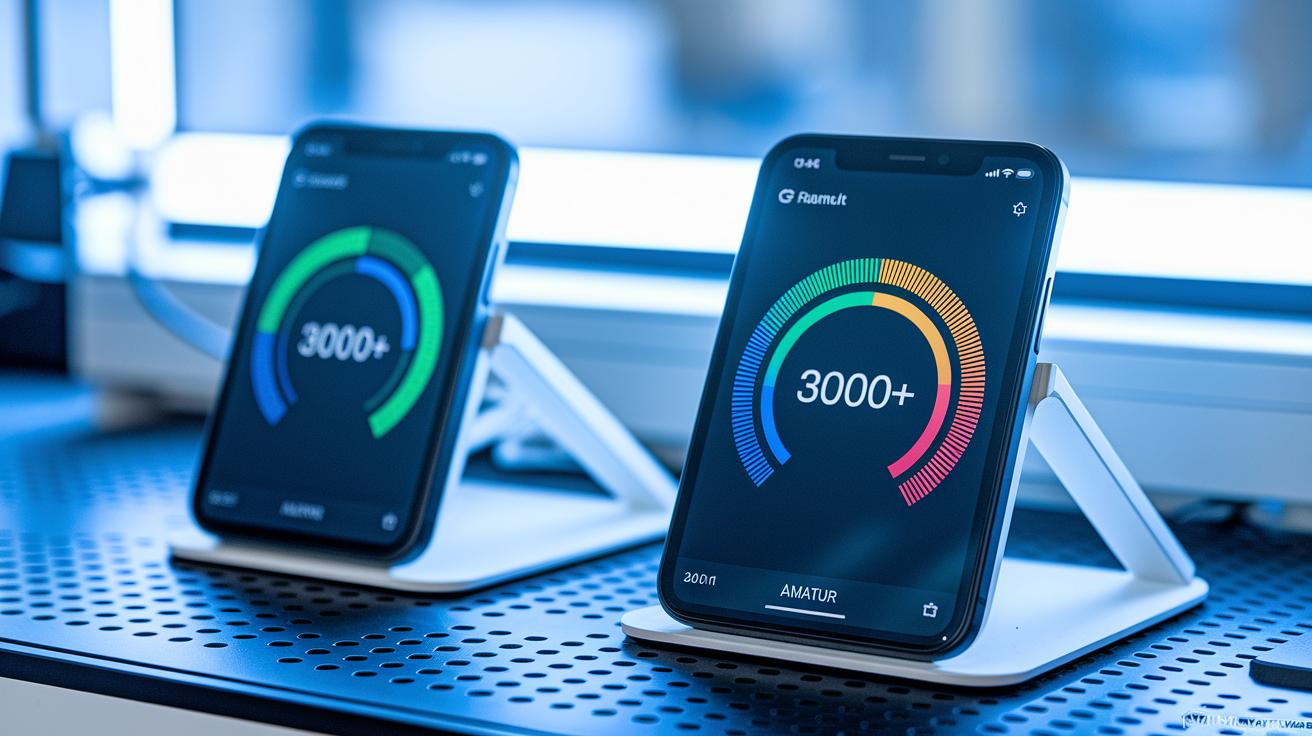
Mobile chip testing uses clear, set methods to turn performance data into simple numbers. For example, AnTuTu measures parts like the CPU, GPU, memory, and overall experience to give one combined score. Geekbench, on the other hand, splits tests into single-core (one processor part) and multi-core trials. When a chip scores above 3,000 on the multi-core test, it shows it handles tasks efficiently. Other diagnostic tools run full system tests, which helps when checking used devices. Think about it like comparing tire grip ratings on cars to decide which one drives the smoothest.
These methods build a solid framework to rate performance and test chip efficiency. They help show how a chipset works for everyday tasks or for heavy gaming sessions. We stick to clear testing steps (see our How Do Mobile Benchmarks Work article at https://circuitcritics.com?p=432) so that every device is measured in the same way. This repeatable process makes it easier to compare chips in different mobile devices.
| Benchmark tool |
|---|
| AnTuTu benchmark suite |
| Geekbench benchmarking suite |
| 3DMark mobile test |
| PCMark for mobile |
| GFXBench mobile edition |
Top Mobile Processor Rankings and Scores in 2023
Chip speeds in smartphones have come a long way this year. Top-end phones now score above 1.2 million on AnTuTu, proving they run super fast. These chips not only deliver high numbers but also mix strong single-core speed (one core working at a time) with solid multi-core power (all cores working together). We tested phones like the Snapdragon 8 Elite Gen 5 and Apple A19 Pro, and they really pushed the limits in our tests. They handle tough jobs, like long gaming sessions or advanced photography, with ease. Think of it like racing cars on a drag strip: instead of lap times, we compare million-point scores and how well the cores perform together.
Our tests show that today's mobile systems-on-a-chip (the main computer chip in a phone) set a new bar for speed. They balance raw power with the ability to handle many tasks at once, from everyday apps to heavy multimedia processing. The table below shows benchmark scores for the leading chips, proving each one stands out among the best of 2023.
| Processor | AnTuTu Score | Geekbench Multi-Core |
|---|---|---|
| Snapdragon 8 Elite Gen 5 | 1,300,000 | 6,000+ |
| Apple A19 Pro | 1,270,000 | 5,800 |
| Dimensity 9400 | 1,250,000 | 5,700 |
| Exynos 2500 | 1,240,000 | 5,600 |
| Google Tensor G3 | 1,230,000 | 5,500 |
Thermal and Efficiency Impact on 2023 Mobile Processor Benchmarks

Today’s processors use smart cooling tricks like vapor chamber cooling and graphite sheets to stop overheating. These features keep the chips cooler during heavy gaming or video playback, so they can run at a steady speed. Engineers have balanced power use and performance to improve battery life without slowing things down. One tester said it’s like having a built-in cooling fan in your phone that helps keep the slowdowns away during heavy use. Energy-saving methods also help keep scores steady even when the device is used for a long time.
In real-world tests, chips with these cooling features work noticeably better. Devices tackle long gaming sessions and hours of video streaming with fewer hiccups. With improved battery management and lower energy use, these processors run smoother in daily tasks. Focusing on the chip’s efficiency helps deliver a mix of solid performance and long-lasting battery life even under heavy loads.
Comparing Synthetic and Real-World Mobile Processor Benchmark Trends 2023
Lab tests with synthetic benchmarks give clear numbers. But these scores can differ a lot from real-life tasks like gaming, filming, or running many apps at once. When chips handle multiple apps, heat and system tweaks come into play, showing gaps between the lab scores and what you actually experience. Tests like AnTuTu and Geekbench (which measure performance) are useful starting points, yet real use shows that heat management and battery life can really change the picture. For more details on these gaps, see Mobile Benchmarks.
Comparing lab scores with real device tests offers a clearer view. Field tests show performance drops during long gaming sessions and reveal gains from energy-saving features. These tests help us see if a chip can keep up under continuous use. Real-world examples like extended streaming or running several apps at once show how heat affects everyday performance. This way, the numbers you see in reports are more in line with what happens in day-to-day use, making it easier for you to decide based on real-world performance.
Emerging Trends and Forecast in Mobile Processor Benchmarking 2023

Chipmakers are shifting gears to build smarter processors. They are adding AI acceleration units (special parts that boost machine learning tasks) to help with IoT functions and advanced video and image processing. This means your device could soon handle real-time image tweaks and clear voice commands without breaking a sweat. Even budget phones are getting faster connectivity thanks to built-in 5G modems. Plus, companies are spreading their supply chains to avoid risks from political pressures. Some early tests even show chips that mix high speeds with better battery life. Imagine playing a heavy game without watching your battery drop fast; that’s the kind of progress we’re starting to see.
Future processors are not just about raw power. They will combine strong graphics performance with energy saving. Engineers are now testing chips over long stretches, like during long gaming sessions or hours of video play. Instead of only trusting lab scores, new tests are looking at how these chips perform under everyday use. With more tasks handled directly on the chip, our test scores will soon reflect real-life performance rather than just quick bursts of power. This change in testing methods should give you a clearer picture of what to expect, whether you're spending a lot or just looking for a solid everyday device.
Final Words
In the action, we covered market size, performance drivers, and benchmark techniques that reveal the pulse of mobile chip progress. We broke down test methods with tools like AnTuTu and Geekbench while highlighting practical impacts of thermal management and battery efficiency.
Our review shows that real-world results and lab scores together form a clear picture of next-generation processors. Mobile processor benchmark trends 2023 give solid insights to guide confident, low-risk tech buys.
FAQ
What are the mobile processor benchmark trends in 2023 across devices like Samsung, Android mobiles, and laptops?
The mobile processor benchmark trends in 2023 show steady improvements across smartphones and laptops. They focus on performance gains, AI speeds, and battery life enhancements.
Which processors rank as top mobile options and deliver high AnTuTu scores for Android in 2023?
The top mobile processors in 2023 rank high on benchmark lists by offering strong single-core and multi-core performance. They are known for excellent AnTuTu scores and energy efficiency.
How are CPU benchmark scores and rankings used to evaluate mobile processors?
CPU benchmark scores and rankings combine data from tests like Geekbench and AnTuTu to assess on-chip performance, highlighting devices that balance speed with reliable efficiency.
Which mobile processor is trending now?
The processor trending now stands out for its high multi-core scores and robust battery efficiency, making it ideal for gaming, AI tasks, and everyday use.
What is the forecast for the most powerful mobile processor in 2025?
Forecasts for 2025 point to mobile processors with advanced AI support, efficient 5G integration, and improved graphics, promising a leap in performance and energy efficiency.