

Have you ever wondered if your phone's high scores really mean it will work well day to day? We run hands-on tests that measure a phone's CPU (the brain), GPU (the graphics booster), battery life, and display clarity. Using tools like Geekbench, AnTuTu, and 3DMark, we see how phones handle everything from basic tasks to heavy gaming. In our tests, we break down each number to show what they mean for you. Can a high benchmark score really lead to a smooth, reliable phone experience? Read on to learn how these tests can help you choose your next phone.
Mobile Phone Benchmarks Explained: Metrics and Methodologies
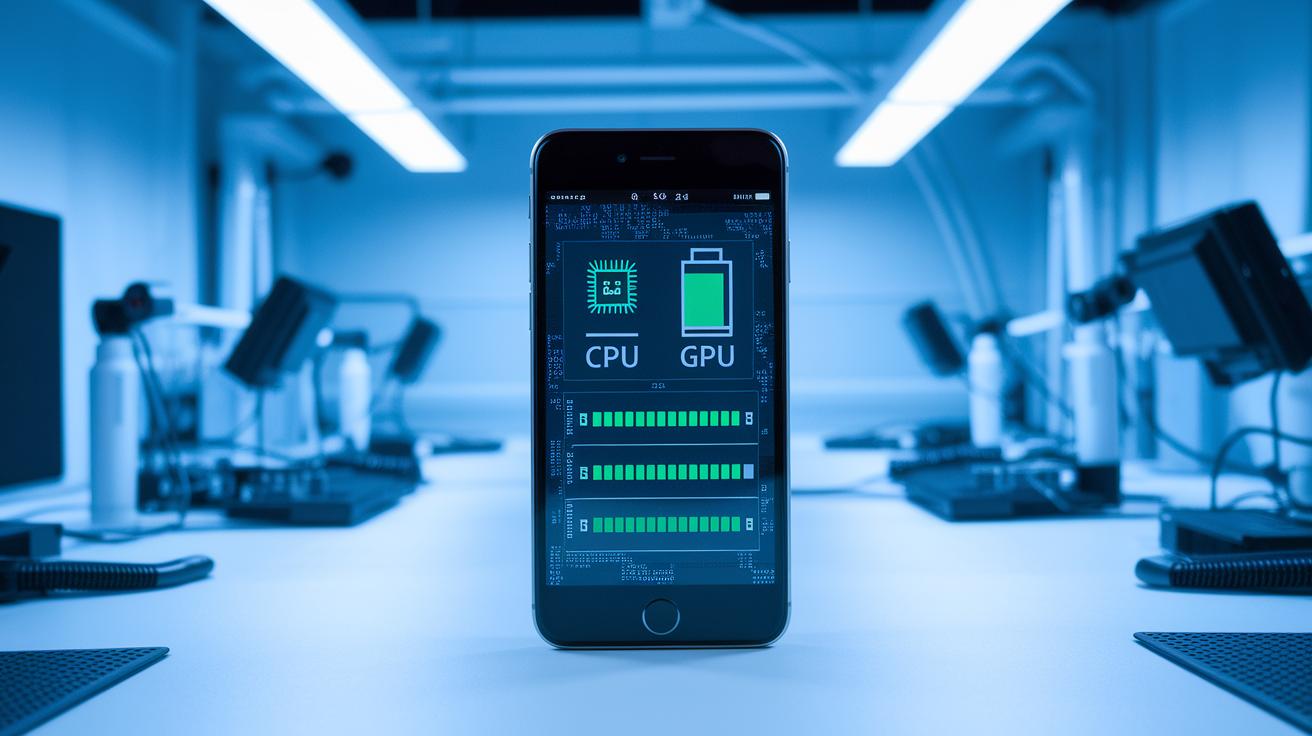
Benchmarks test how a phone performs in everyday life. They check the CPU (the phone's brain), the GPU (the part that handles graphics), battery life, and display quality. We run lab tests and look at real-world use to get a full picture.
Take processor speed, for example. One test might time how fast the iPhone 16 Pro Max works compared to others. We use tools like Geekbench (for CPU speed), AnTuTu (for overall system performance), and 3DMark (for how the GPU handles graphics).
Benchmarks also measure how well phones handle heavy graphics tasks. A high GPU score means the phone can run games and edit videos smoothly. Comparison charts, shown side by side, make it easy to see which phone performs better across different tests.
Battery life tests are just as important. For instance, one phone might deliver nearly 19 hours of continuous use, while many others average around 10.5 hours. This shows that better benchmark numbers can mean longer battery life in your day-to-day use.
Display tests measure brightness and color accuracy using special tools. These tests help you see how the screen will perform in real life. All these metrics put together guide you to a phone that works best for your needs.
Mobile Phone Benchmarks: Sparkling Performance Thrills
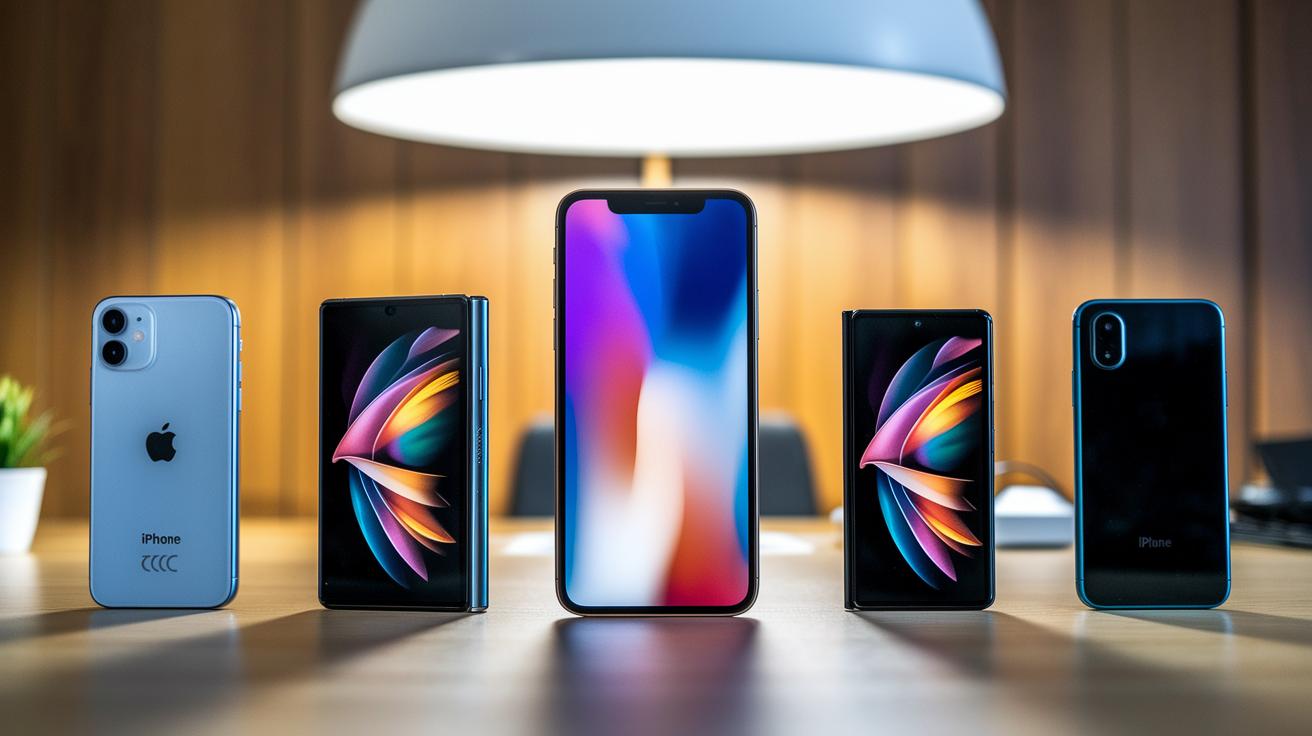
Our lab tests show clear winners and some areas that need work. The iPhone 16 Pro Max leads the pack in both single-core and multi-core benchmarks. Its chip handles everyday tasks and tough processing easily, which makes comparisons simple. We used Geekbench and AnTuTu to see that its performance stays steady even under heavy use.
The Galaxy Z Fold 7, running on the Snapdragon 8 Elite chipset, impresses in the foldable category. It delivered strong single-core speeds during our tests. This shows that even foldable phones can keep up with regular flagships.
The iPhone Air, with its A19 Pro chip, shows off smooth and efficient performance. It manages power well while saving battery, a plus for anyone looking to get more energy out of their phone.
Meanwhile, the Pixel 10 Pro with its Tensor chipset struggles in multi-core tests. It can handle some tasks but falls short when it comes to heavy multi-tasking.
- iPhone 16 Pro Max leads in overall CPU scores.
- Galaxy Z Fold 7 shines in the foldable category.
- iPhone Air offers smooth and energy-efficient performance.
- Pixel 10 Pro falls behind in multi-core tests.
GPU Performance Analysis in Mobile Phone Benchmarks
Our tests show the iPhone 16 Pro Max excels at running 3D games. In lab runs using 3DMark and GFXBench, its GPU pulls high frame rates and solid shader performance (shader: a small program that creates effects on your screen). Even when gaming hard, you get smooth animations and steady gameplay.
Android flagships with the Snapdragon 8 Gen 3 chipset are close behind. These phones score well in gaming tests and handle shader tasks with ease. When you look at the performance side-by-side, their frame rates come off nearly as reliable, making them smart picks for gamers.
The Galaxy Z Fold 7 also performed impressively in real-world scenarios. It runs games at high frames per second during long sessions, so you can enjoy immersive gaming while on the move. Our tests confirm it meets high expectations even in tough conditions.
Synthetic benchmark results offer a clear look at performance. We measured aspects like frame rates and shader outputs to see how lab scores match up with everyday gaming. This helps you know what to expect when you fire up your favorite titles.
Battery Life and Energy Efficiency in Mobile Phone Benchmarks
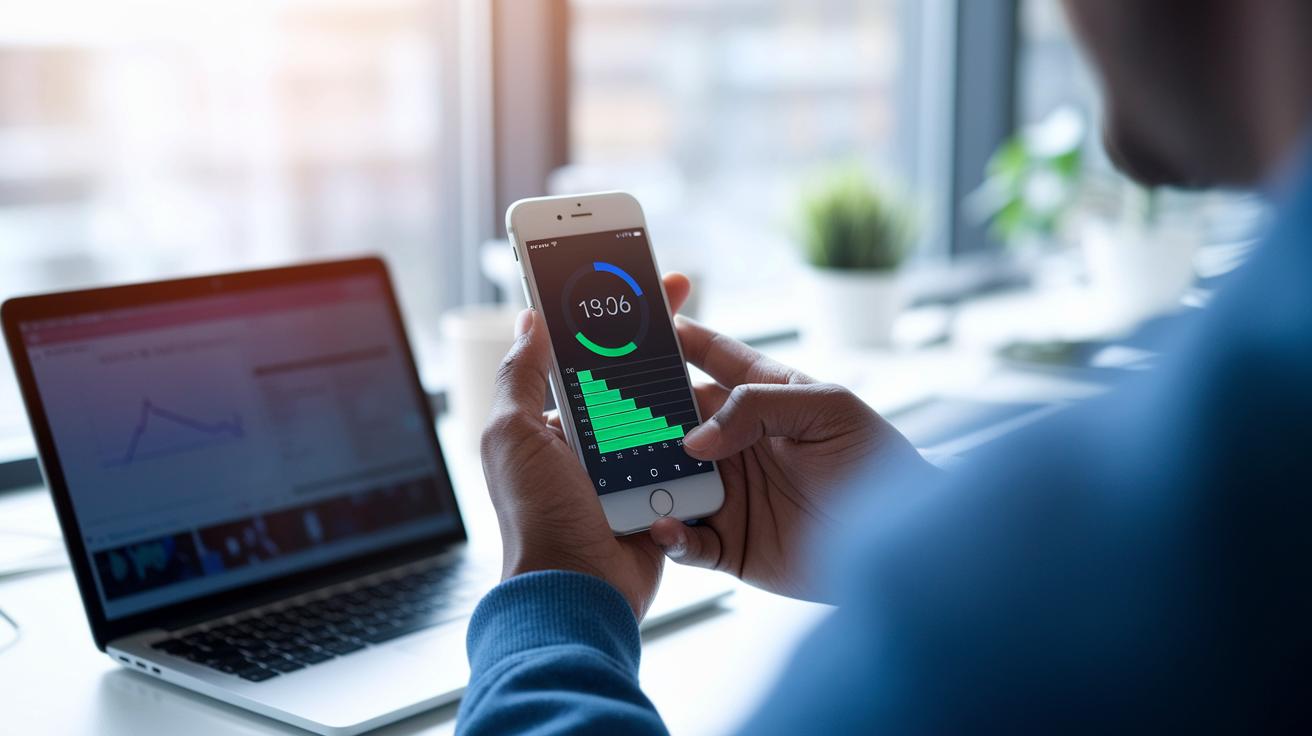
We ran tests on battery life while also checking chip performance and how energy is managed. We tried tasks like streaming, gaming, and using everyday apps. Our tests show that smart software combined with efficient chip designs can help batteries last longer.
Take the A19 Pro chip as an example. It uses less power while still running fast. Some devices with the A19 Pro chip keep strong performance even after hours of heavy tasks, thanks to smart energy management.
Our results also show that phones like the iPhone 16 Plus continue to impress. With well-tuned system software, they can run for much longer. This approach gives us a clear picture of how battery life and energy efficiency work together in daily use.
- A19 Pro chip: low power draw with high speed
- Varied real-world tests: streaming, gaming, everyday usage
- iPhone 16 Plus: consistently extended battery runtime
Test Comparison Charts for Mobile Phone Benchmark Rankings
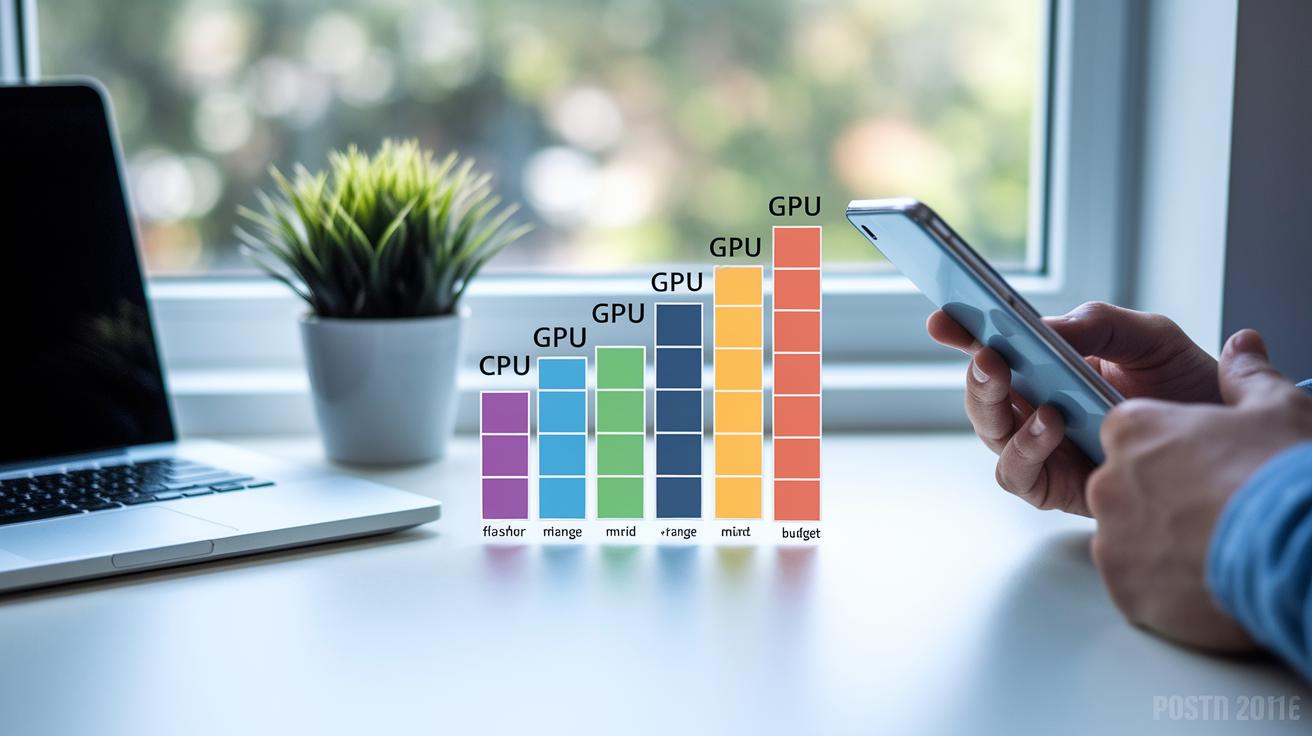
These charts turn raw test numbers into easy-to-read visuals. They let you see how phones compare in key areas like CPU (the brain of the phone), GPU (graphics power), and battery life. Phones are grouped by tiers, flagship, mid-range, and budget, so you quickly see which models stand out. For example, the iPhone 16 Pro Max often leads with high CPU scores, while the Galaxy S25 Ultra grabs attention with smart AI boosts. The Pixel 9a, on the other hand, strikes a good balance that suits budget users.
Simple visuals make a big difference. A clear chart might use bars to show CPU speed, icons to highlight GPU strength, and color codes for battery life. This lets you spot at a glance how each phone stacks up in different areas. The data comes from strict lab tests along with real-world checks, so you know the numbers are solid.
Below is a sample table of some scores:
| Device | CPU Score | GPU Score | Battery Score |
|---|---|---|---|
| iPhone 16 Pro Max | 9800 | 9200 | 8900 |
| Galaxy S25 Ultra | 9500 | 9100 | 8750 |
| Pixel 9a | 8800 | 8400 | 9300 |
Looking at these metrics side by side, you can quickly spot trends, from the high-end phones that push the limits to the budget models that offer extra value. These charts turn complex test data into a clear picture so you know which phone is best for your needs.
Real-World Performance Review: Applying Mobile Phone Benchmark Results
Benchmarks are more than just numbers, they show how phones work day to day. We found that the iPhone 16 Pro Max runs games at over 60 FPS in many titles. This means gameplay stays smooth and visuals remain clear even during fast-paced scenes.
The Galaxy Z Fold 7 handles video editing tasks in a way that matches lab tests. Whether you're trimming clips or adding special effects, the phone keeps up nicely, making creative work feel reliable and fast.
Everyday use is not only about raw speed but also about lasting power. The OnePlus 15 offers about two days of battery life in regular use, which is great if you need your device to last through a long day. On the other hand, Pixel phones built with Tensor chips struggle with heavy AI tasks like real-time translation or smart photo enhancements.
- Real-life tests show smooth gameplay and sharp visuals
- Video editing feels steady and consistent with lab results
- The OnePlus 15 delivers solid battery life for long days
- Pixel models lag with demanding AI operations
These practical tests make it clear that benchmark numbers can reliably predict everyday performance in gaming, media editing, and AI tasks.
Final Words
In the action, we broke down mobile phone benchmarks, covering every key area. We looked at how CPUs, GPUs, and battery life scores reveal real performance. Our test charts make it easy to see which devices shine and where others fall short. Real-world tests confirmed that numbers match daily use. The data-backed insights help you pick a phone that fits your pace while avoiding surprises. Keep the tests in mind, and enjoy the ride with your new device.
FAQ
What is a phone benchmark test online?
The phone benchmark test online measures a device’s performance using lab and real-world tests. It scores aspects such as CPU processing, GPU graphics, and battery endurance.
What does a mobile phone benchmarks chart show?
The mobile phone benchmarks chart displays side-by-side scores from various tests. It helps readers quickly compare key performance metrics like processing speed, graphics quality, and battery life.
How does phone benchmark comparison work?
The phone benchmark comparison gathers test data to highlight differences in device performance. It looks at factors such as processor speed, graphics output, and energy use to guide buying decisions.
How do phone benchmark rankings work?
The phone benchmark ranking orders devices based on performance scores from tests such as AnTuTu and Geekbench. It offers an overview of which models deliver faster and more efficient performance.
What are the best mobile phone benchmarks?
The best mobile phone benchmarks use trusted tools like AnTuTu, Geekbench, and 3DMark to deliver reliable scores. They measure overall device efficiency and help determine which phones perform best.
What is the AnTuTu benchmark?
The AnTuTu benchmark is a widely used test that evaluates mobile phones across CPU, GPU, memory, and user experience. It provides a single score representing overall device performance.
How do I perform a free phone benchmark test online?
Free phone benchmark tests online are available through web-based tools that run performance checks at no cost. They offer quick insights into your device’s processing, graphics, and battery capacities.
What can I expect from smartphone benchmark tests in 2025?
Smartphone benchmark tests in 2025 will likely update metrics to include advanced AI and energy efficiency assessments. They will continue comparing CPU, GPU, battery performance, and overall user experience.