

Did you know that your smart devices can be a soft target for hackers? Imagine a smart hub getting hacked in less than a minute, with your private data exposed almost instantly. Many smart gadgets come with default settings and weak passwords, which makes them easy prey for cyber attacks. In our tech-filled homes, that convenience can mask real security risks. In this post, we share real-world examples of these vulnerabilities and explain simple steps you can take to protect your privacy and safety.
Smart appliance security risks: Stay Secure
Smart appliances often store a lot of your private data, like credit card details and even your exact location. This makes them a big target for hackers if they aren’t properly protected. Many smart hubs use weak passwords, so it’s all too easy for someone to break in. For instance, one test showed that a smart hub with its default settings was hacked in less than a minute, exposing sensitive information. This risk means that personal data on these devices could be misused for identity theft or other crimes, especially when privacy settings are lax or data isn’t encrypted.
Weaknesses in smart locks, cameras, and other connected devices not only threaten your data but can also put your safety at risk. A hacked smart door lock might let a stranger into your home, and a tampered camera could give burglars a look into your private space. Picture arriving at home only to find you locked out by a manipulated smart lock. Even more, if someone takes control of a thermostat or other appliance, they might trigger hazards like fires or floods. The bottom line is that the convenience of smart gadgets comes with serious security risks, affecting both your privacy and safety at home.
Common Firmware and Software Vulnerabilities in Smart Appliances
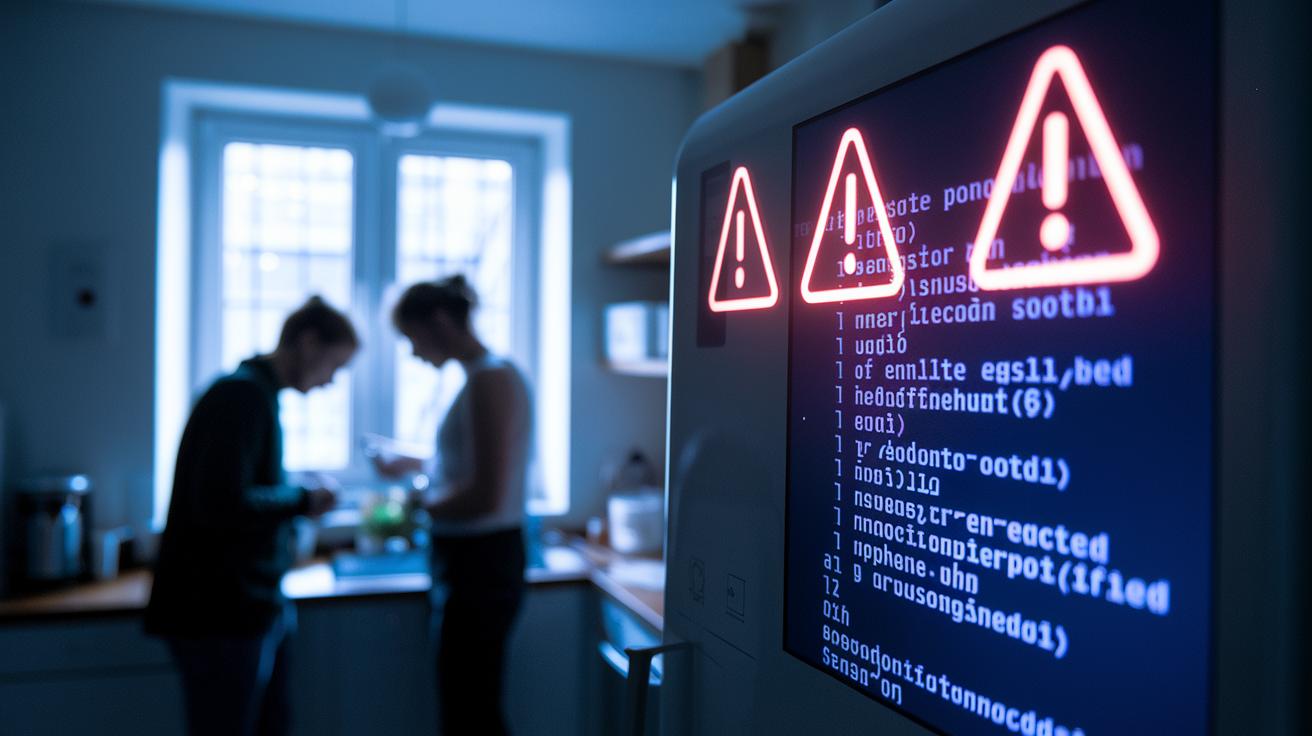
Smart appliances use software to run, but many have weak spots that make them easy targets. Manufacturers often push new features without boosting security. This leaves the firmware (the low-level software that controls the device) open to attack. Outdated updates, weak default settings, and open debug ports all add risk, letting hackers sneak in.
- Firmware tampering – Hackers can change the firmware to insert hidden backdoors. This trick can let them stay in the system even after a reset.
- Outdated software – Devices running old firmware can fall prey to known attacks. Auto-updates can help, but many makers skip this step.
- Insecure defaults – Factory-set passwords or open access settings make devices easier to hack if they aren’t changed.
- Missing integrity checks – Without checks that catch changes, any unauthorized tweak to the firmware may go unnoticed.
- Exposed debug ports – Debug ports left open during development and not closed later can let hackers run commands directly on the device.
- Disabled encryption – When encryption (a method to keep data safe) is weak or turned off, data can be intercepted by attackers.
These issues show why smart appliance firmware needs constant improvement. Regular auto-updates, solid integrity checks, and secure default settings help lower the risk of hacking.
Network Intrusion and Connectivity Threats for Smart Appliances
A breach in one smart device can open a door for hackers to spread across your whole network. Once an appliance is compromised, it becomes a stepping stone to invade other devices linked to the same network. This sideways movement is especially risky in homes with many connected gadgets. Once inside, attackers may turn your device, like a smart speaker or security camera, into part of a botnet. That means your home not only faces a risk, but it might also help launch attacks on other targets.
Network connections face threats too, especially from man-in-the-middle attacks. In these cases, a hacker intercepts the data traveling between devices and may change it, leaving your sensitive logins exposed. Unsecured Wi-Fi or Bluetooth adds extra risk, letting hackers eavesdrop on calls or video feeds. This flaw is often found during reviews of IoT devices. With a persistent breach, attackers can keep an eye on your home and even send unauthorized commands, raising both privacy and safety concerns.
Real-World Smart Appliance Breach Case Studies
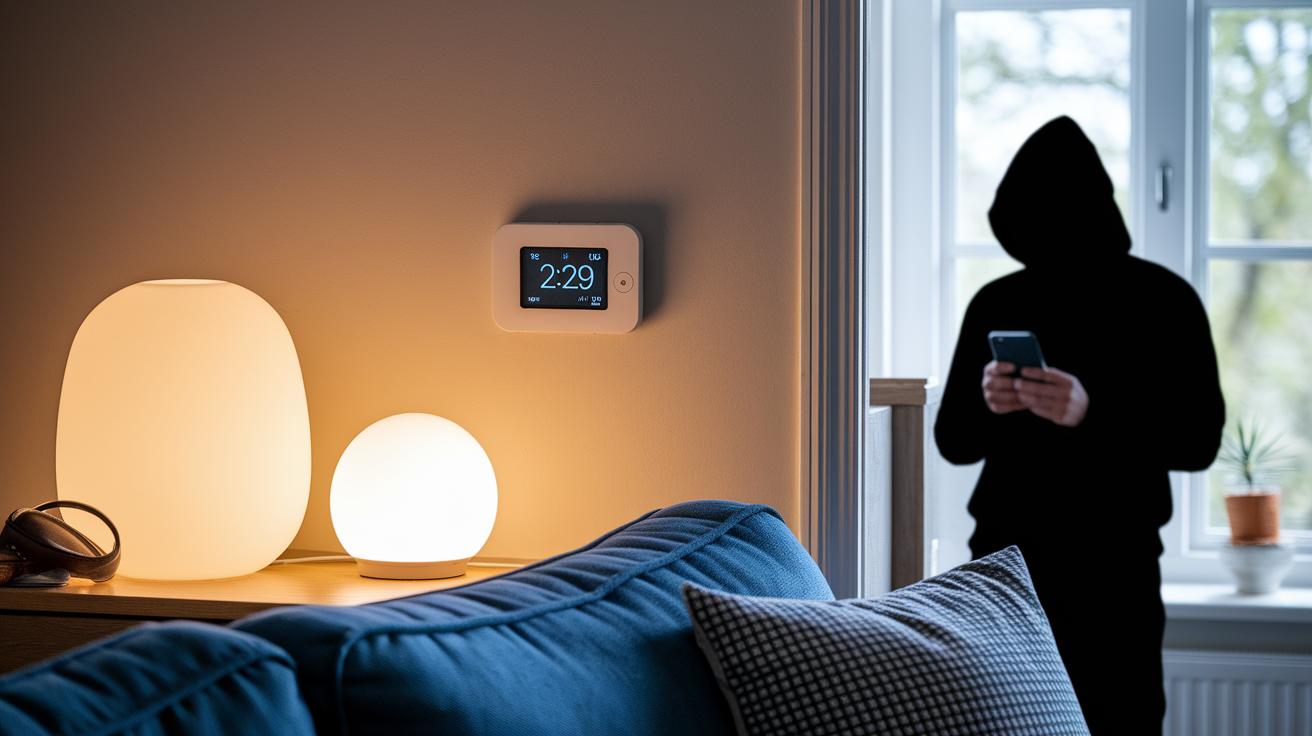
Real-life hacks show that smart appliances can be easy targets. Back in 2018, hackers broke into a Google Home paired with a Chromecast. This breach let them track a user's location (finding exactly where someone was). In another incident, someone changed smart lock settings so they could enter a home without permission. We also saw a case where a smart thermostat was hijacked to force a ransom, putting privacy and safety at risk.
| Date | Device | Vulnerability | Impact |
|---|---|---|---|
| 2018 | Google Home/Chromecast | Location-tracking flaw | Hackers got exact location data |
| 2019 | Smart Lock | Altered lock settings | Unauthorized home entry |
| 2020 | Smart Thermostat | Software security hole | Used for extortion and risked safety |
These stories show that hackers use different tricks to break into smart devices, whether it's tracking location or messing with security. They highlight a real need for stronger safety measures.
Mitigation Strategies and Secure Protocols for Smart Appliances
Keep your smart devices safe by managing logins and updates the right way. Use a strong, unique password for each device and turn on two-factor authentication (which adds an extra verification step) to block unwanted access. For example, swap the factory login info as soon as you set up a new smart lock or camera. Let your devices update automatically so they get the latest fixes quickly. This regular patching not only covers known security holes but also gives hackers a much smaller window to work with.
Secure your device communications by using encryption protocols like TLS 1.2 or higher. Think of it like sealing a letter before sending it, so prying eyes can’t read your info. It also helps to set up separate zones for your gadgets. That way, if one device is compromised, only a small group is affected, not your whole network. Also, check that your vendors are quick to update their devices and take security seriously. Together, these steps work hard to protect your devices, ensuring that if one is breached, the rest stay safe.
Penetration Testing and Ongoing Risk Assessment for Smart Appliances

Penetration testing is a key step in finding weak spots in smart appliances and their networks. We test both outside and in-house networks, the firmware (the software that runs on the device), and even the wireless signals that connect the devices. These tests reveal security gaps and push makers to fix them before hackers can take advantage.
Our process demands complete proof that issues are resolved. This means any found flaw must be fully corrected before we issue a security certificate. Being named a top emerging penetration testing solution provider in 2023 shows how much trust the industry has in these methods.
Types of Penetration Tests
- External network assessments
- Firmware evaluations
- Wireless security tests
Regular scans and ongoing log monitoring help catch problems as soon as they appear. Scheduling tests at set times and after major updates is key to keeping your smart appliance network secure. This approach not only stops breaches but also builds long-term trust in your devices' safety.
Final Words
In the action, we broke down how smart devices expose personal data and create physical safety issues. We looked at weak passwords, outdated firmware, and network breaches that can affect an entire home network. Real-life breach cases highlighted the risks inherent in these setups.
We then explored how proper mitigation, like secure protocols, routine testing, and diligent monitoring, can reduce these smart appliance security risks. With practical steps and ongoing assessments, finding safe solutions is well within reach. This clear approach empowers anyone to protect their valuable tech investments.
FAQ
What are smart appliance security risks discussed on Reddit?
Reddit discussions show that smart appliance risks include weak passwords and data collection issues like credit card numbers and locations, which can expose users to unauthorized access if devices aren’t properly secured.
What were the main smart appliance security risks in 2022?
In 2022, reports highlighted risks such as outdated firmware, insecure defaults, and poor encryption. These vulnerabilities left devices prone to hacking and potential breaches that could affect privacy and safety.
What security challenges and privacy concerns do smart homes face?
Smart homes face challenges with devices collecting sensitive personal data and having weak access controls. This creates concerns over privacy breaches, unauthorized monitoring, and even potential physical security risks.
What do smart home cyber attacks typically target?
Smart home cyber attacks aim at devices like locks, cameras, and thermostats by exploiting firmware and password weaknesses. This can lead to unauthorized control or even disruptions that compromise home security.
What are common security issues with smart home devices?
Common security issues include outdated firmware, weak default settings, exposed debug ports, and missing integrity checks. These factors can give hackers an easy entry point to compromise smart devices.
What IoT threats exist inside smart home networks?
IoT threats in smart homes involve lateral network breaches, where one compromised appliance can expose the entire system, and man-in-the-middle attacks that intercept data through insecure communication channels.
How does smart home cybersecurity work to protect users?
Smart home cybersecurity relies on strong, unique passwords, regular firmware updates, two-factor authentication, and network segmentation. These measures help guard against unauthorized access and mitigate potential cyber threats.
Are smart homes safe overall?
Smart home safety depends on how well devices are secured. With proper updates, strong credentials, and controlled network access, many risks can be managed effectively, but continual vigilance remains necessary.