

Ever wonder which phone really stands out? We put the Samsung Galaxy S25 Ultra and the iPhone 17 Pro to the test on design, display, and everyday use. Our tests are simple. It’s like comparing a long-distance runner’s stamina to a sprinter’s burst of speed. We found that Samsung shines with its long-lasting battery and plenty of storage, while the iPhone offers a smooth, easy-to-use system. Which one fits what you need?
Samsung vs iPhone: Side-by-Side Feature, Display, Performance, and Value Overview
We take a close look at two top phones: the Samsung Galaxy S25 Ultra and the iPhone 17 Pro. We measured each one’s design, screen quality, camera, battery, and overall value to help you decide which fits your needs.
In our tests, we looked at how smooth the display feels, how fast each phone runs, and how they perform in everyday use. Samsung offers a larger battery with room to add storage, while the iPhone gives you a simple, well-integrated system with steady updates.
| Feature | Samsung Galaxy S25 Ultra | iPhone 17 Pro |
|---|---|---|
| Design material | Curved glass with Armor Aluminum | Flat-edged metal (aluminum or stainless steel) with glass |
| Display size & type | Dynamic AMOLED 2X, about 6.8 inches | Super Retina XDR LTPO ProMotion, about 6.1 inches |
| Refresh rate | 120 Hz | 120 Hz |
| Main camera | 200 MP sensor | 48 MP sensor |
| Telephoto | Up to 10× optical zoom | Varies with model |
| Battery capacity | Up to 5000 mAh | About 3300 mAh (optimized) |
| Storage options | Expandable | Fixed |
| Starting price | $799 | $799 |
- Samsung wins on battery capacity and storage flexibility.
- The iPhone sticks with steady performance and easy integration in its ecosystem.
- Both feature smooth 120 Hz displays.
Samsung vs iPhone Design, Build Quality, and Display Comparison
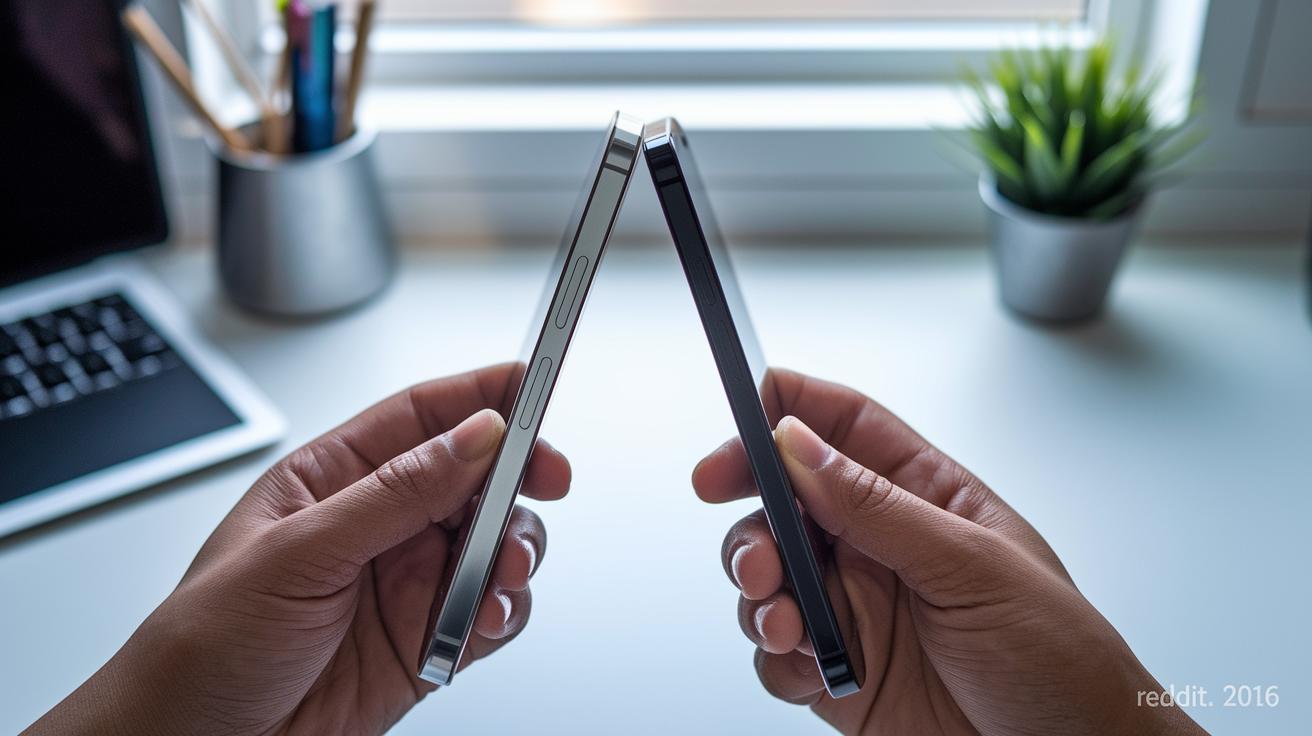
Choosing a phone often comes down to design and screen quality. You want a device that feels good in your hand and looks modern every day. iPhone sticks to its flat-edged design using aerospace-grade aluminum or stainless steel with a glass back. Samsung, on the other hand, goes for curved glass with Armor Aluminum, giving it a sleek, bold look.
The display is a big deal too. The iPhone 17 sports a Super Retina XDR LTPO ProMotion screen that brings vivid colors and sharp details. Meanwhile, the Samsung S25 offers a Dynamic AMOLED 2X panel with HDR10+ that is bright and crisp at even higher resolutions.
These differences matter if you look at daily use. If you prefer a classic, sturdy feel, iPhone might be your pick. But if a modern design with a striking, immersive display catches your eye, Samsung could be the right choice.
Samsung vs iPhone Performance and Gaming Capabilities
Our tests show that the iPhone’s A-series chips make apps open in a flash and keep things running smoothly day to day. The phone launches apps quickly and keeps a steady pace across models. Samsung devices use Snapdragon or Exynos chips, which also perform well, though their speed can change depending on the region. This means the iPhone feels very consistent, while Samsung offers a variety of performance options.
When it comes to games that push the graphics hard, both phones hold steady in titles like Genshin Impact. The iPhone easily handles demanding visuals with its sharp GPU. Samsung’s graphics do a great job, too, and add extra fun with features like DeX mode and S Pen support that boost creativity and ease of use for both work and play.
Memory and storage speeds are key during long play sessions. Even though iPhones have less RAM, they manage it smartly so you won’t notice lag when switching between apps or gaming hard. Samsung phones often come with more RAM and fast storage, even when things heat up. Both models support solid 5G connectivity, which helps keep your data speeds up when you need it most.
Samsung vs iPhone Camera Systems and Imaging Performance
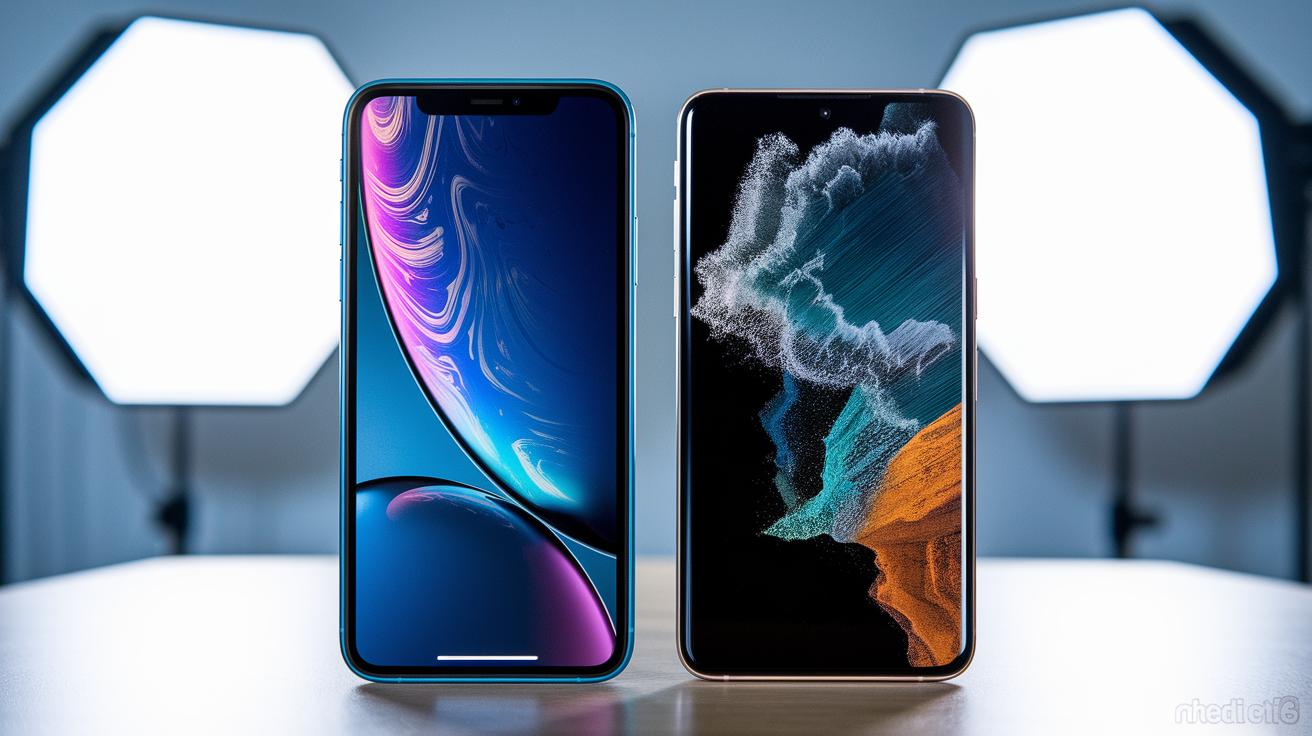
When you look at the two camera systems, you'll see they differ in sensor details and lens setups. The iPhone 17 models use a 48 MP main sensor with solid color tuning and built-in optical image stabilization. That means your photos stay steady and true-to-life even when you're moving around.
In contrast, the Samsung S25 Ultra has a 200 MP primary sensor. It offers up to 10× optical zoom and uses multi-frame image stacking (combining several shots to increase detail) to make your images sharp and full of detail.
In low light, both phones handle night mode in their own way. The iPhone sticks to precise color accuracy, so your photos look natural even when it's dark. Samsung goes for brighter images by using more aggressive noise reduction techniques. This might appeal if you like vivid colors, but if you prefer true-to-life tones, the iPhone might be better.
For video, both brands add smart features to improve your experience. The iPhone pairs its camera with a Super Retina XDR display that shows an accurate preview of your recordings. Samsung, meanwhile, supports HDR10+ video capture to bring extra detail into play. Both systems use stabilization tech to keep the video smooth during fast action.
Samsung vs iPhone Battery Life and Charging Speed Analysis
Samsung phones pack a big 5,000 mAh battery, which means more juice on a single charge. In real tests, these devices often last longer because of that higher capacity. iPhone Pros use a smaller 3,300 mAh battery, but thanks to smart hardware and software working together, they still hold up well. Even during long video streams, iPhones show strong endurance that builds trust in everyday use.
When you charge up, the speeds change. Samsung phones can handle up to 45 W charging, so they refill faster when plugged in. iPhones, however, max out at 27 W. Both brands offer around 15 W for wireless charging via Qi or MagSafe. This shows that fast charging comes with a balance, you get speed or you help keep your battery healthy over time.
Samsung vs iPhone Software Ecosystem and User Experience
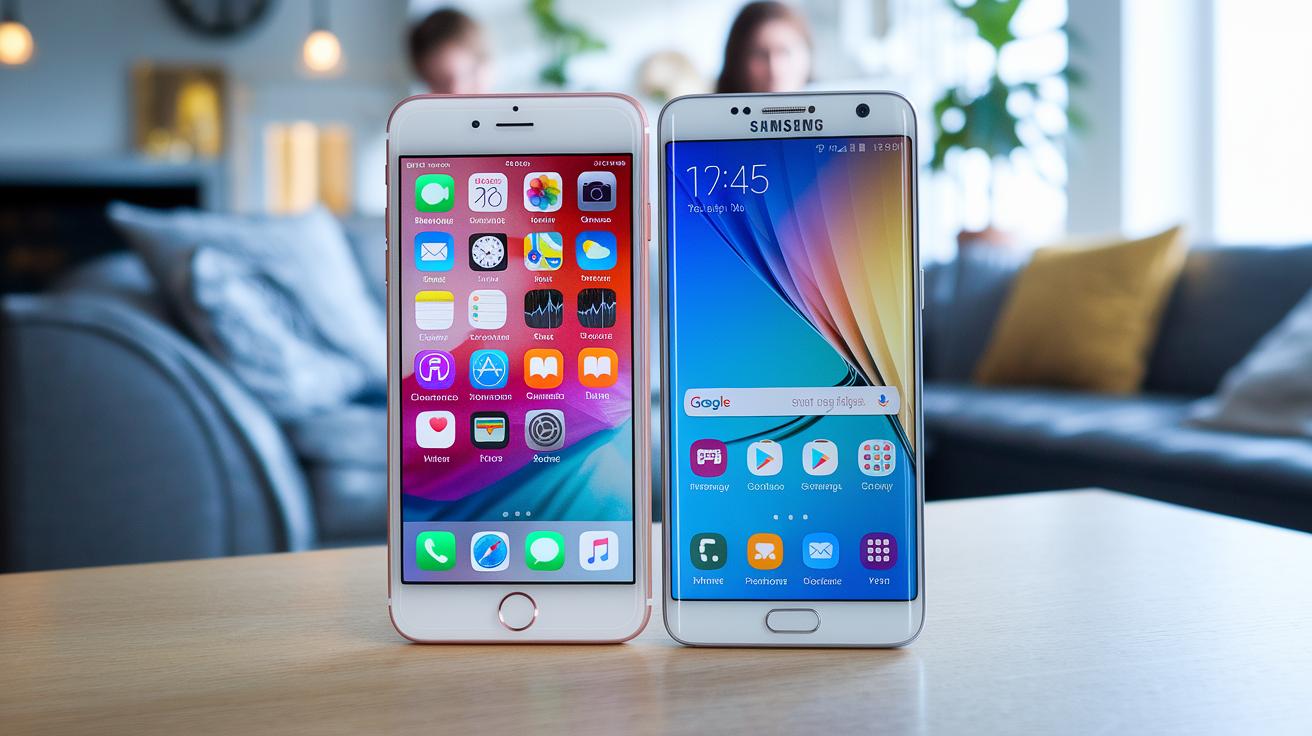
iOS gives you a simple, clean look that makes regular tasks feel effortless. You get a design that just works, with minimal fuss around the edges. In contrast, Samsung’s One UI lets you fine-tune your screen. If you like changing the look of your phone or having easy access to settings, One UI puts those options right where you can grab them.
The two platforms also build very different networks of gadgets. Apple ties your iPhone, iPad, Mac, Apple Watch, and AirPods together with smooth features like Continuity (which lets you switch between devices) and AirPlay (which streams from one device to another). Samsung, on the other hand, links its phones with the Galaxy Watch, Buds, SmartThings, DeX (a desktop-like setup), and PC Link. Plus, being on Android means you get more help from third-party apps. This mix makes it easy to keep all your devices in sync.
Apple packs a long-term software plan into its devices by delivering more than 6 years of major updates. Samsung’s One UI usually gets about 4 major OS updates and 5 years of security patches. While Apple focuses on a stable and straightforward approach, Android offers more tweaks for those who love to customize. In the end, how you value long-term updates or personal tweaks can help you choose which system fits your life best.
Samsung vs iPhone: Clear Choice for Excellence
Samsung and iPhone have different pricing styles. Apple’s phones start at $599 (with the entry-level iPhone 16e) and go up to $1,199 for the iPhone 17 Pro Max. Samsung’s range starts at $799 and can reach $1,299 for the Ultra models. Deals and promos often drop the price below the listed number, so you might pay less during special offers.
Apple can slash your cost by $200 to $500 through trade-ins, depending on your current phone. Samsung offers even deeper discounts, sometimes cutting the price by 20-30%. On top of that, carrier financing and bundled deals, like getting an S Pen included, help lower the upfront cost and boost the overall deal.
In terms of resale value, iPhones tend to keep about 60% of their price after one year, while Samsung devices hold roughly 45%. iPhones get new upgrades every year, putting fresh tech in your hands sooner. Samsung, however, updates its lineup every two models, which might suit buyers who prefer a longer cycle between upgrades.
Samsung vs iPhone Market Share Trends and Customer Satisfaction

In 2020, Apple earned $111.4 billion from smartphones, with iPhone sales accounting for $65.6 billion. By comparison, Samsung shipped 55.76 million units, securing a global market share of 20%. In the fourth quarter of 2020, Apple's numbers hit about 80 million units, while Samsung sold roughly 62.2 million, even though Apple’s overall share fell to 5.4%. Both brands clearly hold their own, each leading in different areas.
iPhone fans praise the device for its long life and smooth user experience, with over 90% keen to upgrade when the chance comes. Samsung users, on the other hand, love the sharp display and flexible hardware features, showing around 80% upgrade intent with their high-end models. Overall, customer feedback shows that both brands have strengths that help buyers decide based on what they value most.
Final Words
In the action, we compared design, display, performance, camera, battery, software, pricing, and market share details. Our side-by-side review broke down test results and real-world data to help you see where each device shines.
We clearly mapped out how samsung vs iphone counts up in everyday tasks. This test-driven recap aims to guide your choice and build confidence for your next tech pick. Happy shopping, and enjoy your new device!
FAQ
What do Samsung vs iPhone discussions on Reddit focus on?
Samsung vs iPhone discussions on Reddit focus on real user experiences, comparing design, camera quality, performance, security, and other everyday use factors.
How do Samsung vs iPhone cameras compare?
Samsung vs iPhone cameras compare by balancing sensor resolution, optical zoom options, low-light performance, and color accuracy, offering different strengths for photography enthusiasts.
How do Samsung vs iPhone storage options differ?
Samsung vs iPhone storage differences show Samsung providing expandable storage and larger capacities, while iPhone relies on fixed storage combined with tight software integration for optimal performance.
How do Samsung vs iPhone sales and market shares compare?
Samsung vs iPhone sales and market shares reveal that both brands lead in key markets, with iPhone excelling in ecosystem appeal and Samsung offering competitive hardware flexibility.
Which is more secure, Samsung or iPhone?
Samsung vs iPhone security comparisons highlight that iPhone benefits from a closed ecosystem and controlled app environment, while Samsung implements robust security features that vary with usage and region.
Does Samsung last longer than iPhone?
Samsung vs iPhone longevity discussions note that Samsung often features larger batteries and durable hardware, whereas iPhone’s integrated system design and longer software updates extend its effective lifetime.
Do rich people use Apple or Samsung?
Samsung vs iPhone usage trends suggest that many affluent buyers favor Apple for its premium design and ecosystem benefits, though Samsung’s versatile features also attract a diverse user base.
How do flagship models like Samsung Galaxy S25 Ultra and iPhone 17 compare?
Samsung Galaxy S25 Ultra vs iPhone 17 comparisons show differences in design, display technology, camera specs, battery capacity, and unique ecosystem benefits tailored to varied user preferences.
What is the deal with restored devices like the Apple iPhone 16 Pro Max or iPhone 15 Restored?
Restored devices such as the Apple iPhone 16 Pro Max or iPhone 15 Restored offer a cost-effective way to access high-end performance and design, backed by proper refurbishment standards ensuring reliability.
Which is considered the No. 1 World Mobile?
Discussions on the No. 1 World Mobile suggest that rankings depend on regional preferences and usage needs, with both Samsung and iPhone earning top positions in different markets due to their distinct advantages.