

Ever thought about turning your home into a smart home? Smart appliances work like a crew of little helpers that keep things running smoothly. They use tiny sensors and mini computers (small devices that process data) to check the temperature, sense movement, and even learn your daily routine. Imagine a thermostat that tweaks the heat exactly when you need it or an oven that starts warming up while you're busy in another room. This post shows you how these devices talk to each other, making everyday life a bit easier and your home friendlier.
How do smart appliances work: Brighten Home Life
Smart appliances use clever parts to make your home connected. They have sensors (small tools that check temperature, motion, or humidity) and mini-computers called microcontrollers that run simple tasks. For example, a smart thermostat watches the room temperature and adjusts the heat based on your schedule.
After gathering data, these devices use wireless methods like Wi-Fi, Bluetooth LE, or Zigbee (a way to send data over short distances) to talk to cloud services. This lets you control your home from anywhere. You can start your smart oven from another room or get a message if your fridge gets too cold. Some appliances even use machine learning (software that learns from data) to remind you when a filter change is needed.
Smart appliances also work well with other home systems. When you start a movie on your smart TV, your lights and air conditioning might change automatically. Even though they run on autopilot, you can always step in with manual controls. This mix of automation and personal control keeps your home bright and easy to manage.
Key Components Behind Smart Appliance Function
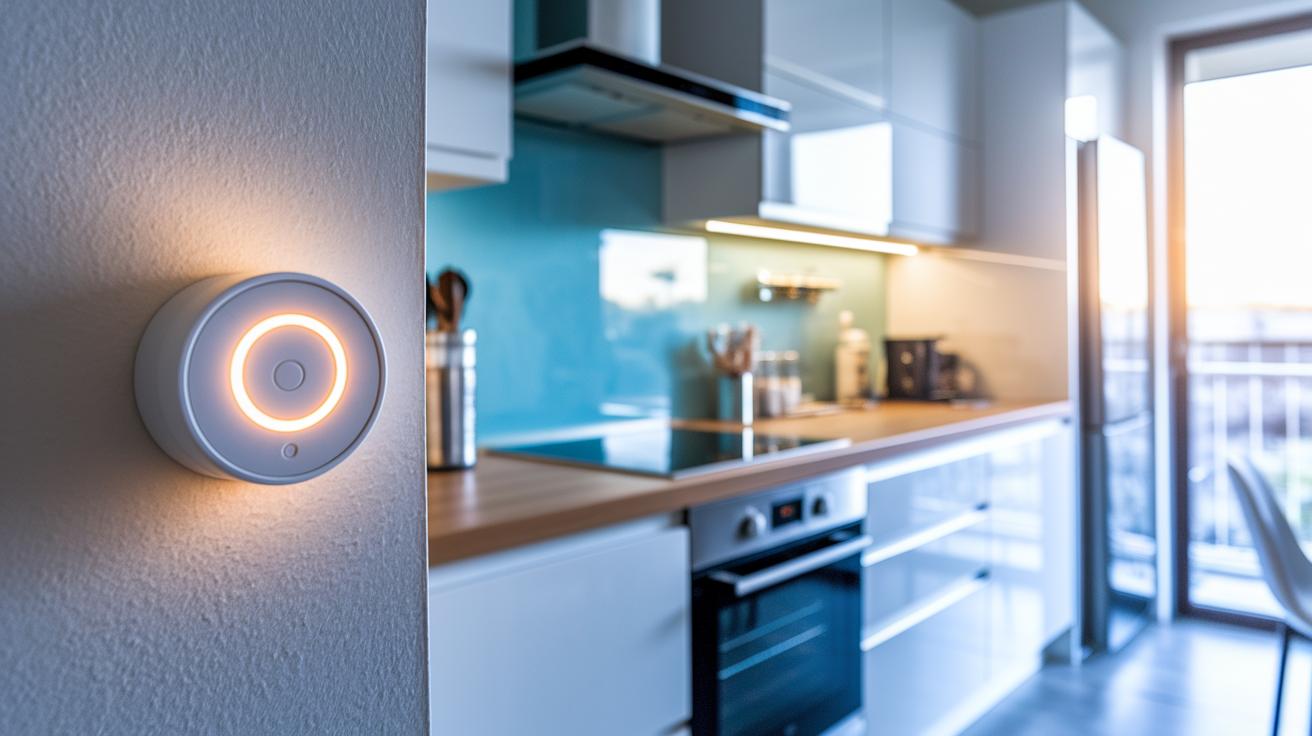
Smart appliances use a range of sensors to gather real-time data from your home. For example, a smart oven uses a temperature sensor to check heat, and a security system might include a motion sensor (PIR, which stands for passive infrared) to spot movement. These sensors measure things like temperature, humidity, motion (PIR), pressure, and weight or load.
Each sensor sends its data straight to a microcontroller, a small computer built for one job. The microcontroller runs firmware (custom software on the device) that checks the system and handles simple control tasks. This firmware even runs control algorithms, which are just sets of rules to decide what the appliance should do next.
A lightweight operating system links all the sensor data to the actions the device takes. It manages the flow of information so that commands, like changing cooking time or switching cleaning modes, run smoothly. Users can also set custom automation rules. With these smart sensors, the appliance can monitor conditions more accurately and fix issues as they come up. This careful mix of hardware and software makes smart appliances reliable helpers in your everyday home tasks.
Wireless Connectivity and Communication Protocols in Smart Appliances
Smart appliances need a steady wireless connection to share data with routers, hubs, and the cloud. They use different communication methods to balance range, speed, and energy use.
Wi-Fi is great for fast data transfer over 2.4 or 5 GHz bands. It works well with cloud services and covers distances from 10 to 100 meters, but it uses more power.
Bluetooth Low Energy runs on 2.4 GHz too. It is made for short-range use, about 10 meters, and works with mobile apps while keeping power use low.
Zigbee also uses the 2.4 GHz band and supports a mesh network. This lets devices pass on data to each other over areas from 10 to 100 meters, again with low power needs.
Z-Wave works at 900 MHz and covers distances from 30 to 100 meters. It is popular in home automation because it combines a reliable connection with low energy use.
Some devices also use proprietary standards. New efforts like Matter help different brands work better together. Think of it like picking the right tool from a toolbox, each protocol has a unique role in keeping your smart devices connected and energy efficient.
| Protocol | Frequency | Range | Power Consumption | Typical Use |
|---|---|---|---|---|
| Wi-Fi | 2.4/5 GHz | 10–100 m | High | Cloud connectivity |
| Bluetooth LE | 2.4 GHz | ~10 m | Low | Mobile app control |
| Zigbee | 2.4 GHz | 10–100 m | Low | Mesh networking |
| Z-Wave | 900 MHz | 30–100 m | Low | Home automation |
Integrating Smart Appliances into Home Automation Systems

Smart devices join your home system by using hubs, bridges, or even direct cloud links. They work with places you already know like Apple HomeKit, Google Home, and Amazon Alexa so you can control them all from one spot. New standards like Matter help different brands talk to each other. This means your oven, thermostat, or alarm system can work in sync with your lights and speakers, no matter who made them. Data flows smoothly through the network, which makes setup and remote troubleshooting a breeze.
Voice Assistant and Hub Integration
Voice helpers like Alexa and Google Assistant, paired with smart hubs, bring all your devices together. You simply say, "turn off the lights," and the command spreads to every compatible device. This setup lets you manage several gadgets with just a few words. It also makes checking data and setting timers easier.
Mobile App and API Integration
Your phone apps and APIs (tools that let devices share data) are key to keeping everything connected. With a mobile app, you can control your devices, create custom routines, and see real-time updates. APIs let your appliances talk to each other, so you can build routines that fit your life. This tight control makes adjustments and remote management smooth and easy for a smarter home.
Automation, Remote Management, and Control of Smart Appliances
Smart appliances come with basic features you can control from a distance. They work with a mobile app, voice commands, or scheduled settings. This means you can kick off your oven using your phone or ask your smart speaker to tweak your thermostat.
New advances let these devices adjust on the fly. Some systems now use geofencing (which detects your phone's location) to change settings as you near home. They also use real-time weather updates or your regular habits to keep things running just right.
For example, one homeowner linked their smart oven with a mobile app and voice assistant. When the phone reconnected to the home network, the oven began preheating. Later, a schedule change alert led to a manual override. This case shows how both basic control and smart automation work together seamlessly.
Data Processing and Machine Learning in Smart Appliance Optimization

Smart thermostats and fridges use built-in learning to pick up your daily habits. They notice when you change the temperature or adjust the settings. This on-device learning lets them make smart choices for you without you having to do it every time. For example, your thermostat might learn that you turn down the heat when you leave for work and do it automatically to save energy.
These devices also send lots of data to online services that dive deep into the numbers. They study trends in energy use and performance across many homes to find useful patterns. This information helps the system fine-tune your appliance so it always runs at its best.
Real-time feedback is a big part of the process too. A smart fridge, for instance, might instantly tweak its cooling if it senses a sudden change in room temperature. This quick feedback loop keeps your space comfortable, saves energy, and even alerts you when it’s time for small fixes like changing a filter.
All these smart features, on-device learning, cloud analytics, and real-time feedback, work together to deliver steady performance and help your appliances last longer.
Energy Management and Sustainability in Smart Appliances
Smart fridges and thermostats watch your energy use as it happens. They change how they run to use less energy. For example, a thermostat may lower heat when fewer people need it. This can help lower your bills.
These appliances also talk to the smart grid. When the grid is busy, they ease off on power. This helps balance energy use in your area.
They also cut down on power when idle. By switching circuits to low-power modes, they save energy and last longer. Their design focuses on both smooth performance and energy savings.
In short, smart appliances check their own energy use and adjust on the go. This hands-on approach helps you save money while taking a step toward a greener future.
Security, Privacy, and Maintenance for Smart Appliances

Smart appliances handle sensitive info. That’s why they must follow strict security rules. They use AES encryption (a way to scramble your data) and mutual authentication (both sides check each other) to keep your data safe. They also run regular firmware updates and built-in diagnostics to fix weak spots fast. For example, a smart fridge might let you know when it needs an update to block any security gaps.
Network safety is just as important. Unprotected channels can leak your information. Many smart devices watch their networks for odd activity and shut down risky connections on their own. This proactive step helps you feel secure.
Maintenance is key too. Sensors in your appliance spot unusual patterns and send alerts. Picture your washing machine warning you about a clogged filter. This early alert not only points out the problem but also suggests what to do.
Here’s a simple maintenance checklist:
| Step | Description |
|---|---|
| Firmware updates | Keep the device software current |
| Maintenance alerts | Notify you when something’s off |
| Self-checks | Run tests to catch issues early |
Following the needed rules and standards keeps your smart appliances secure on your home network. In short, solid security measures and smart maintenance alerts work together to protect your privacy and ensure your devices run smoothly.
Final Words
In the action, we broke down the core principles and components behind smart appliance operation. We covered everything from built-in sensors and microcontrollers to wireless connectivity and seamless home integration. We explained how apps and voice commands make remote management easy, and how data processing and machine learning boost performance and energy efficiency.
Our review shows exactly how do smart appliances work, offering a clear picture for streamlined, smart home setups. Enjoy upgrading your home with confidence.
FAQ
How do smart appliances work?
The explanation for how smart appliances work is that they use sensors, microcontrollers, and wireless modules to gather real-time data, process it locally, and send it to the cloud, enabling remote automation and device management.
What are smart appliances?
The definition of smart appliances is connected home devices equipped with sensors and controllers that use wireless networks for remote monitoring, automation, and energy management, enhancing convenience and efficiency at home.
How do smart devices collect and transfer data?
The process for smart devices collecting and transferring data involves sensors detecting environmental metrics, embedded processors handling the data, and wireless protocols like Wi-Fi or Bluetooth transmitting it to cloud services for analysis and control.
What are some examples of smart appliances and smart home appliances?
The examples of smart appliances include smart refrigerators, thermostats, washing machines, and lighting systems that connect to home networks, allowing users to control and automate their functions via apps or voice commands.
What advantages and disadvantages do smart home appliances offer?
The overview of smart home advantages and disadvantages is that these devices offer remote control, energy efficiency, and automation, but they also present challenges such as potential privacy issues, dependence on internet connectivity, and maintenance requirements.
Can smart devices work without the internet?
The answer to whether smart devices can work without the internet is that they usually rely on cloud connectivity for full functionality, but many also support local control or manual overrides to operate in limited capacity without continuous internet access.
What do smart appliances do?
The summary of what smart appliances do is that they monitor conditions, adjust settings automatically, send maintenance alerts, and integrate with home automation systems, all of which improve energy efficiency and user convenience.